Is Shockwave Therapy Painful or Safe? What Patients in Marbella and Mijas Should Know

In This Article
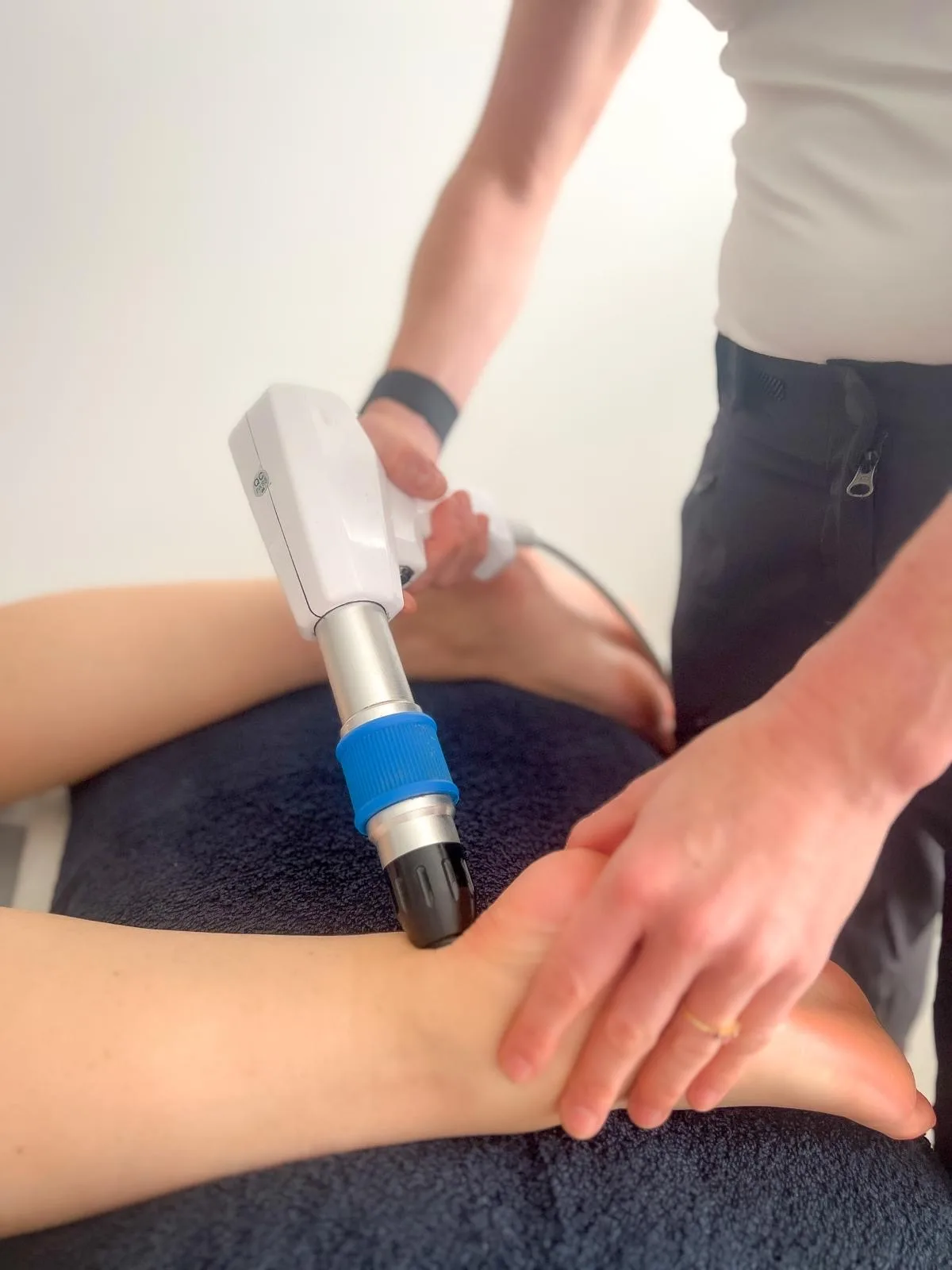
If you are considering shockwave therapy, one of the first questions on your mind is likely whether it hurts and whether it is safe. That is completely understandable. This guide explains exactly what the treatment feels like, what to expect afterwards, and how safe it is when applied correctly, so you can make an informed decision before booking.
Is Shockwave Therapy Painful?
Shockwave therapy can be uncomfortable, but it is not typically described as unbearable. Most patients find the sensation manageable, particularly once they know what to expect.
What Does It Feel Like During Treatment?
- You will feel a series of rapid pulses applied to the affected area
- The sensation is often described as deep and intense rather than sharp
- The intensity can be adjusted to stay within your tolerance
Areas that are more sensitive or inflamed may feel more uncomfortable, particularly during the first session. As treatment progresses, most patients find the discomfort reduces.
Quick Tip: Let your practitioner know if the intensity feels too strong. The settings can be adjusted during the session to keep you comfortable while still achieving a therapeutic effect.
Does the Pain Get Worse After Treatment?
It is common to experience mild soreness after a session. This is a normal part of the healing response being stimulated, not a sign that something has gone wrong.
Typical Post-Treatment Response
- Slight increase in sensitivity in the treated area
- Mild aching for 24 to 48 hours
- Gradual settling without the need for intervention
For most patients, this settles on its own within a couple of days. As the course of treatment continues, the area typically becomes less sensitive and overall pain levels begin to improve.
Is Shockwave Therapy Safe?
Shockwave therapy is a well-established treatment with a strong safety record when used appropriately. It has been widely used in musculoskeletal care for many years, particularly for chronic tendon conditions.
Possible Side Effects
Most side effects are mild and short-lived. These may include:
- Temporary soreness in the treated area
- Redness or slight swelling
These effects typically settle within a couple of days and do not require treatment.
Are There Any Risks?
Serious complications are rare. However, shockwave therapy may not be suitable in certain situations, including:
- Acute injuries
- Certain medical conditions
- Areas with significant structural damage
This is why a proper assessment is important before starting treatment. One of our practi will review your history and presentation to confirm whether shockwave therapy is appropriate for you.
Can Shockwave Therapy Cause Damage?
When applied correctly, shockwave therapy does not damage healthy tissue. The aim is to stimulate the body’s natural healing response, not to create further injury. Using appropriate settings and sound clinical reasoning is key to ensuring treatment is both safe and effective.
Quick Tip: Always ensure your shockwave therapy is carried out by a qualified clinician who has assessed your condition first. Correct diagnosis and appropriate application are what make the treatment safe.
What Should You Do After a Session?
After treatment, you are generally advised to:
- Stay active but avoid overloading the treated area
- Follow any rehabilitation guidance provided by your clinician
- Avoid sudden increases in training intensity
In most cases, you can continue normal daily activities with only minor adjustments. There is no significant downtime associated with shockwave therapy.
Shockwave Therapy in Marbella and Mijas: Safe When Applied Correctly
If you are considering shockwave therapy in Marbella or Mijas, safety depends on more than just the equipment being used. Effective treatment requires a clear diagnosis, appropriate intensity and application, and ongoing monitoring of your response throughout the course.
Shockwave therapy is a safe and well-supported option for many musculoskeletal conditions - provided it is used in the right context and for the right patient.
If you are unsure whether it is suitable for you, the best starting point is a proper assessment. This will clarify whether you are a good candidate, what level of discomfort to expect, and how treatment will be tailored to your specific condition.
Frequently Asked Questions
Is shockwave therapy very painful?
It can be uncomfortable, but the intensity is adjustable. Most patients tolerate it well, and any discomfort is short-lived and manageable.
How long does pain last after shockwave therapy?
Mild soreness may last 24 to 48 hours after a session. This is a normal response and usually settles on its own without any intervention.
Is shockwave therapy safe for everyone?
It is safe for most people, but not suitable in all cases. A proper clinical assessment is needed to confirm whether it is appropriate for your specific condition.
Can shockwave therapy make my condition worse?
This is unlikely when treatment is applied correctly. Temporary soreness after a session is normal, but a worsening of the underlying condition is not a typical outcome.
Is there any downtime after treatment?
There is usually no significant downtime. Most patients continue their normal daily activities with only minor adjustments if needed.
Are there any long-term side effects?
Long-term side effects are very rare. Shockwave therapy is considered a low-risk treatment when used appropriately by a qualified clinician.
Should I be worried about trying shockwave therapy?
For most patients, there is no need for concern. Knowing what to expect and having a thorough assessment beforehand helps ensure a safe and effective experience.