Looking for a Physio Near Me? What to Check Before You Book

In This Article
If you are searching for a “physio near me”, you probably want relief from pain and help getting back to normal life as safely and quickly as possible. Choosing the nearest clinic is not always the best option. It is worth taking a little time to find a physiotherapist with the right experience, approach and facilities for your needs. This guide explains what to look for so you can book with confidence.
Why people search for a physio near me
Most people start looking for a physiotherapist when pain or stiffness begins to interfere with everyday activities, work, sport or sleep. At Costa Health, common problems we see in clinic include:
- Back pain
- Neck pain
- Shoulder injuries and stiffness
- Sports injuries
- Knee pain
- Hip pain
- Sciatica and leg pain
- Arthritis-related pain and stiffness
- Post-operative rehabilitation
- Running injuries
- Balance or mobility problems
Many people wait weeks or months before seeking help, hoping the issue will settle on its own. While some minor aches do improve, more persistent pain can gradually become harder to treat if the underlying cause is not addressed.
Quick Tip: If pain has not improved after 2 to 3 weeks, keeps returning, or is stopping you from walking, sleeping or exercising, it is sensible to arrange a professional assessment rather than waiting longer.
What does a physiotherapist actually do?
A physiotherapist is trained to assess, diagnose and treat problems affecting movement, muscles, joints, nerves and overall physical function. In the UK and across Europe, physiotherapists work to evidence-based standards and use a range of approaches to support recovery.
Treatment may include:
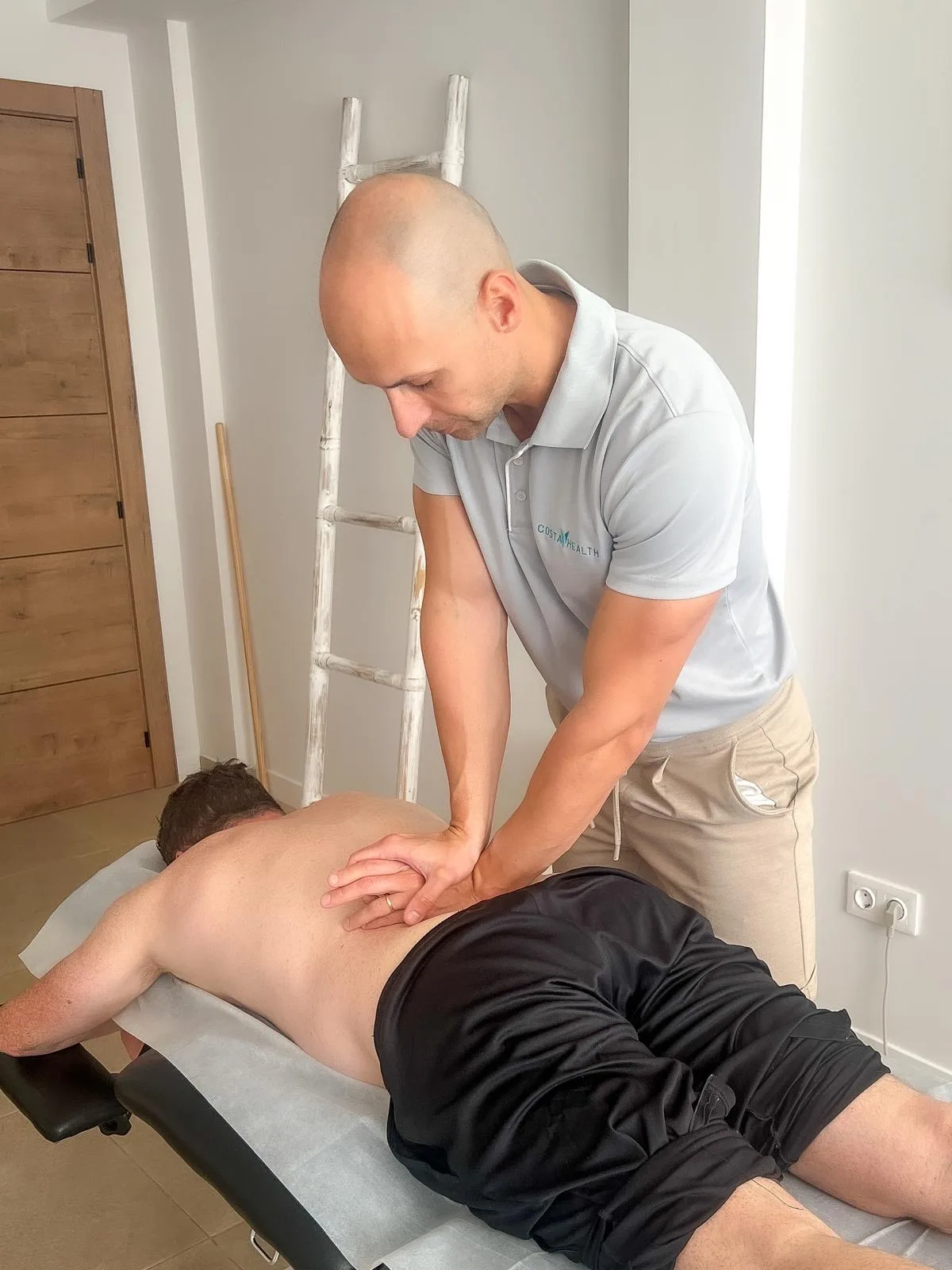
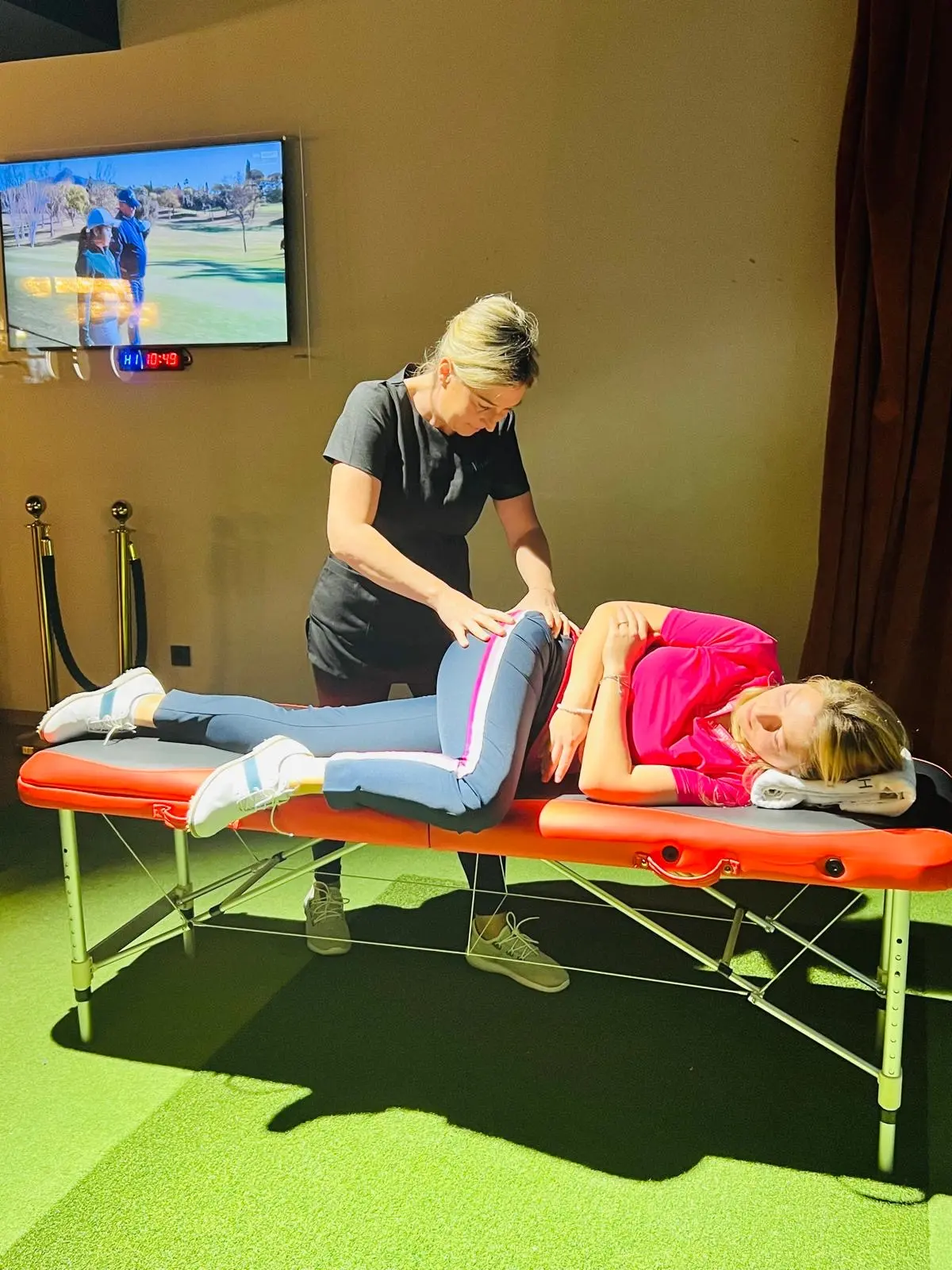
- Hands-on therapy such as joint mobilisation and soft tissue techniques
- Exercise rehabilitation to rebuild strength, control and flexibility
- Strength and conditioning programmes tailored to your level
- Mobility work to improve joint range of movement
- Injury prevention strategies and load management advice
- Posture and movement assessment for everyday tasks and sport
- Sports rehabilitation and graded return-to-play plans
The aim is not only to reduce pain but to restore function, improve confidence in movement and reduce the risk of the problem returning.
How to choose the right physiotherapist
When you search for a physiotherapist near you, it can be tempting to pick the closest option. Location matters, but other factors often make a bigger difference to your recovery.
Relevant experience
Ask whether the physiotherapist regularly treats your type of problem. Someone who frequently manages back pain, running injuries or post-operative rehabilitation is more likely to recognise common patterns and tailor treatment effectively.
Comprehensive assessment
A thorough assessment should look beyond where it hurts. Your physiotherapist will usually ask about your symptoms, medical history, work, sport and lifestyle, then carry out movement and strength tests. The aim is to identify the likely cause of the issue, not only to treat the painful area.
Personalised treatment plan
Every person and every injury is different. A good plan will be tailored to your goals, whether that is walking without pain, lifting your children, playing golf or returning to competitive sport. You should understand what will happen in each phase of treatment and what you can do at home between sessions.
Rehabilitation and active care
Hands-on treatment can be very helpful, but long-term results usually come from combining it with a structured rehabilitation programme. This might include specific exercises, graded activity, and advice on pacing and load management.
Patient reviews and communication
Reviews can give a sense of other patients’ experiences, including how well the physiotherapist explains things and whether people feel listened to. During your own sessions, you should feel comfortable asking questions and able to discuss any concerns openly.
Quick Tip: Before booking, check whether the clinic offers an initial assessment long enough to take a full history and perform a proper examination. This first appointment sets the foundation for effective treatment.
Physiotherapy for sports injuries
Sports injuries are one of the most frequent reasons people search for a sports physio near them, especially along the Costa del Sol where many residents stay active all year.
Whether you enjoy running, golf, padel, cycling, gym training or fitness classes, physiotherapy can help manage problems such as:
- Muscle strains
- Ligament injuries, including ankle sprains
- Tendon pain, such as Achilles or patellar tendinopathy
- Shoulder pain linked to racquet sports or the gym
- Knee injuries, including overuse and impact-related issues
- Lower back pain linked to sport or training loads
Early assessment often helps you return to activity more safely by reducing the risk of compensations, ongoing pain or repeated injury. Treatment typically combines pain management, progressive loading, movement retraining and a clear return-to-sport plan.
Physiotherapy for back and neck pain
Back and neck pain are among the most common reasons for physiotherapy appointments, particularly for people who sit for long periods, work at a computer or drive regularly.
Physiotherapy may help to:
- Reduce pain and muscle tension
- Improve movement and flexibility
- Restore spinal and core strength
- Improve posture and ergonomics
- Reduce stiffness, especially in the morning or after sitting
- Lower the chance of pain flaring up again
Rather than only trying to numb the pain, physiotherapists look at the factors that may be contributing, such as reduced strength, prolonged sitting, stress, previous injuries or changes in activity levels. Treatment is then directed at these underlying issues where possible.
Physiotherapy for long-term health and healthy ageing
Physiotherapy is not only for new injuries. Many people benefit from physiotherapy support to stay active, independent and confident in their movement as they get older.
Ongoing or preventative physiotherapy can help with:
- Maintaining and improving mobility
- Building strength for daily tasks and hobbies
- Improving balance to reduce falls risk
- Supporting physical performance in sport and exercise
- Recovery after illness, surgery or periods of reduced activity
- Managing long-term conditions such as arthritis
For many patients at Costa Health, small, consistent changes in strength and mobility make a noticeable difference to walking, climbing stairs, playing with grandchildren or continuing favourite sports into later life.
Looking for a physiotherapist in Marbella or Mijas?
Costa Health is a multidisciplinary clinic supporting patients from across Marbella, Mijas and the wider Costa del Sol. Our physiotherapy team provides evidence-based assessment, treatment and rehabilitation in a calm, friendly setting.
Whether you are recovering from a recent injury, managing ongoing back or neck pain, or simply want to move better and stay active, we can help create a personalised plan that fits your goals and lifestyle. Physiotherapy can be combined with chiropractic care, sports massage and other services within the clinic where appropriate.
If you have been searching for a “physio near me” and feel unsure where to start, an initial assessment is a good first step. You will have time to discuss your concerns, be examined properly and receive clear advice on your options.
To arrange a physiotherapy assessment at Costa Health in Riviera del Sol, Mijas, contact our reception team and we will be happy to help you book a suitable time.
Frequently Asked Questions
How soon should I see a physio after an injury?
For most minor sports or soft tissue injuries, it is sensible to see a physiotherapist within the first 7 to 10 days, or sooner if you are concerned. Very recent injuries may need a short period of relative rest, ice and elevation. If pain is severe, you cannot put weight on the limb, or you suspect a fracture, seek urgent medical or hospital care first.
Do I need a referral from my GP to see a physiotherapist?
In most private clinics, including on the Costa del Sol, you can book directly with a physiotherapist without a GP referral. However, if your physiotherapist is concerned about any underlying medical issue, they may advise you to see your GP or a specialist for further investigation.
How many physiotherapy sessions will I need?
The number of sessions varies depending on the problem, how long you have had it, your general health and how consistently you can follow your exercise plan. Some people feel noticeable improvement after a few sessions, while more complex or long-standing issues may need a longer period of rehabilitation. Your physiotherapist should review progress with you and adjust the plan as you go.
Will physiotherapy exercises make my pain worse?
Your exercises should be challenging but manageable. Mild, short-lived discomfort can be normal when you start moving an area that has been painful or stiff. However, sharp pain, significant swelling or pain that lingers or worsens after exercise is a sign to reduce or modify what you are doing and to discuss this with your physiotherapist.
What should I wear to a physiotherapy appointment?
Wear comfortable clothing that allows you to move easily and gives access to the area being assessed. For example, shorts for knee or hip problems, or a loose top or sports bra for shoulder or upper back issues. Trainers or supportive footwear are helpful if your walking or running style will be assessed.