Physiotherapy in Marbella: Move Better, Recover Safely, Live With Less Pain

In This Article
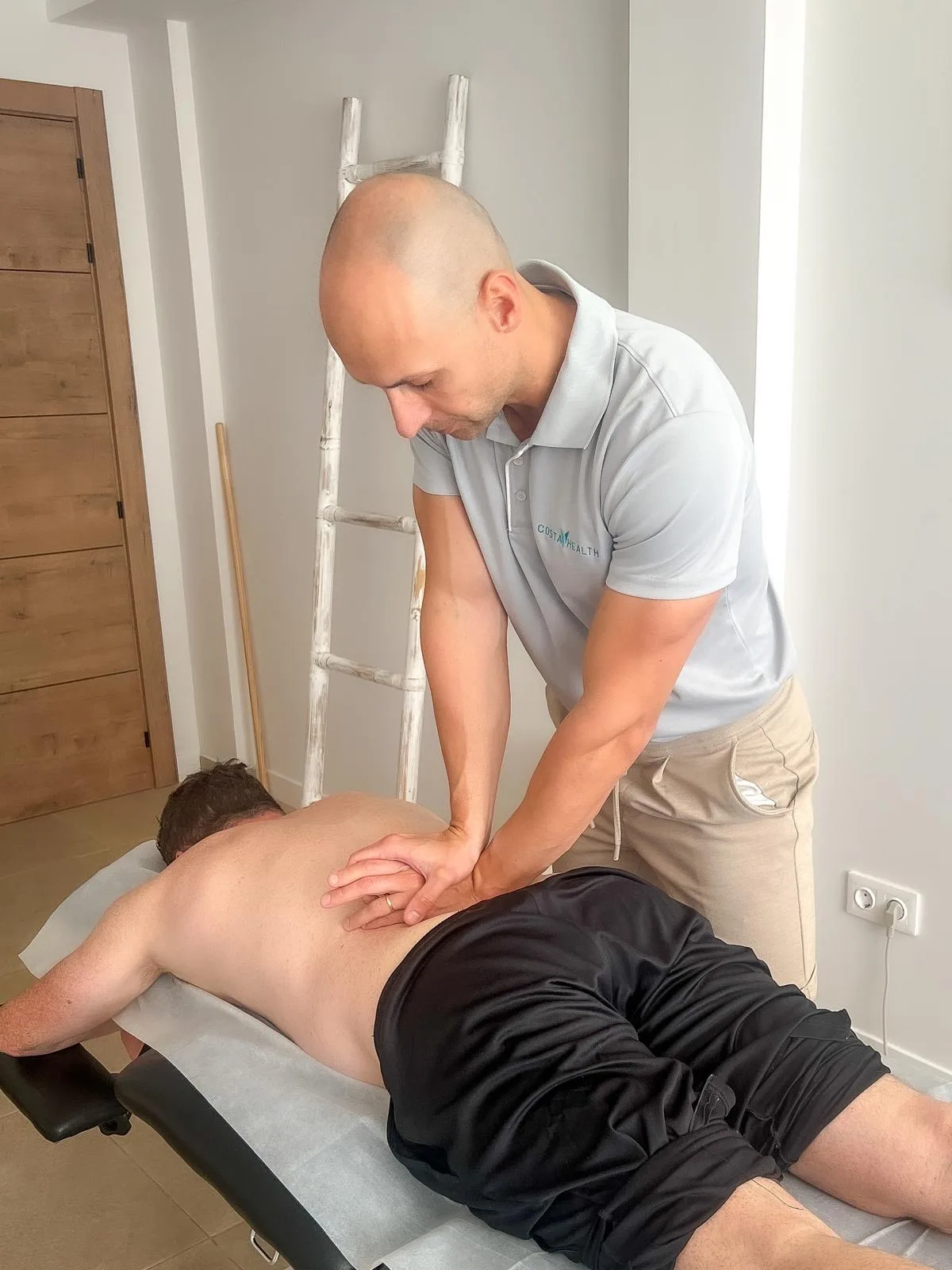
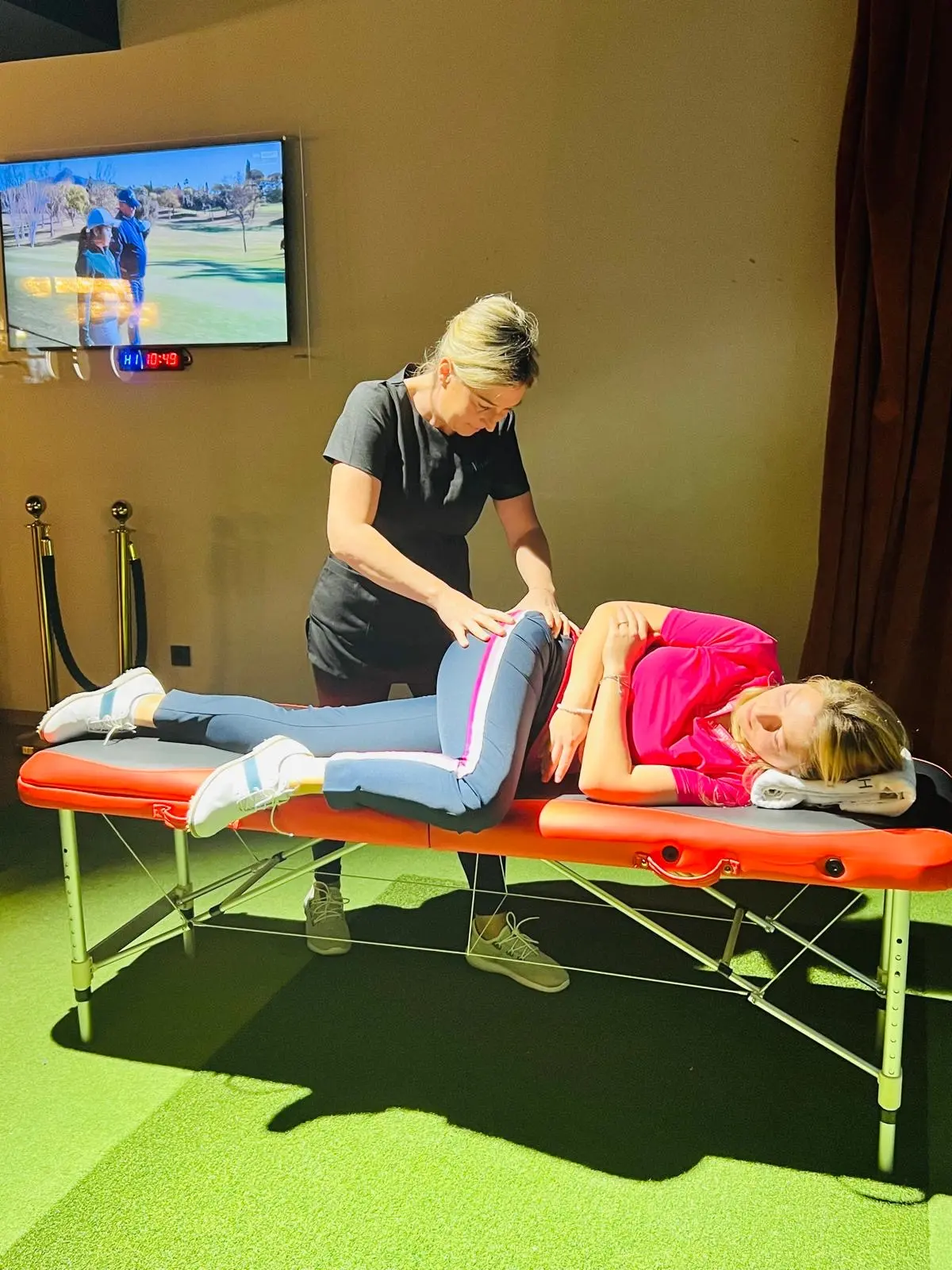
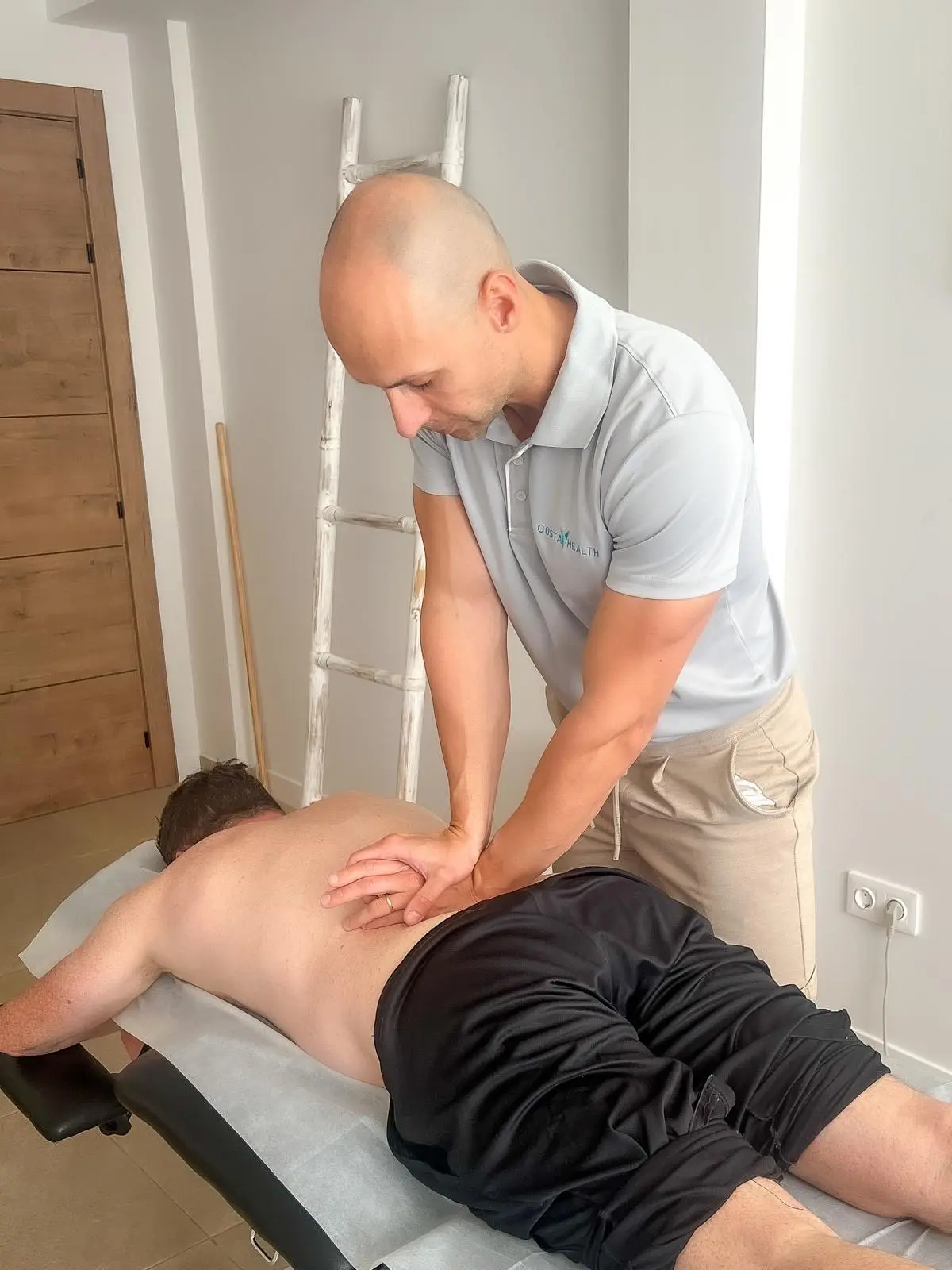
Physiotherapy in Marbella can help you ease pain, move more freely, and return more safely to the activities you enjoy. Through careful assessment, hands on treatment, and tailored exercise, physiotherapists support recovery from injury and help manage ongoing conditions. Whether you are active, retired, or somewhere in between, physiotherapy can play a key role in staying well on the Costa del Sol.
What Is Physiotherapy?
Physiotherapy is a healthcare profession focused on restoring movement, reducing pain, and improving physical function. It combines detailed assessment, hands on treatment, therapeutic exercise, education, and rehabilitation strategies to address a wide range of musculoskeletal, neurological, and sports related conditions.
Modern physiotherapy is guided by evidence based practice, bringing together current research, clinical experience, and patient centred care. Research supports physiotherapy interventions such as structured exercise, clear patient education, and appropriate manual therapy as effective first line treatments for many common musculoskeletal problems.
Why Physiotherapy Matters in Marbella
Many people assume physiotherapy is necessary only after surgery or a serious injury. In reality, it can support people at all stages of life, from active professionals and keen golfers to retirees wanting to stay independent.
Common benefits reported by patients include:
- Reduced pain and discomfort
- Improved mobility and flexibility
- Faster, safer recovery from injury
- Better posture and more efficient movement patterns
- Enhanced athletic performance and recovery
- Reduced risk of future injuries
- Improved balance and coordination
- Greater independence and quality of life
Clinical studies have shown meaningful improvements in pain levels, walking ability, strength, and daily function following well planned physiotherapy programmes.
Quick Tip: If aches or stiffness have lasted longer than two weeks or keep returning, an early physiotherapy assessment can often prevent a minor problem from becoming a long term issue.
Common Conditions Treated by Physiotherapists in Marbella
Back and neck pain
Back and neck pain are among the most frequent reasons people seek physiotherapy in Marbella. Prolonged sitting, working from home without a proper desk set up, repetitive movements, sports, or age related changes can all contribute.
A physiotherapist will assess how you move, which structures are irritated, and what may be driving your symptoms. Treatment may include:
- Manual therapy and soft tissue techniques
- Targeted exercise programmes to build strength and mobility
- Postural correction and movement retraining
- Advice on activity levels, pacing, and ergonomics
- Education on self management and preventing recurrence
Sports injuries
Marbella attracts golfers, tennis and paddle players, cyclists, runners, and water sports enthusiasts all year round. With such an active lifestyle, strains, sprains, tendon pain, and overuse injuries are common.
A physiotherapist can:
- Assess the injury and any contributing movement patterns
- Help settle pain and swelling in the early stages
- Guide a gradual, structured rehabilitation plan
- Advise when and how to return safely to training and competition
- Identify weaknesses or technique issues that may increase re injury risk
Shoulder problems
Shoulder pain is often linked with rotator cuff irritation or tears, impingement, joint stiffness, instability, or postural issues from desk work. It can make everyday tasks such as dressing, lifting, or reaching overhead very uncomfortable.
Physiotherapy for shoulder problems usually focuses on:
- Restoring comfortable range of movement
- Improving strength and control of the shoulder and shoulder blade muscles
- Reducing irritation of inflamed or overloaded tissues
- Adapting activities temporarily to allow healing
Knee pain
Conditions such as osteoarthritis, meniscal injuries, patellofemoral (kneecap) pain, and ligament injuries are frequently seen in clinic. Many respond well to a structured rehabilitation plan.
Typical physiotherapy management may include:
- Strengthening the muscles around the hip, knee, and ankle
- Improving joint mobility where stiffness is present
- Balance and control exercises
- Guidance on pacing walking, sport, and daily activities
- Advice on footwear and practical changes to reduce strain
Post surgical rehabilitation
After orthopaedic operations such as knee or hip replacement, ligament reconstruction, or shoulder surgery, physiotherapy is often recommended to help restore confidence and function.
Rehabilitation normally progresses in stages and may involve:
- Gentle early exercises to protect the operation site while preventing stiffness
- Gradual strengthening of the surrounding muscles
- Gait retraining and balance work
- Guidance on returning to driving, work, and sport at appropriate times
Age related mobility challenges
For older adults living in Marbella, staying steady on your feet and maintaining independence is often a priority. Physiotherapy can help improve balance, reduce fall risk, and build strength through tailored exercise programmes that take medical history and confidence levels into account.
Physiotherapy and Active Living in Marbella
Marbella’s climate encourages an active outdoor lifestyle, from golf and hiking to swimming and fitness training. Physiotherapy supports this by both treating injuries and helping to prevent them.
Movement assessments, strength testing, and personalised exercise plans can highlight weaknesses, stiffness, or imbalances that might limit performance or increase the risk of injury in sports such as golf, tennis, paddle tennis, and running.
For active individuals and athletes, regular check ins with a physiotherapist can help with:
- Improved movement efficiency and technique
- Better flexibility and strength where it really matters for your sport
- Recovery strategies, including pacing training loads and planning rest
- Managing minor niggles before they interrupt training or competition
Quick Tip: If you are increasing your training before a tournament, race, or active holiday, build up gradually over several weeks. A physiotherapist can help you plan this and reduce the chance of overload injuries.
What To Expect During a Physiotherapy Appointment
A typical physiotherapy session begins with a thorough discussion about your symptoms, medical history, lifestyle, and goals. This is followed by a physical examination, which may include assessing how you move, testing muscle strength, flexibility, balance, and specific joint or nerve tests where needed.
Based on the findings, your physiotherapist will explain what they believe is contributing to your symptoms and agree a personalised treatment plan with you. This may include:
- Hands on therapy to reduce pain and improve movement
- Soft tissue techniques for tight or overworked muscles
- Joint mobilisation where stiffness is limiting function
- Exercise prescription tailored to your condition and fitness level
- Rehabilitation programmes to guide your progress between sessions
- Movement and posture education for daily life and work
- Injury prevention and lifestyle advice
The aim is not only to ease symptoms but to address the likely underlying causes and give you tools to manage your condition confidently in the longer term.
Choosing the Right Physiotherapist in Marbella
When selecting a physiotherapist, it can be helpful to consider:
- Qualifications and registration - check they are appropriately qualified and registered to practise.
- Experience - particularly in managing the type of problem or sport that is relevant to you.
- Treatment approach - many people benefit from a combination of hands on treatment and active exercise based rehabilitation.
- Communication style - you should feel listened to, involved in decisions, and clear about your plan.
- Evidence based care - look for clinicians who use up to date research, clinical expertise, and your preferences to guide treatment.
A good physiotherapist will take time to understand what matters most to you, explain things in straightforward language, and work collaboratively with you throughout your rehabilitation.
Physiotherapy in Marbella: Supporting Your Wellbeing
Whether you are recovering from an injury, managing longer term pain, preparing for a sporting event, or simply aiming to stay active and independent, physiotherapy can play a valuable role in your overall wellbeing.
In a vibrant, active area like Marbella and the wider Costa del Sol, looking after your movement and physical health helps you make the most of outdoor living. With expert assessment, personalised treatment, and evidence based rehabilitation, physiotherapy can support you to move more comfortably, feel stronger, and approach daily activities with greater confidence.
Frequently Asked Questions
Do I need a referral to see a physiotherapist in Marbella?
In many private clinics you can book directly with a physiotherapist without a referral. However, if you have complex medical conditions, recent surgery, or are using health insurance, your insurer or doctor may recommend or require a referral first. It is sensible to bring any relevant medical reports or imaging results to your first appointment.
How many physiotherapy sessions will I need?
The number of sessions varies depending on the condition, how long you have had symptoms, your general health, and your goals. Some straightforward problems improve noticeably within a few sessions when exercises are followed consistently. More complex or long standing issues, post surgical cases, or sports performance programmes may require a longer period of guided rehabilitation. Your physiotherapist should give you a clear plan and review it with you regularly.
Is physiotherapy painful?
Physiotherapy should not be excessively painful. Some techniques and exercises can feel challenging, and you might experience temporary soreness as you start to move differently or work previously weak muscles. Your physiotherapist will always aim to keep discomfort within a manageable range and adjust treatment if pain feels sharp, severe, or does not settle shortly after a session.
Can physiotherapy help with long term or chronic pain?
Yes, physiotherapy can be helpful for many people with long term pain conditions, although it is rarely a quick fix. A physiotherapist can support you with pacing strategies, graded exercise, and education about pain, alongside manual techniques where appropriate. The focus is often on improving your function, confidence, and quality of life rather than removing all pain immediately.
What should I wear to a physiotherapy appointment?
Wear comfortable clothing that allows you to move easily and gives your physiotherapist access to the area being assessed, for example shorts for knee problems or a vest top for shoulder or neck issues. Supportive footwear is useful if your walking or running pattern needs to be assessed.