Physiotherapy Near Me: Expert Pain Relief and Rehabilitation at Costa Health

In This Article
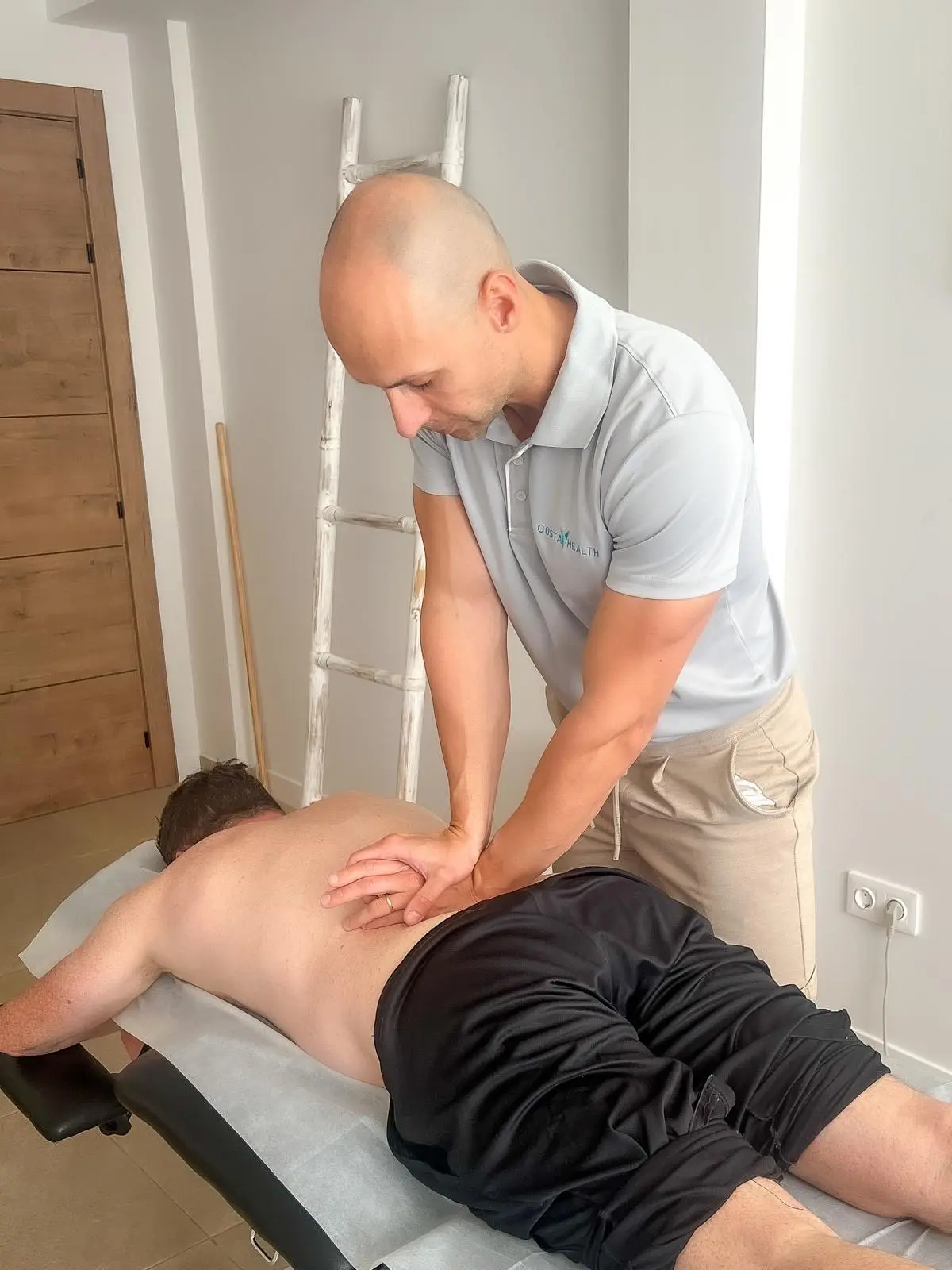
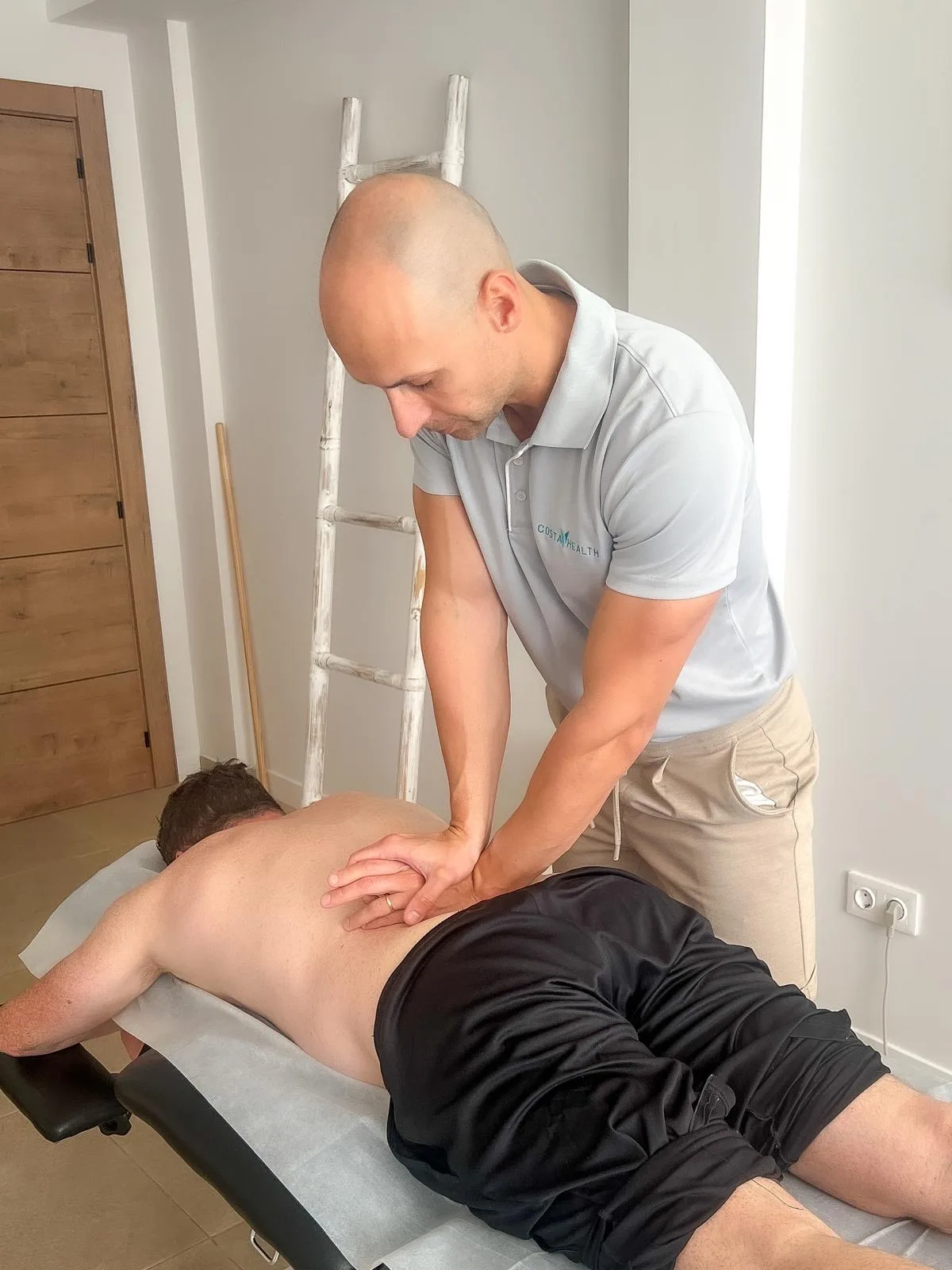
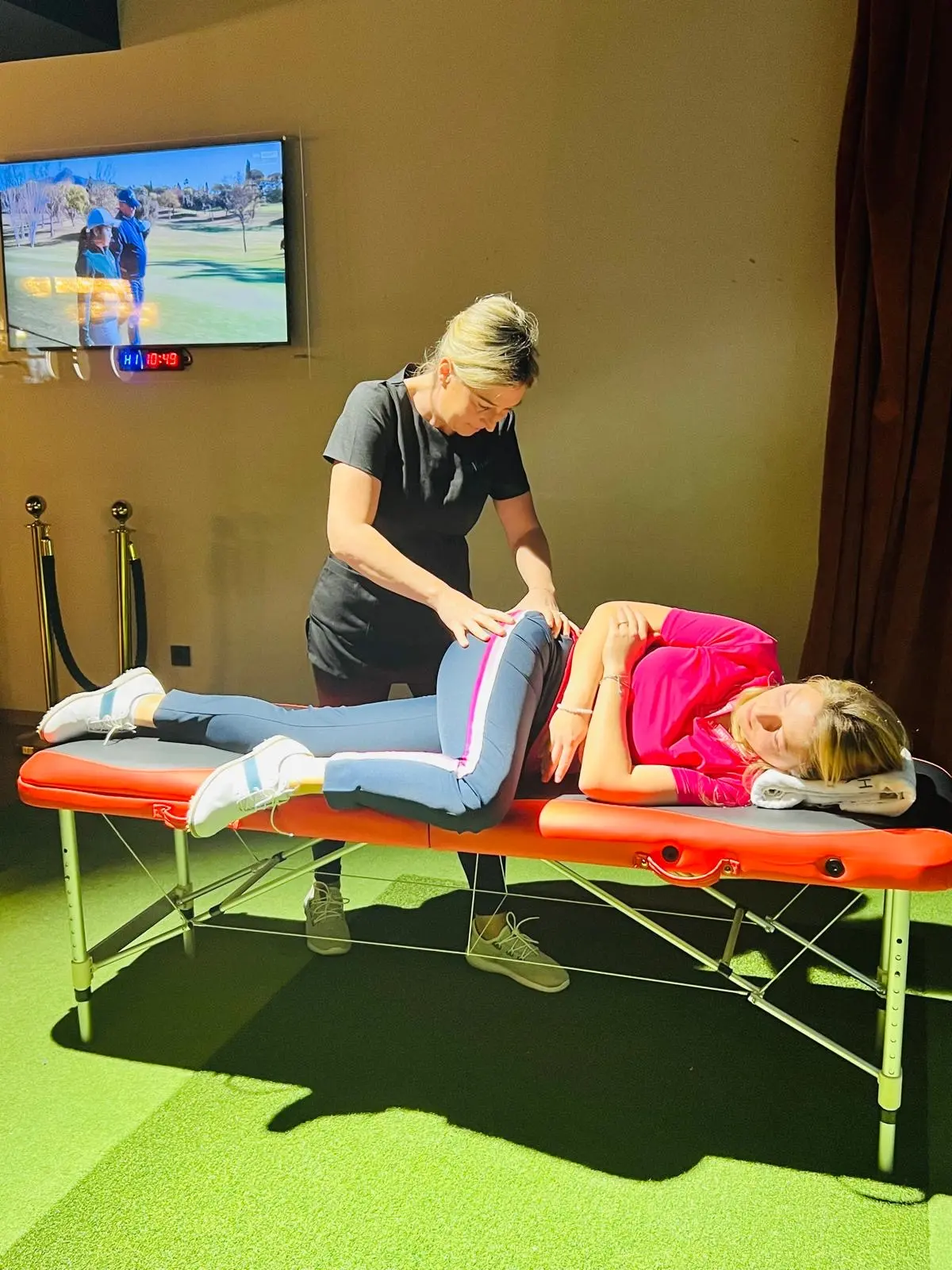
If you are searching for “physiotherapy near me” in Mijas or along the Costa del Sol, you are probably looking for safe, professional help with pain, injury or mobility problems. At Costa Health in Riviera del Sol, our physiotherapists provide individualised assessment, hands-on treatment and structured exercise rehabilitation to support your recovery and help you move more comfortably.
Whether your goal is to get back to work, return to sport, or simply walk and sleep with less discomfort, we focus on practical, evidence-informed care tailored to the way you live.
What Is Physiotherapy?
Physiotherapy is a healthcare profession that focuses on restoring movement, reducing pain and improving physical function. Physiotherapists assess how your body moves, then identify areas of weakness, stiffness, imbalance or poor control that may be contributing to your symptoms.
Common physiotherapy treatments include:
- Manual therapy and soft tissue techniques
- Joint mobilisation
- Exercise rehabilitation and strength work
- Postural correction and movement retraining
- Injury prevention strategies
- Advice on activity and lifestyle
The aim is not only to reduce symptoms, but also to improve long term function and reduce the likelihood of problems returning.
Why People Search for “Physiotherapy Near Me”
People usually look for a local physiotherapist when pain or injury starts to interfere with work, exercise, sleep or daily activities. At Costa Health we regularly see English-speaking residents and expats who have tried to manage on their own, but find that their symptoms keep returning.
Common reasons to seek physiotherapy include:
- Lower back pain
- Neck and shoulder tension
- Sports injuries
- Knee or hip pain
- Sciatica or leg pain
- Joint stiffness and reduced mobility
- Muscle strains and tendon problems
- Post-surgical rehabilitation
- Poor posture and desk-related discomfort
Choosing a nearby physiotherapy clinic makes it easier to attend regular appointments and follow a consistent rehabilitation plan, which is often key for good outcomes.
Conditions Commonly Treated by Physiotherapists
Back pain
Back pain is one of the most common problems we see in clinic. It can develop gradually from prolonged sitting, poor posture or repetitive strain, or appear suddenly after lifting or a twist.
Physiotherapy for back pain may include:
- Hands-on techniques for stiff or irritated joints and tight muscles
- Mobility exercises for the spine and hips
- Core and trunk strengthening
- Postural correction for sitting, standing and driving
- Movement retraining for bending, lifting and daily tasks
The goal is to reduce pain while improving the way your spine moves and copes with everyday loads.
Seek urgent medical help if: You develop new or worsening back pain with difficulty controlling bladder or bowel function, numbness around the groin or saddle area, unexplained weight loss, fever, a recent significant fall or accident, or weakness in both legs. These symptoms can indicate a more serious condition and need immediate medical assessment.
Neck pain and shoulder tension
Modern working patterns, long car journeys and prolonged screen use can all contribute to neck stiffness, headaches and shoulder tightness. Many office workers on the Costa del Sol notice their symptoms worsen during busy periods or when working from a laptop.
A physiotherapist will assess your posture, neck and shoulder movement, muscle strength and lifestyle factors to create a realistic treatment plan. This often combines manual therapy, targeted exercises and practical advice about your workstation and daily habits.
Sports injuries
Whether you play golf, padel, tennis, football or run along the seafront, sports injuries are common and can be frustrating. Physiotherapy supports both recovery and a safe return to sport.
Typical sports injuries include:
- Muscle strains and tears
- Ligament sprains
- Tendon irritation or tendinopathy
- Runner’s knee and other overuse problems
- Shin splints
- Shoulder and rotator cuff injuries
- Ankle sprains and instability
Treatment focuses on calming symptoms, restoring strength and mobility, and identifying why the injury occurred in the first place.
Physiotherapy for sciatica
Sciatica describes pain, tingling, numbness or weakness that travels from the lower back into the buttock and leg. It is usually caused by irritation or compression of one of the nerves in the lower back, but other conditions can produce similar symptoms.
A physiotherapist will assess your spine, nerve mobility and muscle function, then provide a structured rehabilitation plan which may include:
- Gentle mobility exercises
- Neural mobilisation techniques
- Progressive strengthening of the back, hips and legs
- Postural and activity advice
- Manual therapy where appropriate
Seek urgent medical help if: Your sciatica symptoms come on suddenly after a fall or accident, are associated with severe weakness in the leg or foot, problems controlling bladder or bowel function, or numbness in the saddle or groin area. These can be signs of a medical emergency.
Post-surgical physiotherapy rehabilitation
After orthopaedic surgery, physiotherapy is usually essential to regain movement, strength and confidence. We frequently support patients following:
- Knee surgery, including ligament and meniscus procedures
- Hip replacement
- Shoulder surgery, including rotator cuff repair
- Certain spinal procedures
- Ligament reconstruction in the ankle or knee
Your rehabilitation programme will be planned in line with your surgeon’s guidelines, and progressed gradually to match healing times and your individual response.
Benefits of Physiotherapy
Physiotherapy offers a non-surgical, evidence-informed approach to managing pain and improving physical performance. While results vary from person to person, potential benefits include:
- Reduced pain and stiffness
- Improved joint mobility
- Better flexibility and muscle balance
- Increased strength and confidence in movement
- More comfortable return to sport or exercise
- Improved posture and desk comfort
- Reduced risk of some injuries recurring
- More efficient day-to-day movement
Your physiotherapist will also provide education and self-management strategies so that you feel more in control of your condition.
Quick Tip: Before your first physiotherapy appointment, jot down when your pain is better or worse, what makes it flare up, and any medications you are taking. This helps your physiotherapist identify patterns and tailor your treatment more accurately.
What Happens During a Physiotherapy Appointment at Costa Health?
Initial assessment
Your first physiotherapy session begins with a detailed discussion to understand:
- Your current symptoms and how they started
- Medical history and previous treatments
- Lifestyle factors, including work demands and activity levels
- Sports or hobbies that matter to you
- Your goals, such as walking further, lifting grandchildren, or returning to a particular sport
Physical examination
The examination may include assessment of:
- Joint movement and mobility
- Muscle strength and endurance
- Flexibility
- Posture
- Functional movements, such as squatting, lifting or reaching
- Balance and coordination where relevant
Personalised treatment plan
Based on the assessment, your physiotherapist will explain the likely contributing factors to your problem and outline a treatment plan. This may involve:
- Manual therapy and soft tissue techniques
- Individualised exercise rehabilitation
- Stretching and mobility work
- Strength and stability exercises
- Movement correction and postural coaching
- Advice on modifying activities in the short term
You will usually receive some treatment and home exercises from the first visit, provided it is clinically appropriate.
Physiotherapy for Office Workers and Remote Workers
Many of our patients on the Costa del Sol work long hours at a desk or from laptops at home. This can contribute to:
- Neck pain and stiffness
- Shoulder and upper back tension
- Lower back discomfort
- Wrist or forearm strain
- Postural fatigue
- Headaches related to neck and shoulder muscles
Physiotherapy can help by addressing painful areas, improving muscle endurance and giving you practical strategies to break up long sitting periods.
At Costa Health we also provide ergonomic advice to help you set up your workstation, whether at a traditional desk or using a laptop at home or in a co-working space.
Quick Tip: Aim to stand up or walk for 2 to 3 minutes at least every 30 to 45 minutes when working at a desk. Even brief movement breaks can reduce stiffness and help your physiotherapy exercises work more effectively.
Physiotherapy and Exercise Rehabilitation
Exercise rehabilitation is a central part of most physiotherapy treatment plans. Hands-on treatment can be very helpful, but longer term improvement usually comes from building strength, mobility and confidence in movement.
Rehabilitation programmes may include:
- Core and trunk strengthening
- Joint-specific mobility work
- Balance and stability exercises
- Functional movement training, such as squatting or stepping
- Sports-specific rehabilitation to prepare for running, golf, racket sports and more
Every programme is tailored to your condition, goals and fitness level. Exercises are progressed gradually and adjusted based on your response and feedback.
Physiotherapy for Posture and Mobility
Poor posture and reduced mobility do not just affect appearance. They can contribute to chronic neck, shoulder, back or hip discomfort, as well as a feeling of stiffness or fatigue when sitting or standing.
Common postural patterns include:
- Forward head posture
- Rounded shoulders
- Increased tension through the upper back and neck
- Reduced hip extension from prolonged sitting
- Muscle imbalances between the front and back of the body
Physiotherapy can help improve alignment, movement quality and body awareness through a blend of manual techniques, stretching, strengthening and simple postural cues that fit into daily life.
Is Physiotherapy Safe?
Physiotherapy is generally considered safe when provided by a suitably qualified healthcare professional. Treatment is always adapted to your age, medical history, current condition and fitness level.
At Costa Health, your physiotherapist will discuss any potential risks, check for medical red flags and work with you to choose techniques and exercises that feel appropriate and manageable.
How to Choose the Right Physiotherapist Near You
When searching for “physiotherapy near me”, it is worth taking a moment to check that the clinic is a good fit for your needs. Useful things to consider include:
Experience and qualifications
Look for physiotherapists with recognised qualifications and experience treating a range of musculoskeletal conditions. Experience with your specific problem, such as sports injuries, spinal pain or post-surgical rehabilitation, can be especially helpful.
Individualised treatment
Effective physiotherapy should not be a one-size-fits-all approach. Your treatment should be tailored to your symptoms, goals, lifestyle and activity levels, with clear explanations at each stage.
Evidence-informed care
Modern physiotherapy combines manual therapy, targeted exercise, education and movement science. Ask how your treatment plan is being guided by current clinical guidelines and research.
Convenient location and access
A local clinic with easy parking and good access makes it more realistic to attend appointments regularly, which is often important for rehabilitation progress.
Why Choose Costa Health for Physiotherapy?
At Costa Health in Riviera del Sol, we provide patient-centred physiotherapy with a focus on long term improvement rather than short term pain relief alone. Many of our patients are English-speaking residents and seasonal visitors who value clear communication and a structured plan.
Our approach typically includes:
- Thorough initial assessments and clear explanations
- Hands-on therapy where appropriate
- Individualised exercise rehabilitation
- Movement and posture analysis for work and sport
- Injury prevention and load management strategies
- Education and self-management advice
We also work closely with our chiropractic, sports massage and beauty therapy colleagues where a combined approach may be helpful, and can liaise with your GP or consultant when needed.
Signs You May Benefit from Physiotherapy
You might find physiotherapy helpful if you notice any of the following:
- Persistent or recurring pain
- Muscle tightness that does not improve with simple stretching
- Joint stiffness or reduced mobility
- Sports injuries or niggles that keep coming back
- Weakness or loss of confidence after an injury or surgery
- Pain during or after exercise
- Poor posture or discomfort when sitting at a desk
- Difficulty with everyday activities such as walking, climbing stairs or lifting
Seeing a physiotherapist early can sometimes help prevent minor issues becoming more persistent problems.
Book a Physiotherapy Appointment Near You
If you are looking for trusted “physiotherapy near me” in Mijas or along the Costa del Sol, Costa Health is here to support you. Our physiotherapy team offers careful assessment, clear explanations and tailored rehabilitation plans to match your goals.
Whether you are recovering from an injury, managing longer term pain, improving mobility or preparing to return to sport, we will work with you step by step. Contact Costa Health today to arrange your physiotherapy consultation and take a practical next step towards more comfortable movement and better function.
Frequently Asked Questions
How many physiotherapy sessions will I need?
The number of sessions varies from person to person. It depends on factors such as how long you have had the problem, how severe it is, any underlying health conditions, your goals and how consistently you can do your exercises. At your initial assessment, your physiotherapist will give you a realistic outline of the likely treatment plan and review this as you progress.
Do I need a referral for physiotherapy?
No, in most cases you do not need a referral to see a physiotherapist privately at Costa Health. If you have recently had surgery or have a complex medical history, it can be helpful to bring any letters or reports from your doctor or consultant so that your physiotherapist can coordinate your care.
Is physiotherapy painful?
You may feel some mild, short-lived discomfort with certain techniques or exercises, especially when working into stiff or sensitive areas. However, physiotherapy should not feel excessively painful or overwhelming. Your physiotherapist will always work within your tolerance, explain what to expect and adjust treatment if something feels too uncomfortable.
Can physiotherapy help prevent injuries?
Physiotherapy can help reduce the risk of some injuries by identifying movement issues, muscle imbalances and mobility restrictions, then addressing these with targeted exercises and advice. While no approach can prevent every injury, improving strength, control and load management can make your body more resilient to everyday and sporting demands.
Can physiotherapy help with sports performance?
Many athletes and regular exercisers use physiotherapy to support performance. By improving joint mobility, strength, stability, movement control and recovery between sessions, physiotherapy can help you train more comfortably and efficiently. Your physiotherapist can also advise on warm-up routines, load progression and strategies to reduce the risk of interruption from minor injuries.