Rotator Cuff Tendonitis: Understanding Shoulder Tendon Pain and the Route to Recovery
In This Article
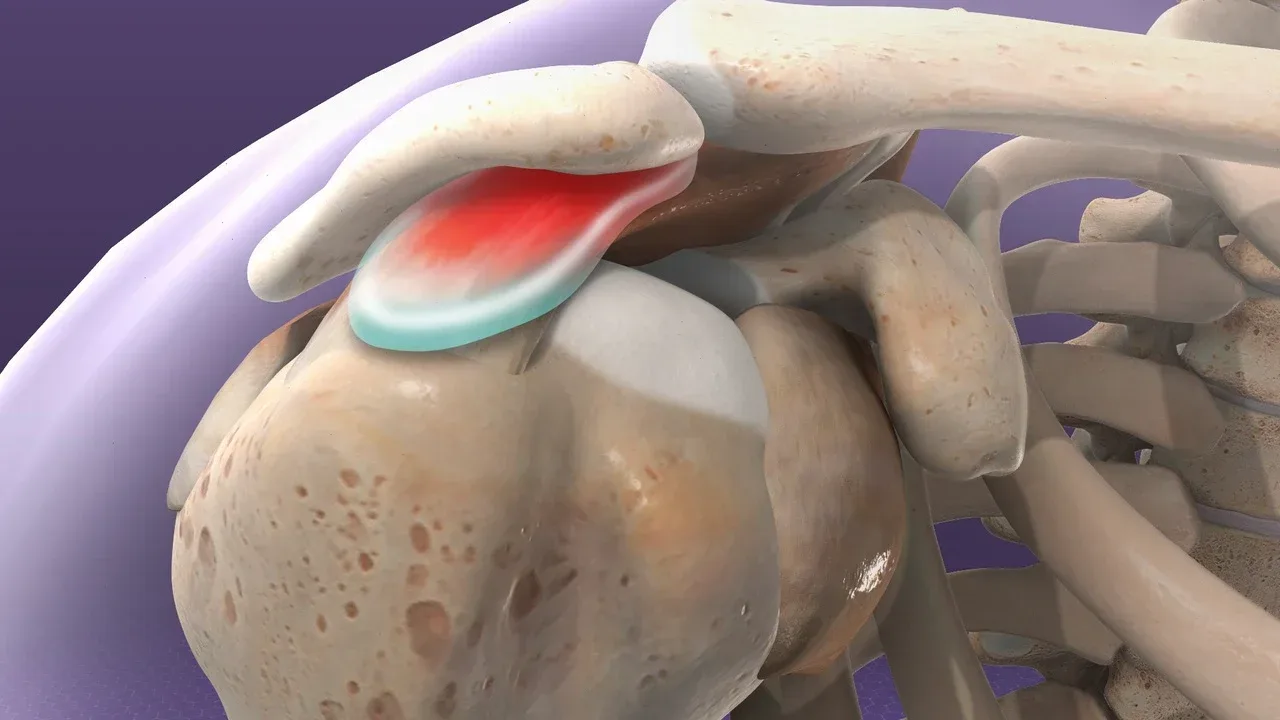
Shoulder pain is one of the most common musculoskeletal complaints, and a frequent cause is irritation of the rotator cuff tendons. This can make everyday movements such as reaching overhead, lifting, dressing or sleeping on the affected side uncomfortable.
The good news is that many rotator cuff problems respond very well to the right combination of treatment, exercise and progressive rehabilitation.
What Is the Rotator Cuff?
The rotator cuff is a group of four muscles and their tendons that surround the shoulder joint. Their role is to stabilise the shoulder and control movement of the arm.
These tendons work hard every day, particularly during lifting, reaching, pushing and pulling activities. Over time, they can become overloaded, irritated or weakened.
What Is Rotator Cuff Tendonitis?
Rotator cuff tendonitis traditionally refers to inflammation within one of the shoulder tendons, often caused by sudden overload, repetitive activity or strain.
This may develop after:
- Decorating or painting overhead
- Racquet sports
- Gym training with poor load management
- Repetitive lifting at work
- A sudden increase in activity levels
- Poor shoulder mechanics over time
Symptoms often include:
- Pain when lifting the arm
- Pain reaching behind the back
- Discomfort sleeping on the affected side
- Weakness or pain with lifting
- A catching or painful arc during movement
Tendonitis vs Tendinopathy: What Is the Difference?
These terms are often used interchangeably, but they are not exactly the same.
Tendonitis
This usually describes a more reactive or inflammatory stage of tendon irritation, often following recent overload. The tendon may be sore, sensitive and aggravated by movement.
Tendinopathy
This is a broader and often more accurate term for persistent tendon pain or dysfunction. It describes structural and biochemical changes within the tendon caused by repeated overload, poor recovery or degeneration over time. There may be less true inflammation present than was once thought.
In practice, many ongoing shoulder complaints are better described as rotator cuff tendinopathy rather than tendonitis.
Who Is Most Likely to Develop Rotator Cuff Tendon Problems?
Rotator cuff tendon problems are common in:
- People aged over 35, particularly with cumulative wear and tear
- Manual workers who lift or reach regularly
- Office workers with poor shoulder conditioning and posture habits
- Gym-goers who increase load too quickly
- Swimmers, tennis players and overhead athletes
- People recovering from a previous shoulder injury
- Those with poor upper back mobility or weak shoulder stabilisers
How Do Tendons Heal?
Tendons have a slower blood supply than muscles, which means healing takes time. Recovery usually happens in phases:
Reactive Phase
The tendon becomes irritated and painful after overload. Reducing aggravating load and calming symptoms is the priority at this stage.
Repair Phase
The tissue begins to recover and adapt. This is where structured exercise becomes essential.
Remodelling Phase
The tendon becomes stronger and more tolerant when loaded appropriately over time.
Quick Tip: Complete rest is rarely the answer for tendon pain. Tendons need the right amount of load to heal, not an absence of it. A structured, gradual return to activity is far more effective than prolonged rest.
Why Exercise and Loading Matter
Progressive exercise is one of the most effective treatments for tendon pain. A well-designed programme can help:
- Improve tendon strength and resilience
- Restore shoulder control
- Reduce pain sensitivity
- Improve range of movement
- Reduce the risk of recurrence
Loading must be gradual and specific. Too much too soon may aggravate symptoms, while too little may delay recovery.
A tailored rehabilitation plan often includes:
- Isometric exercises for pain relief
- Rotator cuff strengthening
- Scapular control work
- Postural strength exercises
- Gradual return to overhead tasks and sport
How Shockwave Therapy Can Help
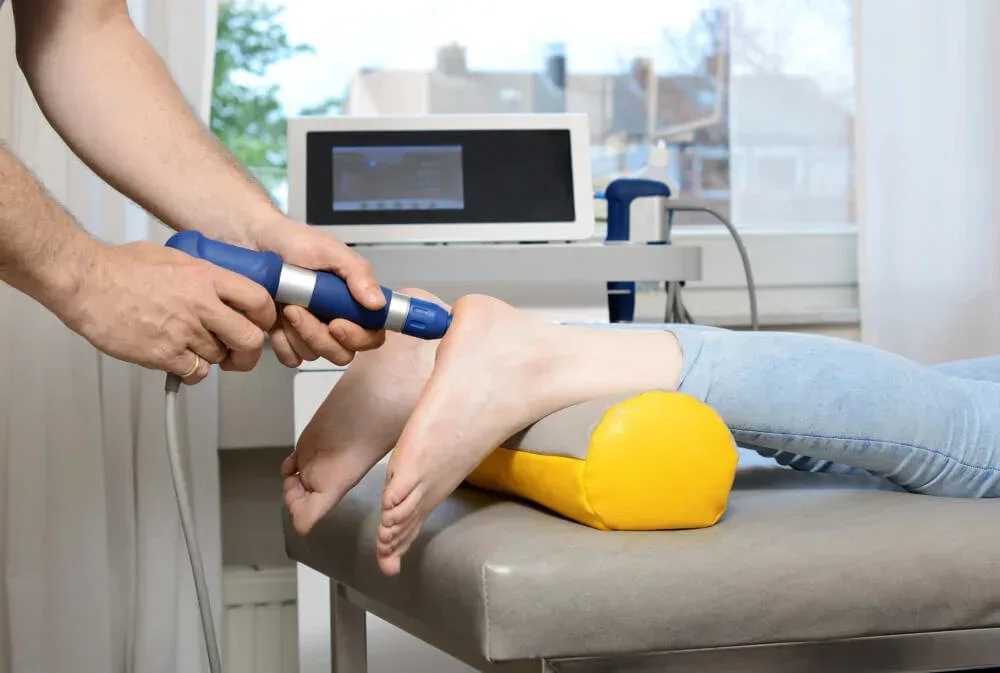
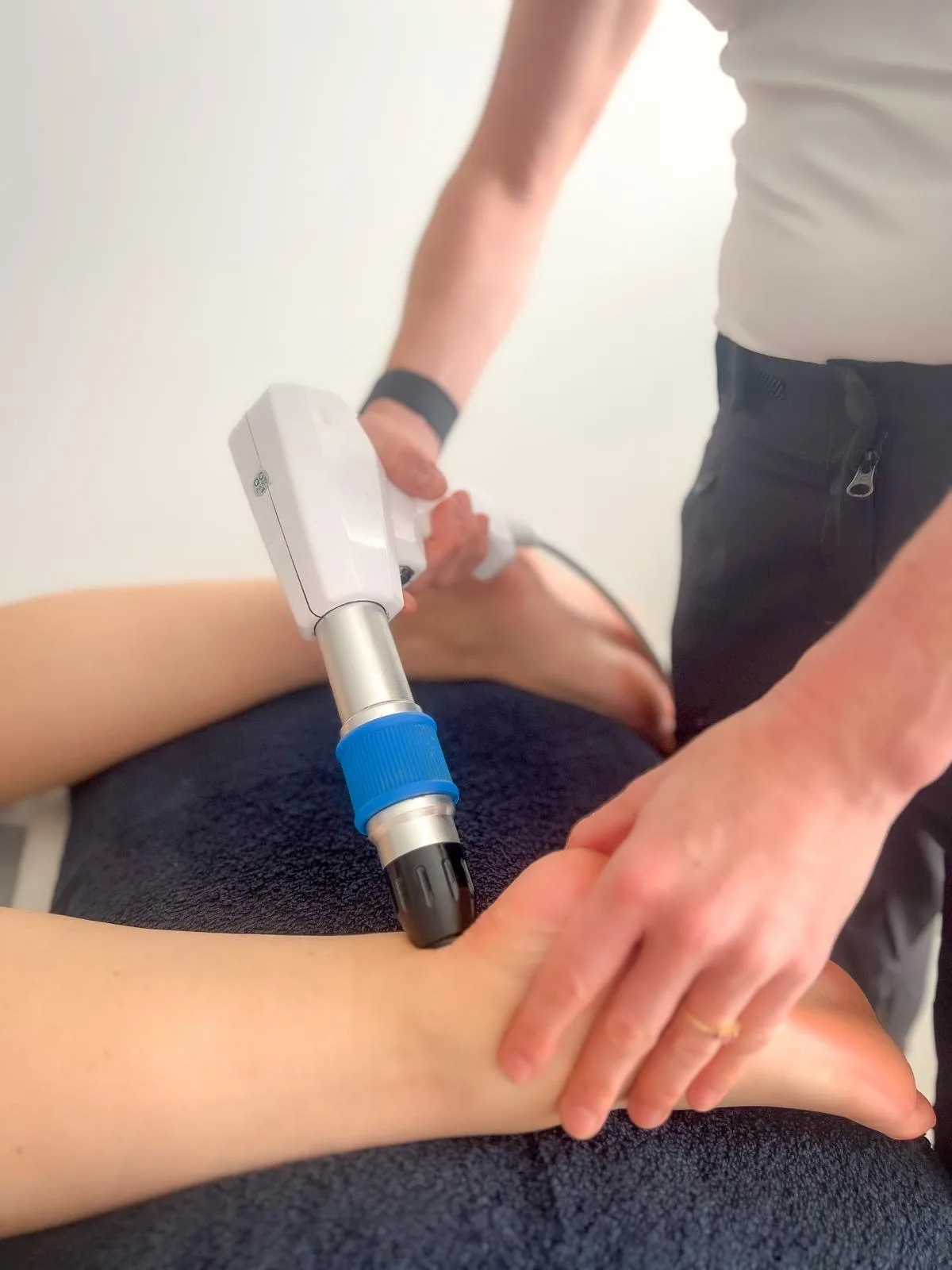
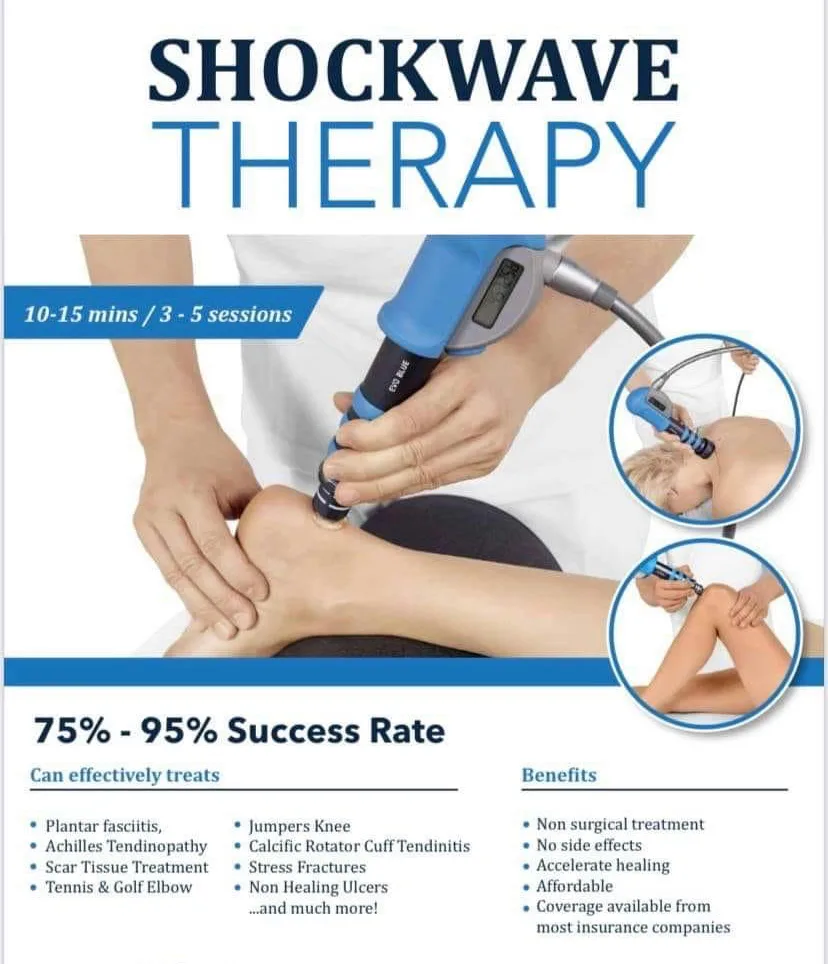
At Costa Health, we use shockwave therapy as part of treatment for suitable tendon conditions, including rotator cuff tendinopathies.
Shockwave therapy uses acoustic waves to stimulate healing processes within irritated tendon tissue. It may help by:
- Encouraging tissue regeneration
- Improving local blood flow
- Reducing pain sensitivity
- Supporting stubborn or persistent tendon pain
It is often most effective when combined with a structured loading programme rather than used in isolation.
Quick Tip: If your shoulder pain has persisted for several weeks despite rest and self-management, it is worth seeking a professional assessment. Early intervention can help prevent compensation patterns from developing in the neck, upper back and opposite shoulder.
What If There Is a Partial Tear?
A partial thickness tear of the rotator cuff does not automatically mean surgery is required. Many partial tears can be managed successfully with conservative treatment, including:
- Load modification
- Physiotherapy and rehabilitation
- Strengthening exercises
- Manual therapy where appropriate
- Shockwave therapy in selected cases
- Gradual return to activity
The size of the tear, weakness levels, pain severity and functional limitation all matter more than the scan result alone. It is worth noting that many people have partial tears visible on imaging with little or no pain.
When Is Surgery Appropriate?
Surgery may be considered when:
- There is a large or full thickness tear
- Significant weakness is present
- Symptoms persist despite a thorough rehabilitation trial
- Pain remains severe and function is limited
- There has been a traumatic injury with sudden loss of strength
- Daily activities or work are heavily affected
Even when surgery is needed, rehabilitation before and after the procedure remains essential to achieving a good outcome.
Three Key Points to Remember
1. Not All Tendon Pain Is Inflammation
Long-standing shoulder pain is often tendinopathy rather than simple tendonitis, which changes how it should be treated.
2. Tendons Need Load to Heal
Rest alone rarely resolves the issue. Progressive exercise is one of the most important components of recovery.
3. Early Treatment Gets Better Results
Addressing shoulder pain early can reduce compensation patterns, maintain strength and speed up recovery.
Rotator cuff pain can be frustrating, particularly when it affects sleep, work or training. With the right diagnosis and a structured plan, most people improve well without surgery. Treatments such as shockwave therapy, combined with smart rehabilitation, can play an important role in restoring shoulder function and confidence.
Frequently Asked Questions
How long does rotator cuff tendonitis take to heal?
Recovery time varies depending on the severity and how long the problem has been present. A reactive tendonitis following a recent overload may settle within a few weeks with appropriate management. More persistent tendinopathy can take several months of structured rehabilitation. Starting treatment early and following a progressive loading programme generally leads to faster and more complete recovery.
Should I rest my shoulder completely if I have rotator cuff tendonitis?
Complete rest is rarely the best approach. Tendons respond well to appropriate loading, and prolonged rest can actually slow recovery. The aim is to reduce activities that significantly aggravate symptoms while maintaining gentle, controlled movement and beginning a structured exercise programme as guided by your physiotherapist or chiropractor.
Can rotator cuff tendonitis heal without surgery?
Yes, the majority of rotator cuff tendon problems, including many partial tears, respond well to conservative treatment. This typically includes physiotherapy, progressive strengthening exercises, load management and, in some cases, shockwave therapy. Surgery is generally considered only when conservative treatment has been thoroughly trialled without sufficient improvement, or when there is a significant structural tear causing major weakness or functional loss.
What is the difference between tendonitis and tendinopathy?
Tendonitis refers to an inflammatory stage of tendon irritation, typically following a recent overload. Tendinopathy is a broader term describing persistent tendon pain and dysfunction involving structural changes within the tendon tissue. Many long-standing shoulder complaints are more accurately described as tendinopathy, which requires a loading-based rehabilitation approach rather than simply treating inflammation.
Is shockwave therapy effective for rotator cuff tendinopathy?
Shockwave therapy can be a useful addition to treatment for suitable cases of rotator cuff tendinopathy, particularly where symptoms have been persistent. It works by delivering acoustic waves to the affected tissue to stimulate healing and reduce pain sensitivity. It tends to produce the best results when used alongside a structured rehabilitation and strengthening programme rather than as a standalone treatment.