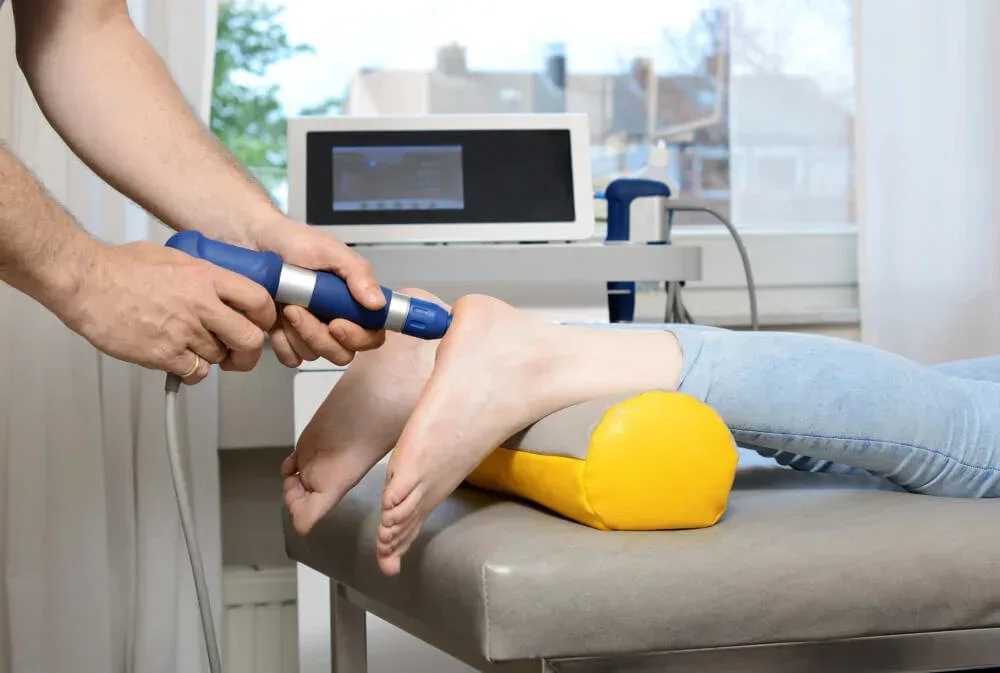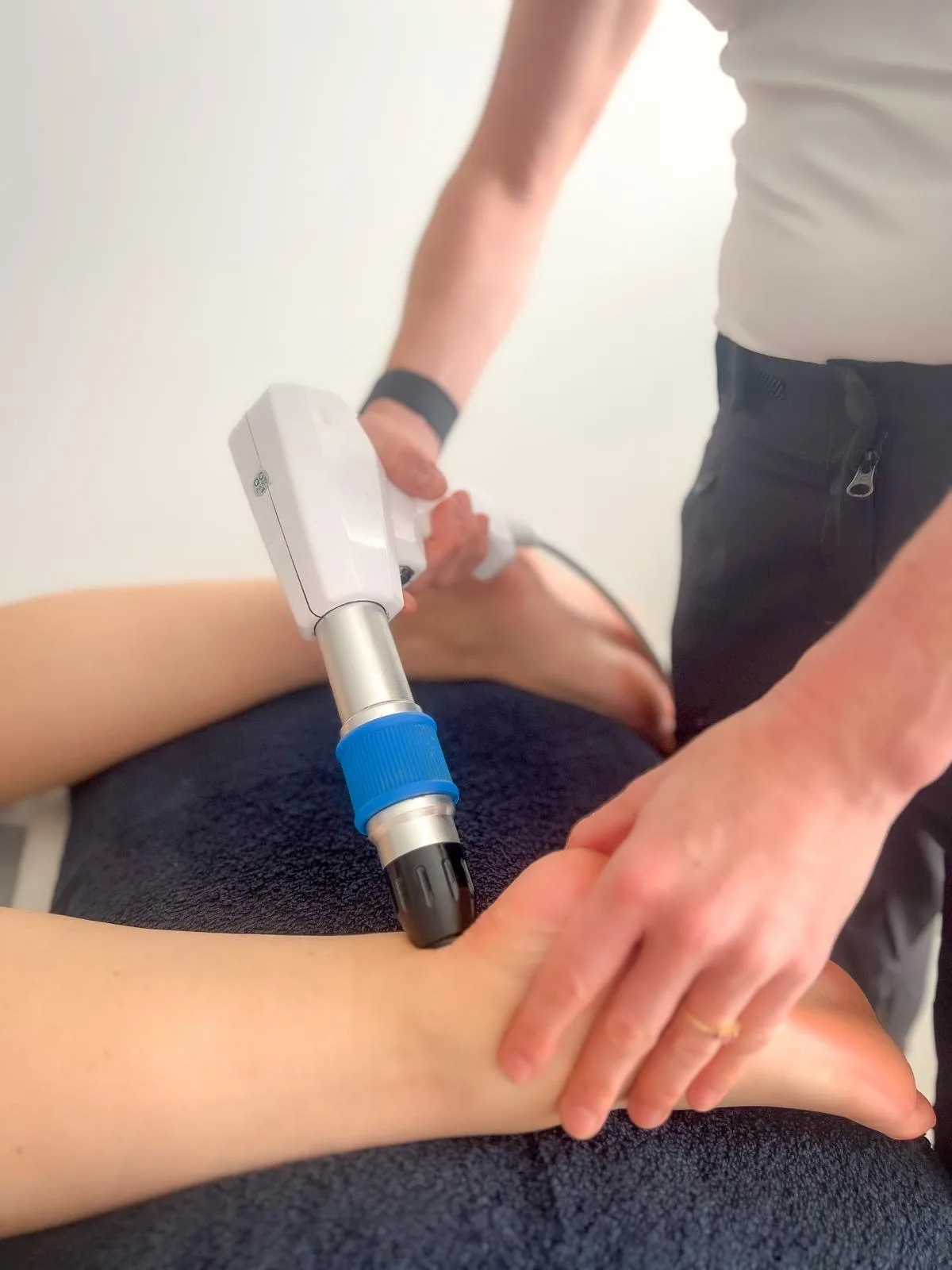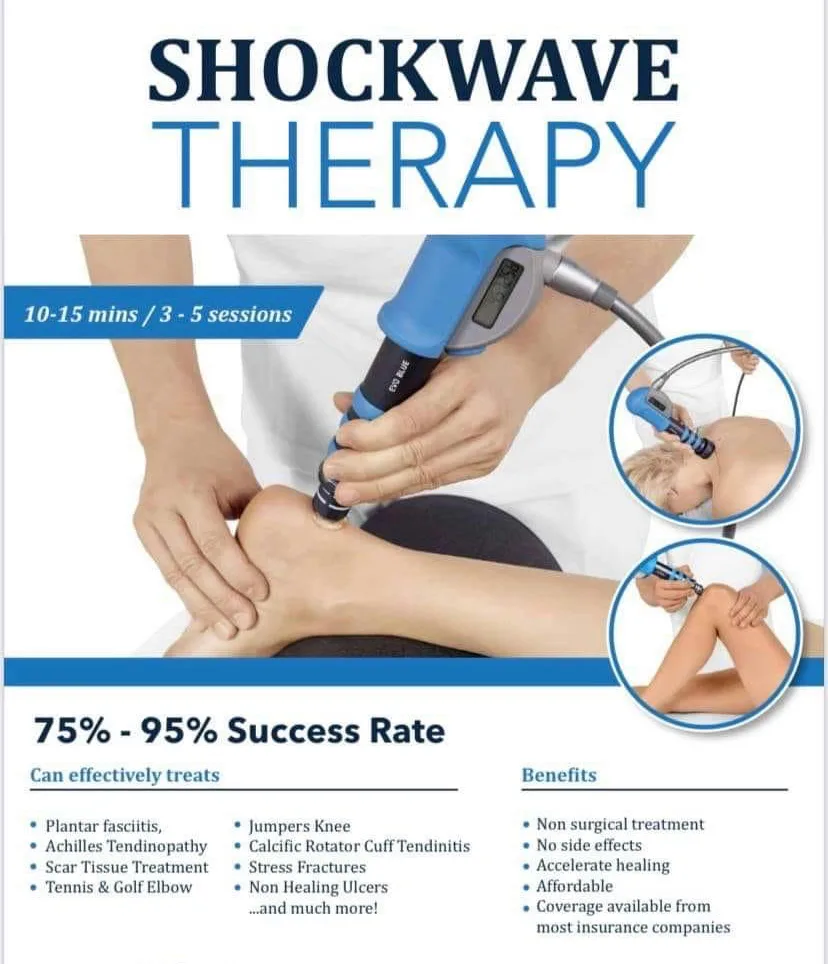
Does Shockwave Therapy Work? Evidence, Results, and What to Expect
In This Article
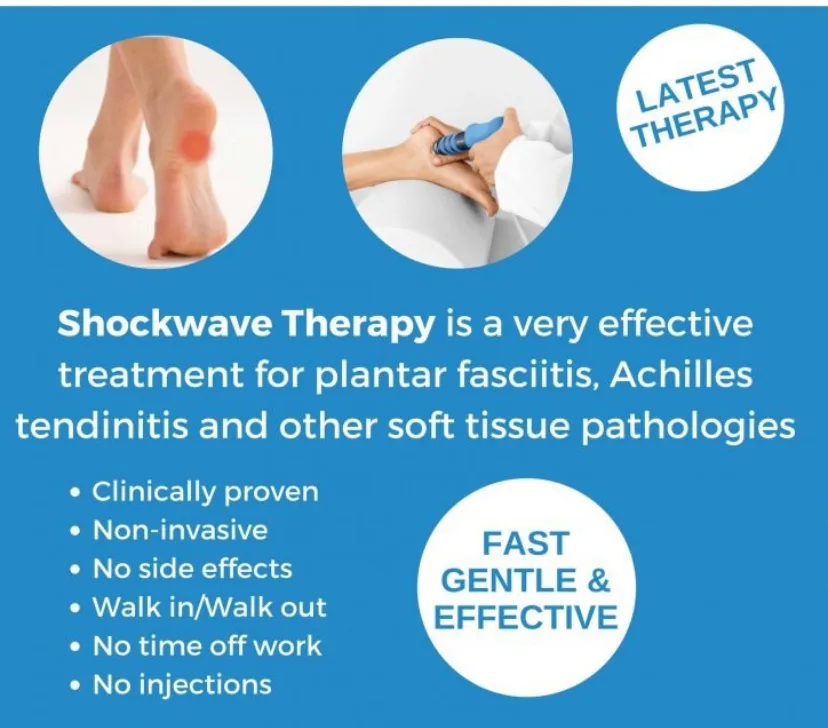
If you are considering shockwave therapy, the most important question is whether it actually works. For many people searching in Marbella or Mijas, other approaches have already been tried without fully resolving the pain. Shockwave therapy is widely used for certain conditions, but like any treatment, its effectiveness depends on when and how it is applied.
What Is Shockwave Therapy Designed to Do?
Shockwave therapy is not simply a pain relief tool. Its primary aim is to address the underlying tissue dysfunction rather than mask symptoms. It works by delivering acoustic energy to the affected area, which triggers a biological healing response.
Specifically, it is designed to:
- Stimulate healing in damaged or degenerated tissue
- Improve local blood flow
- Encourage cellular repair
- Address chronic tendon dysfunction
This is why it is most commonly used for long-standing conditions rather than recent injuries.
What Conditions Does Shockwave Therapy Work Best For?
There is strong clinical evidence supporting shockwave therapy for a specific range of conditions. It tends to perform best where tendon tissue has become chronically degenerated and has not responded to rest or standard physiotherapy alone.
Plantar Fasciitis
One of the most well-researched applications. Many patients experience significant improvement once symptoms have become chronic and other conservative measures have plateaued.
Tennis Elbow (Lateral Epicondylalgia)
Shockwave therapy can help stimulate healing in degenerative tendon tissue at the elbow and reduce persistent pain that has not resolved with rest or exercise.
Achilles Tendinopathy
Commonly used when symptoms have not improved with load management or a structured exercise programme. Both mid-portion and insertional Achilles tendinopathy may respond well.
Shoulder Tendinopathy
Particularly effective for chronic rotator cuff-related pain and certain calcific tendon conditions, where calcium deposits within the tendon contribute to ongoing discomfort.
Why Does Shockwave Therapy Not Work for Everyone?
Shockwave therapy produces the best results when the right conditions are met. Understanding why it sometimes falls short is just as important as knowing when it succeeds.
It tends to be effective when:
- The diagnosis is accurate and clearly tendon-related
- The condition is chronic rather than acute
- It is delivered as part of a structured treatment plan
It may be less effective when:
- The underlying issue is not related to tendon dysfunction
- There is significant structural damage requiring a different approach
- Contributing factors such as load or movement patterns have not been addressed
Quick Tip: If you have had shockwave therapy before without success, it is worth reviewing whether the diagnosis was accurate and whether supporting rehabilitation was included. These two factors significantly influence outcomes.
How Effective Is Shockwave Therapy?
Clinical studies report good success rates for the appropriate conditions, particularly when shockwave therapy is combined with rehabilitation. Results vary between individuals, but patients commonly report:
- Reduced pain levels
- Improved function and range of movement
- Better tolerance to activity and exercise
It is worth noting that results are not immediate. Shockwave therapy works by triggering a biological response, and improvement develops gradually over several weeks.
Typical Timeline for Results
- Early changes may be noticed after the first few sessions
- Noticeable improvement typically develops over several weeks
- Progress often continues after the course of treatment has finished
Does Shockwave Therapy Fix the Problem Permanently?
It can lead to long-term improvement, but this depends on whether the contributing factors are also addressed. Shockwave therapy stimulates tissue repair, but if the reasons the tendon became problematic in the first place are not managed, symptoms may return over time.
Key factors to address alongside treatment include:
- Load management - how much stress is placed on the tendon during daily activity and exercise
- Movement patterns - identifying and correcting any biomechanical contributors
- Strength and conditioning - progressive loading to restore tendon capacity
Should Shockwave Therapy Be Combined With Other Treatment?
Yes, and this is where the best outcomes are consistently seen. Shockwave therapy is most effective as part of a broader treatment plan rather than as a standalone intervention.
Combining it with the following tends to produce better and more lasting results:
- A structured rehabilitation exercise programme
- Activity modification during the recovery period
- Targeted manual therapy where clinically appropriate
Quick Tip: Ask your clinician how shockwave therapy fits into your overall treatment plan. A clear rationale and structured progression are signs that the approach is well-considered.
Shockwave Therapy in Marbella and Mijas: Why Application Matters
Access to shockwave therapy is increasingly straightforward, but access alone does not determine outcomes. The key factor is how the treatment is applied and within what clinical framework.
Effective treatment should include:
- A clear and accurate diagnosis before treatment begins
- A structured plan with defined goals and session frequency
- Ongoing assessment of progress and adjustment where needed
Used correctly, shockwave therapy can be a highly effective tool for chronic tendon conditions. Used in isolation or without proper clinical reasoning, results are more limited.
At Costa Health in Riviera del Sol, Mijas, shockwave therapy is offered as part of a comprehensive physiotherapy or chiropractic assessment and treatment plan, ensuring it is applied where it is most likely to benefit you.
Frequently Asked Questions
Does shockwave therapy really work?
Yes, for the right conditions. It is particularly effective for chronic tendon problems such as plantar fasciitis, tennis elbow, and Achilles tendinopathy, where clinical evidence supports its use.
What is the success rate of shockwave therapy?
Success rates vary depending on the condition and how treatment is delivered, but many patients experience meaningful improvement when shockwave therapy is used appropriately and alongside rehabilitation.
How long does shockwave therapy take to work?
Some patients notice early improvement within a few sessions, but most results develop gradually over several weeks. Improvement can continue even after the course of treatment has finished.
Why have I tried shockwave therapy before without success?
There are several possible reasons, including an inaccurate diagnosis, too few sessions, or a lack of supporting rehabilitation. If the underlying contributing factors were not addressed, this may also have limited the outcome.
Is shockwave therapy better than physiotherapy or exercise?
It is not a replacement for physiotherapy or exercise. Shockwave therapy works best alongside rehabilitation rather than instead of it. The combination typically produces better and more lasting results.
Does shockwave therapy work for all types of pain?
No. It is most effective for chronic tendon-related conditions and is less suitable for acute injuries or pain that is not related to tendon dysfunction. A proper assessment is needed to determine suitability.
How do I know if shockwave therapy will work for me?
A thorough clinical assessment is the best way to determine whether your condition is suitable and whether you are likely to benefit. This allows your clinician to give you a realistic picture of what to expect.