Shockwave Therapy for Shoulder Pain in Marbella and Mijas: Rotator Cuff and Tendon Treatment
In This Article
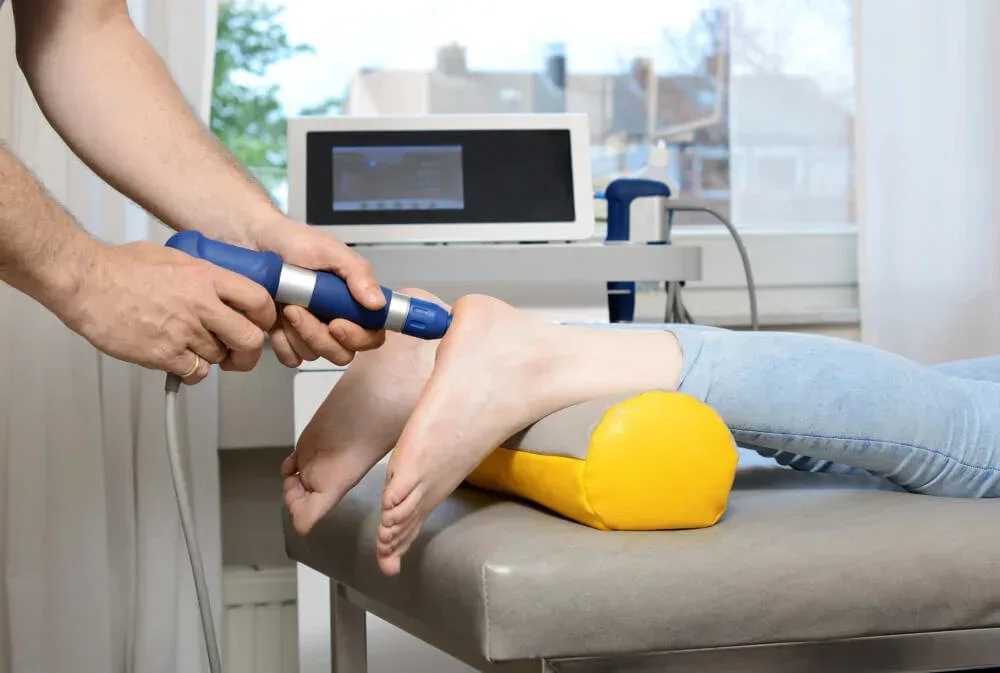
Shoulder pain can be persistent, limiting, and frustrating, particularly when it starts to affect sleep, training, or even simple daily movements. If you are searching for shockwave therapy for shoulder pain in Marbella or Mijas, it is often because the problem has not improved with rest, exercises, or previous treatment. Shockwave therapy is commonly used in these situations, especially when shoulder pain has become chronic.
What Causes Ongoing Shoulder Pain?
Most long-standing shoulder problems are not caused by a single injury. Instead, they tend to develop gradually over time through repetitive strain or cumulative overload.
Common causes include:
- Rotator cuff tendinopathy
- Subacromial pain syndrome
- Calcific tendon changes
- Repetitive overload from sport or work
In many cases, the tendon becomes irritated and then gradually degenerates. At this stage, the body’s ability to heal slows down, which is why symptoms can persist for months.
When Does Shoulder Pain Become Chronic?
Shoulder pain is generally considered chronic when:
- It has lasted longer than three months
- It has not responded to rest or basic treatment
- It keeps returning when activity increases
This is typically the stage at which people begin looking for shockwave therapy in Marbella or Mijas.
How Shockwave Therapy Works for Shoulder Pain
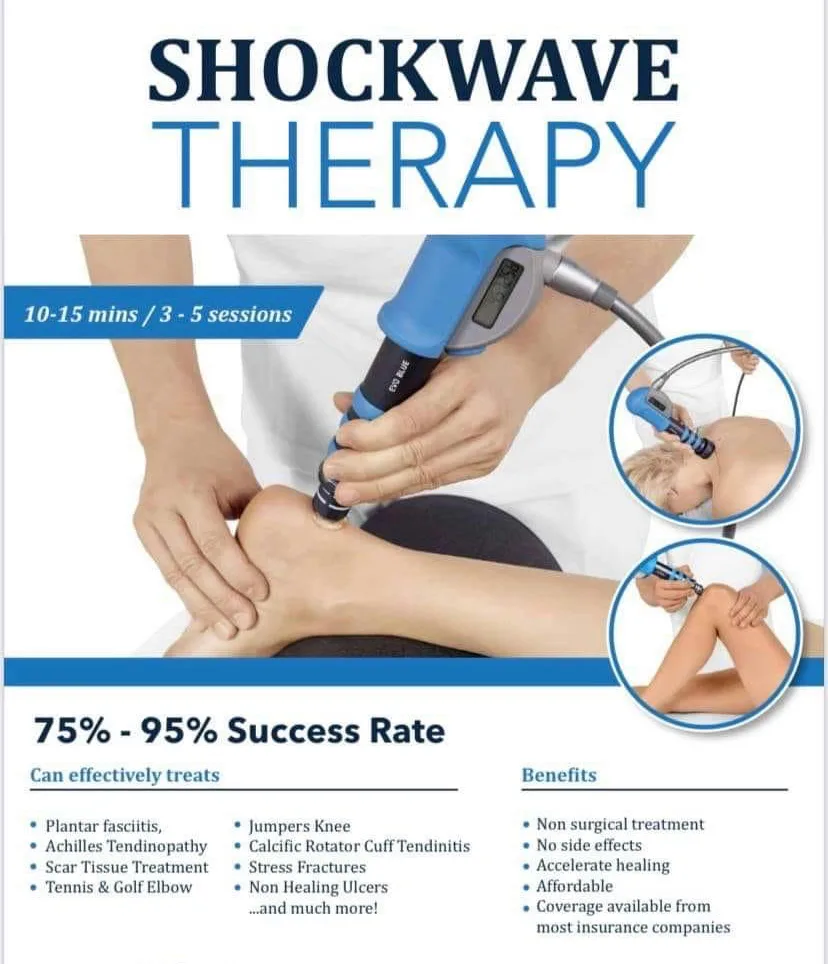
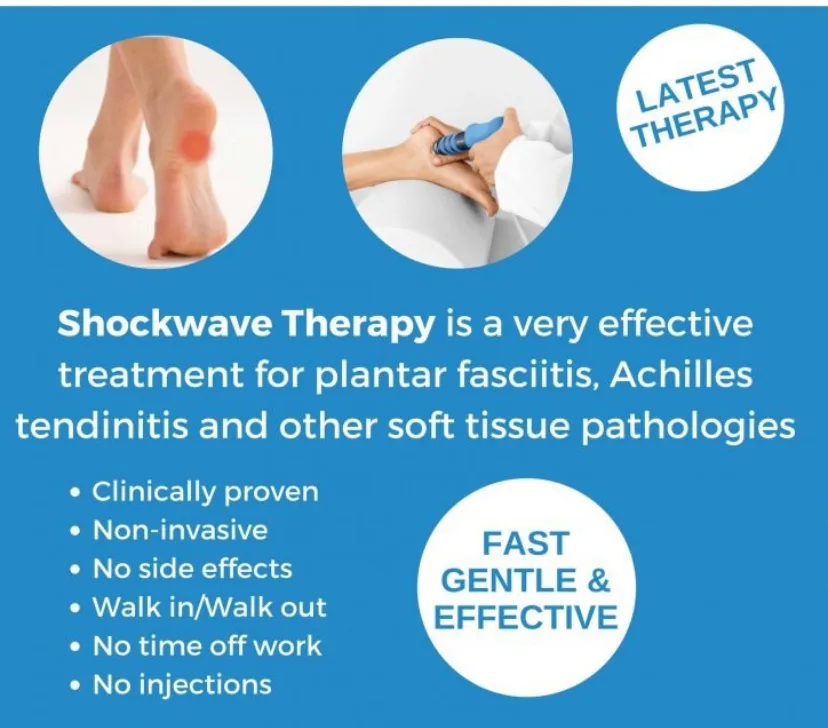
Shockwave therapy uses targeted acoustic energy to stimulate healing in the affected tendon. Rather than simply reducing symptoms, it aims to improve the quality of the tendon tissue itself.
Its effects include:
- Increasing blood flow to the area
- Stimulating cellular repair processes
- Reducing pain sensitivity
- Breaking down calcific deposits where present
Quick Tip: Shockwave therapy works best when combined with a structured rehabilitation programme. Using it in isolation may limit your results, so always expect it to be part of a broader treatment plan.
Which Shoulder Conditions Respond Best?
Shockwave therapy is most effective for specific types of shoulder pain. Below are the conditions that tend to respond well.
Rotator Cuff Tendinopathy
This is one of the most common causes of persistent shoulder pain. Typical symptoms include:
- Pain when lifting the arm
- Weakness or discomfort with overhead activity
- Pain when lying on the affected side
Calcific Shoulder Pain
In some cases, calcium deposits form within the tendon. Shockwave therapy can help break down these deposits, reduce associated pain, and improve range of movement.
Chronic Impingement-Related Pain
When shoulder structures become overloaded over time, persistent irritation can develop. Shockwave therapy can help reset the healing response and improve tolerance to movement.
What Does Treatment Feel Like?
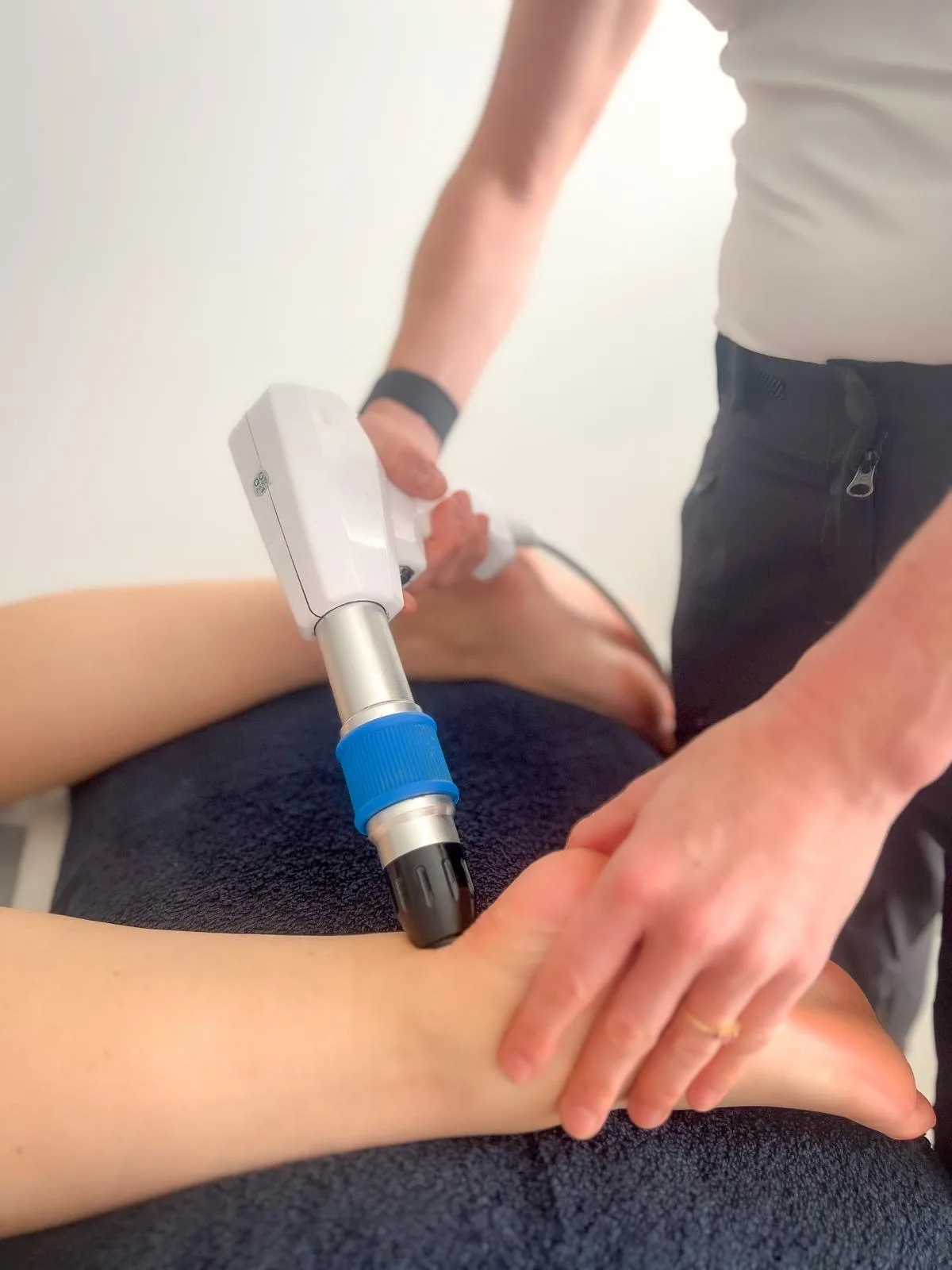
During the session, a handheld device delivers pulses to the affected area. You may feel a deep, targeted discomfort, and the intensity is adjusted to a manageable level. Each session typically lasts around five to ten minutes.
After treatment, mild soreness is common for 24 to 48 hours. Most patients are able to continue normal daily activity without significant disruption.
How Many Sessions Are Needed?
For shoulder conditions, most treatment plans involve three to six sessions, usually spaced one week apart. The exact number depends on:
- The severity of the condition
- How long symptoms have been present
- Your response to the initial sessions
When Will You See Results?
Shockwave therapy is not an instant fix. Some improvement is often noticeable after two to three sessions, with continued progress over several weeks and further gains after the final treatment. This gradual response reflects the biological healing processes being stimulated within the tissue.
Quick Tip: Do not be discouraged if you do not feel an immediate difference after your first session. The healing response builds over time, and many patients see the most significant improvement in the weeks following their final treatment.
Who Is a Good Candidate for Shockwave Therapy?
You may be a suitable candidate if:
- Your shoulder pain has lasted more than three months
- Previous treatments have not produced lasting improvement
- The problem is tendon-related rather than an acute injury
A thorough assessment is essential to confirm suitability and rule out conditions that would not benefit from this approach.
Shockwave Therapy for Shoulder Pain at Costa Health
If you are considering shockwave therapy in Marbella or Mijas, the key factor is not simply access to the treatment, but how it is applied. Effective care should include a clear diagnosis, identification of the underlying cause, and a structured treatment plan tailored to your needs.
Shockwave therapy is a well-supported tool for chronic tendon problems, but it needs to be applied correctly and within a broader rehabilitation framework to achieve the best outcome.
Frequently Asked Questions
Is shockwave therapy painful for the shoulder?
It can be uncomfortable, but the intensity is adjusted to your tolerance. Most patients find it manageable, and any discomfort usually settles quickly after the session.
How many shockwave therapy sessions will I need for shoulder pain?
Most people require between three and six sessions, typically spaced one week apart. The exact number depends on how long the condition has been present and how your body responds to treatment.
How quickly does shockwave therapy work for shoulder pain?
Some patients notice improvement after a few sessions, but results usually develop gradually over several weeks as the healing response builds. Continued improvement is common even after the final session.
Does shockwave therapy work for rotator cuff injuries?
Shockwave therapy can be effective for rotator cuff tendinopathy and chronic shoulder pain. It is less suitable for acute tears or significant structural damage, which is why a proper assessment is important before starting treatment.
Is shockwave therapy safe for the shoulder?
Yes, it is considered a safe treatment when applied correctly by a qualified practitioner. The most common side effects are mild soreness or temporary redness in the treated area.
Can I continue exercising after shockwave therapy?
In most cases, yes. You may be advised to modify the intensity of certain activities temporarily, but staying active is generally encouraged alongside treatment.
When should I consider shockwave therapy for shoulder pain?
It is typically recommended when pain has lasted longer than three months and has not improved with rest, exercise, or other conservative treatments. A clinical assessment will confirm whether it is the right option for you.