Shockwave Therapy in Marbella and Mijas: What It Treats, How It Works, and Whether It Is Right for You
In This Article
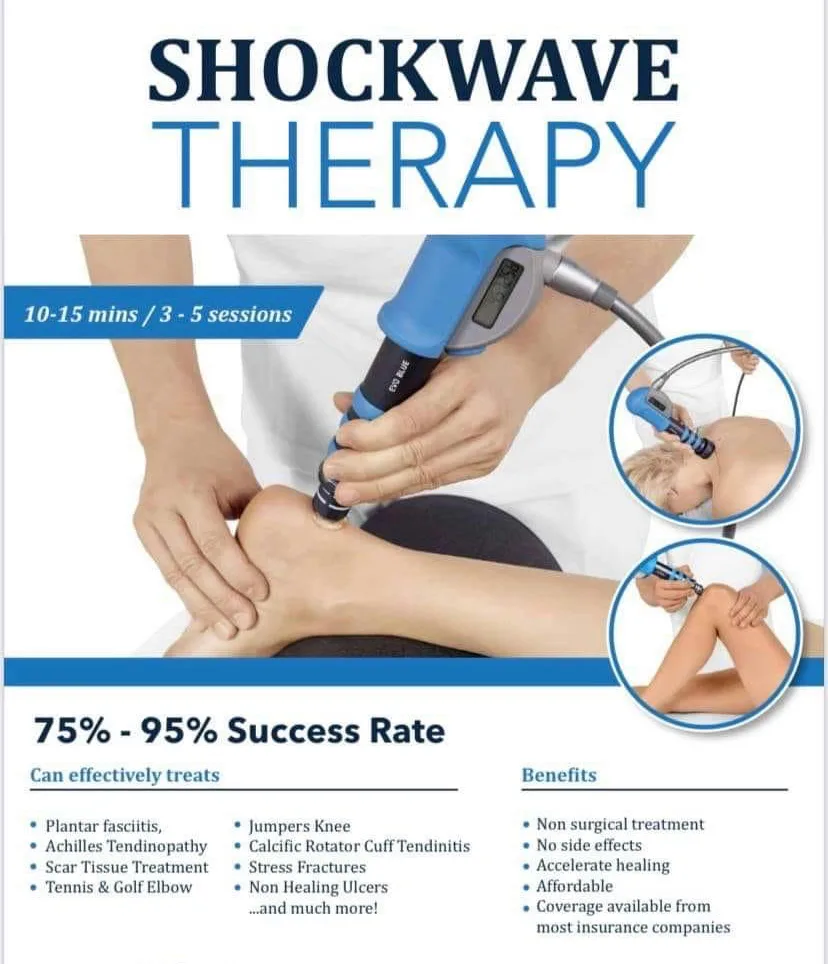
If you are searching for shockwave therapy in Marbella or Mijas, there is a strong chance you have been dealing with pain that simply has not resolved. You may have tried rest, massage, stretching, or even other treatments, yet the problem keeps returning.
Shockwave therapy is often used in exactly these situations. It is designed for stubborn, long-standing conditions where the body has stopped healing effectively. This article explains what shockwave therapy is, what it can help with, and whether it is the right option for you.
What Is Shockwave Therapy?
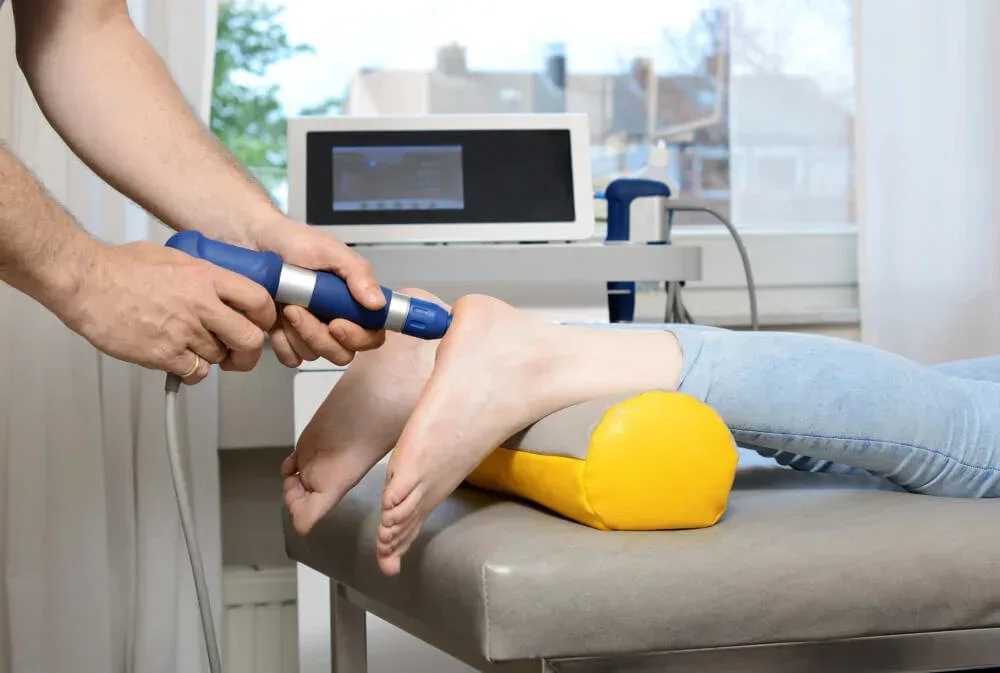
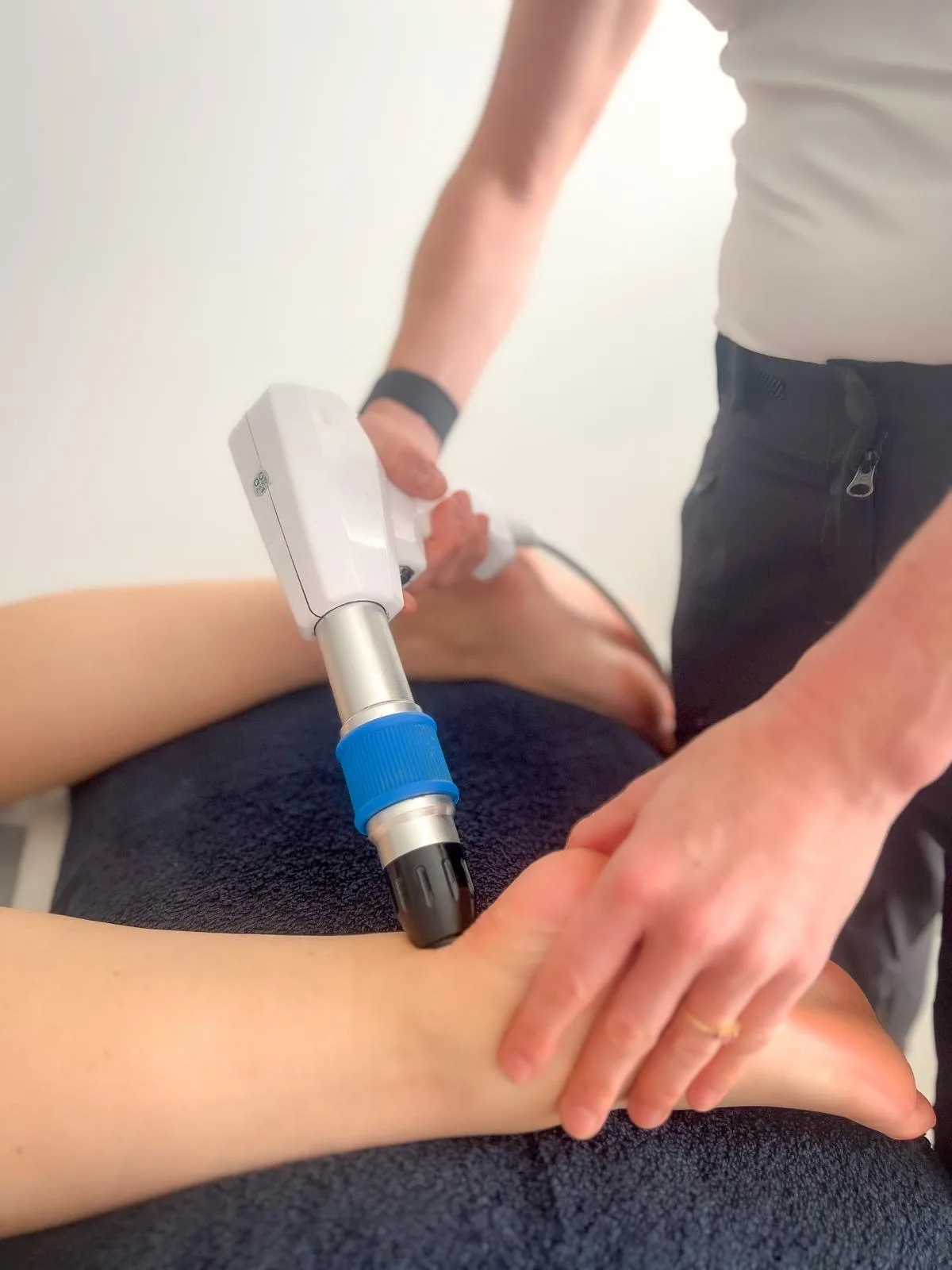
Shockwave therapy is a non-invasive treatment that uses acoustic energy to stimulate healing in damaged tissue. Rather than masking pain, it targets the underlying tissue to encourage the body to repair itself.
In practical terms, it works by:
- Increasing blood flow to the affected area
- Stimulating cellular repair
- Breaking down chronic scar tissue or calcification
- Re-activating the body’s natural healing response
It is most commonly used for chronic tendon-related conditions rather than acute injuries.
What Conditions Can Shockwave Therapy Treat?
Shockwave therapy is particularly well suited to persistent, slow-to-heal conditions. Below are the most common presentations seen at our clinic.
Plantar Fasciitis
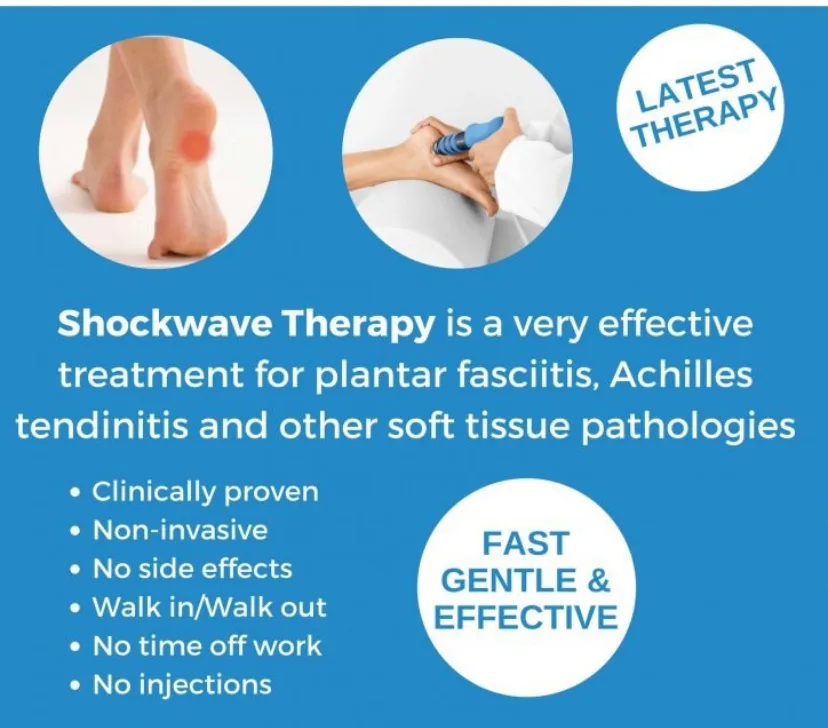
This is one of the most frequent reasons people seek shockwave therapy in Marbella and Mijas. Typical symptoms include heel pain first thing in the morning, discomfort after periods of rest, and long-term pain that has not improved with conventional measures. Shockwave therapy is often considered when symptoms have been present for several months.
Tennis Elbow and Golfer’s Elbow
Persistent elbow pain can be frustrating, particularly when it limits training or daily work. Shockwave therapy targets the degenerative tendon tissue directly, rather than simply providing short-term relief.
Shoulder Tendinopathy
This includes conditions such as rotator cuff-related pain. Patients often report pain when lifting the arm, discomfort when sleeping on the affected shoulder, and ongoing restriction despite completing exercise programmes. Shockwave therapy can help stimulate recovery in tissue that has become stuck in a chronic state.
Achilles Tendinopathy
A common issue for runners and active individuals across the Costa del Sol. Symptoms typically include stiffness in the tendon, pain during or after activity, and a gradual worsening over time. When rehabilitation exercises alone have not been sufficient, shockwave therapy is often a logical next step.
What Does Shockwave Therapy Feel Like?
This is one of the most common concerns for people considering the treatment for the first time.
During the session: You will feel a series of pulses delivered to the affected area. The intensity can be adjusted depending on your tolerance, and some discomfort is normal, particularly in sensitive or inflamed tissue.
After the session: Mild soreness for 24 to 48 hours is common and is a normal part of the tissue response. Most people are able to continue their normal activities with minimal restriction.
Quick Tip: Avoid anti-inflammatory medication in the 48 hours following shockwave therapy. The treatment works partly by triggering an inflammatory healing response, and suppressing this may reduce its effectiveness.
How Many Sessions Are Needed?
Most treatment plans involve three to six sessions, typically spaced one week apart. The exact number depends on the condition being treated, how long it has been present, and your overall health and activity level. Your clinician will give you a clearer indication following your initial assessment.
Who Is a Good Candidate for Shockwave Therapy?
Shockwave therapy is generally most effective for people who:
- Have had pain for more than three months
- Have not responded adequately to rest or standard treatment
- Are dealing with a tendon-related condition
It is not usually the first step for acute injuries. It is better understood as a targeted approach for chronic problems where the body’s natural healing process has stalled.
Quick Tip: If you are unsure whether your condition qualifies, a proper clinical assessment is the most reliable way to find out. Not every tendon problem is the same, and treatment should always be guided by a clear diagnosis.
What Results Can You Expect?
Shockwave therapy is not an instant fix, but it can be highly effective when used appropriately. Most patients experience gradual improvement over several weeks, with continued progress even after the final session. The goal is reduced pain and improved function over the medium term.
It is worth noting that not every case responds, and part of a thorough assessment is determining whether you are likely to benefit before committing to a course of treatment.
Shockwave Therapy at Costa Health, Mijas
If you are considering shockwave therapy in Marbella or Mijas, the key factor is not just the treatment itself, but how it is applied. Effective treatment should include a clear diagnosis, identification of the underlying cause, and integration with rehabilitation where appropriate.
Shockwave therapy works best as part of a structured plan rather than a standalone procedure. At Costa Health, assessments are thorough and treatment is tailored to your specific situation, ensuring the approach is appropriate before any course of treatment begins.
Frequently Asked Questions
Is shockwave therapy painful?
It can be uncomfortable, but the intensity is fully adjustable. Most patients tolerate it well, and the sensation typically eases as the session progresses. Your clinician will work within your comfort level throughout.
Does shockwave therapy really work?
There is strong clinical evidence supporting shockwave therapy for specific conditions, particularly chronic tendon problems such as plantar fasciitis, Achilles tendinopathy, and lateral epicondylitis. Results vary between individuals, which is why a proper assessment is important before starting treatment.
How quickly will I see results?
Some people notice improvement within a few sessions, but full results often develop over several weeks following the completion of treatment. The healing process continues after the sessions have ended, so patience is important.
Is shockwave therapy right for me?
If you are dealing with persistent pain that has not improved with rest or other treatments, shockwave therapy may be a suitable option. The first step is a proper assessment to determine whether your condition is appropriate, identify the underlying cause, and establish how shockwave therapy fits into a broader recovery plan. If you are based in Marbella or Mijas, contact Costa Health to arrange an assessment and discuss your options.