How Many Shockwave Therapy Sessions Do You Need? A Guide for Patients in Marbella and Mijas

In This Article
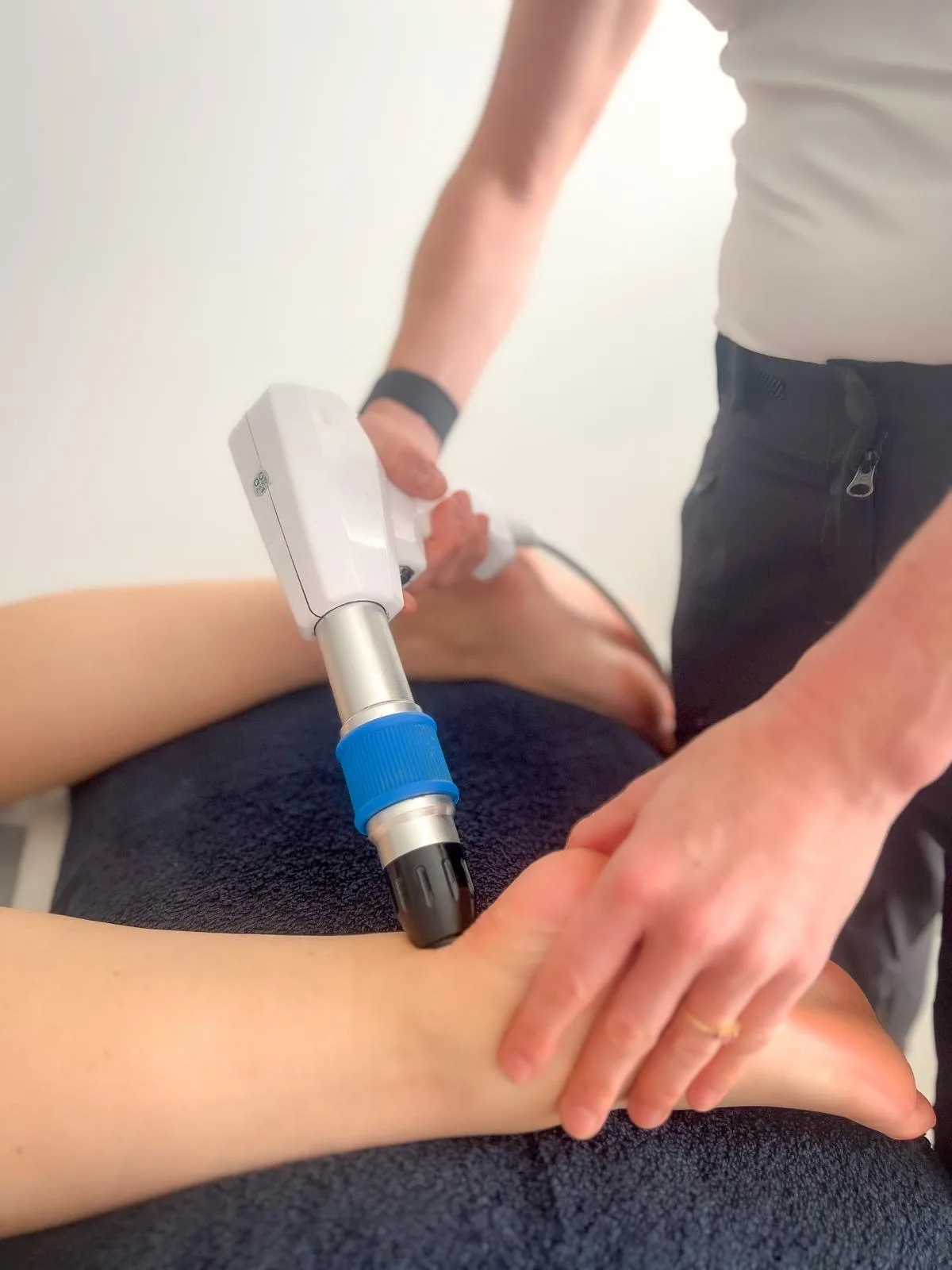
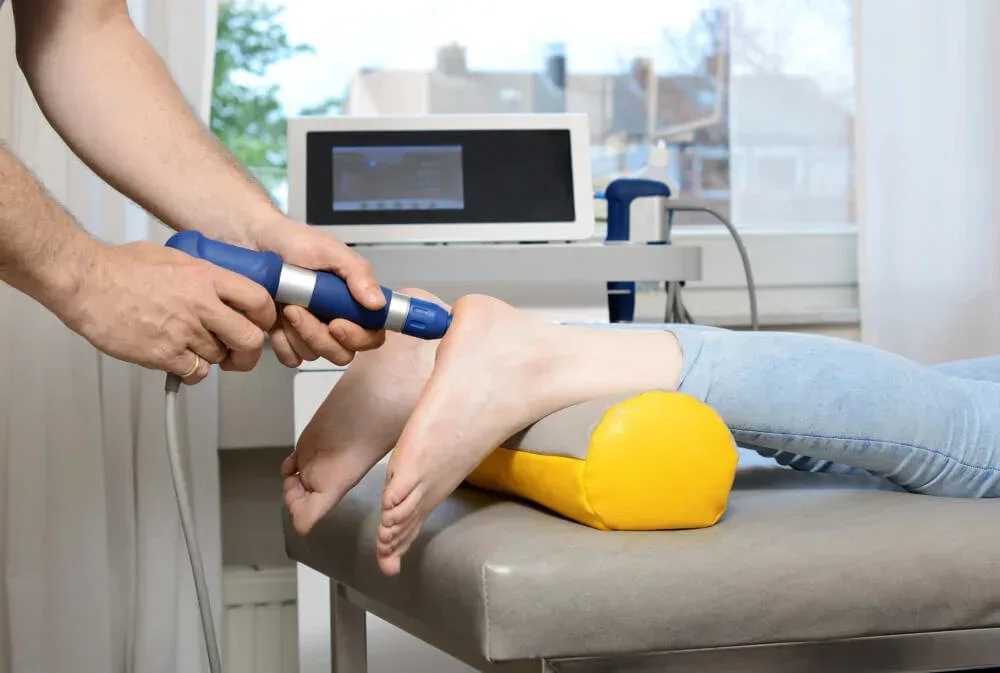
One of the most common questions people ask before starting treatment is straightforward: how many shockwave therapy sessions will I need? If you are considering shockwave therapy in Marbella or Mijas, the answer depends on several factors, including your condition, how long it has been present, and how your body responds to treatment. This guide explains what to expect so you can make an informed decision.
What Does a Typical Shockwave Therapy Treatment Plan Look Like?
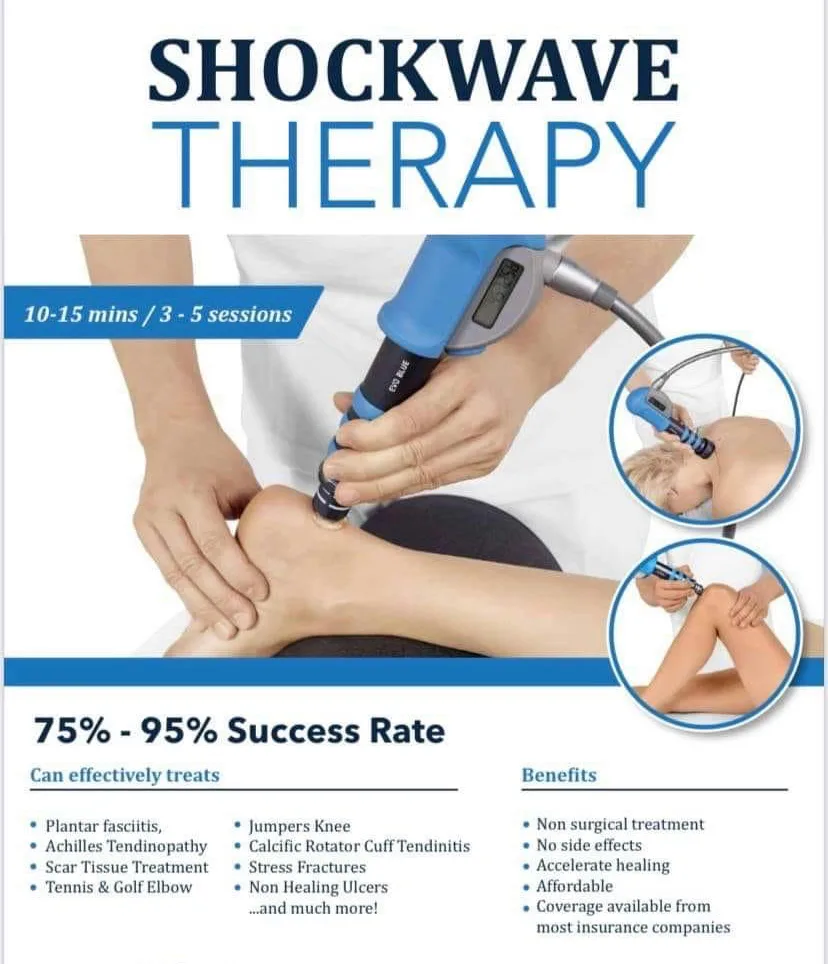
For most chronic conditions, a standard approach involves three to six sessions, delivered once per week. This structure allows time for your body to respond between treatments while maintaining momentum in the healing process.
Why Are Multiple Sessions Needed?
Shockwave therapy is not a quick fix. It stimulates a biological response in the tissue, which includes increased blood flow, activation of repair mechanisms, and gradual improvement in tissue quality. These processes take time, which is why treatment is delivered as a course rather than a single session.
What Affects the Number of Sessions You Need?
1. How Long You Have Had the Problem
Longer-standing conditions often require more sessions because the tissue has been affected over a greater period. A problem that has persisted for months or years will generally take longer to respond than one that developed more recently.
2. The Type of Condition
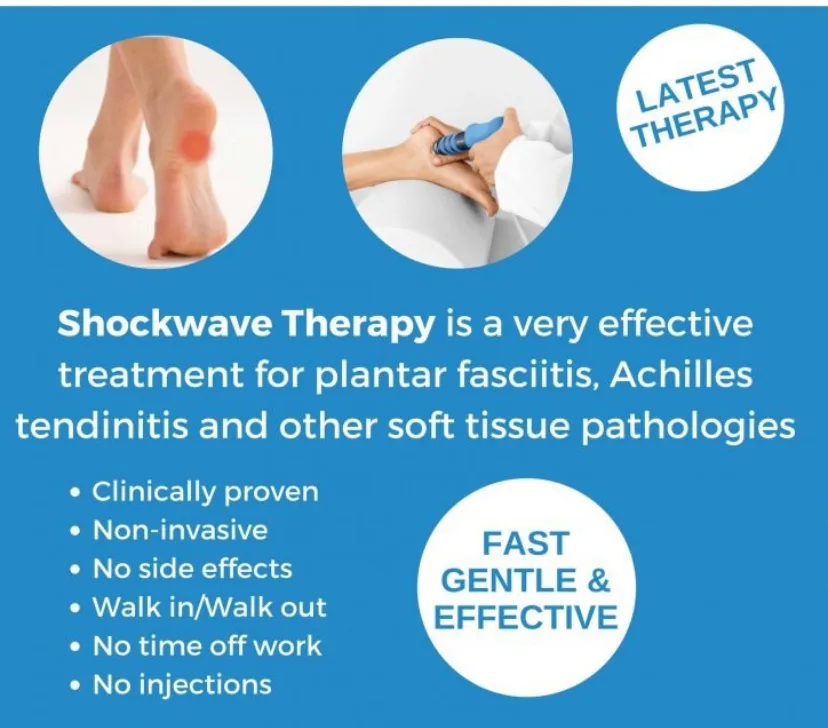
Different conditions respond at different rates. For example, plantar fasciitis often responds well within a few sessions, while Achilles or shoulder tendinopathy may take slightly longer to show consistent improvement.
3. Severity of Symptoms
More severe pain or significant tissue changes may require a longer treatment plan. Your clinician will assess this during your initial consultation.
4. Your Activity Level
If you continue to place heavy load on the affected area during treatment, progress may be slower unless this is managed appropriately alongside your sessions.
Quick Tip: Be honest with your clinician about your activity levels during treatment. Adjusting load and movement patterns alongside shockwave therapy can significantly improve your results.
When Will You Start to Notice Improvement?
Most patients follow a broadly similar pattern of progress:
- After 1 to 2 sessions: Slight changes may be noticed, but improvement is often minimal at this stage.
- After 2 to 3 sessions: Early signs of improvement typically begin to emerge.
- After completing the course: More noticeable and consistent progress is usually seen.
It is worth knowing that improvement often continues even after your final session, as the tissue continues to remodel and heal in the weeks that follow.
What Happens If You Stop Too Early?
Stopping treatment before completing the recommended course can limit your results. Even if symptoms begin to improve after a couple of sessions, the tissue may not be fully healed and the problem may return under load. Completing the recommended plan gives you the best chance of long-term improvement.
Do You Always Need Six Sessions?
No. Not everyone requires the maximum number of sessions. Some patients improve with three or four sessions, while others may need additional support depending on their condition and response to treatment. The key is adjusting the plan based on how you are progressing.
Is More Treatment Always Better?
Not necessarily. Shockwave therapy should be targeted, monitored, and adjusted based on progress. Continuing treatment beyond what is clinically indicated does not improve outcomes.
Should Shockwave Therapy Be Combined With Other Treatment?
In most cases, yes. Better results are generally seen when shockwave therapy is combined with rehabilitation exercises, load management, and addressing any underlying causes contributing to the problem. Shockwave therapy works best as part of a structured plan rather than in isolation.
Quick Tip: Ask your clinician about rehabilitation exercises you can do between sessions. Active participation in your recovery tends to produce better outcomes than passive treatment alone.
Personalised Care in Marbella and Mijas
If you are considering shockwave therapy in Marbella or Mijas, the most important factor is not simply how many sessions you have, but how well the treatment is tailored to your specific situation. A thorough assessment should determine whether shockwave therapy is appropriate for you, how many sessions you are likely to need, and what additional treatment may be required to support your recovery.
If you are dealing with a long-standing issue and would like to find out more, the first step is arranging an assessment so that a clear and personalised treatment plan can be put in place.
Frequently Asked Questions
Can I have more than one session per week?
In most cases, sessions are spaced one week apart to allow the tissue adequate time to respond. More frequent treatment is not usually necessary and is unlikely to improve outcomes.
What happens if I miss a session?
Missing a session is not a major problem, but consistency throughout the course tends to produce better results. If you need to reschedule, aim to keep the gap as short as reasonably possible.
Can I stop once the pain improves?
It is generally advisable to complete the recommended course even if your pain has reduced. Stopping early can increase the risk of the problem returning, particularly once you resume normal activity levels.
Do all conditions require the same number of sessions?
No. The number of sessions varies depending on the condition, how long it has been present, and how the individual responds to treatment. Your clinician will advise on the most appropriate plan for your situation.
Will I need maintenance sessions after completing treatment?
Most people do not require ongoing maintenance sessions. Whether further treatment is needed depends on the underlying cause of the problem and your activity level going forward.