The Best Exercises for Back Pain

In This Article

Back pain exercises can help, but the safest choice depends on your symptoms, your health history and how your body responds to movement. This guide explains which types of exercise are often useful, what to avoid, and when to get checked before trying to manage back pain on your own.
Need help with back pain, neck pain or sciatic pain?
If symptoms are new, severe or changing, a clinical assessment is the safest starting point. Our Back Pain, Neck Pain and Sciatica Clinic explains how Costa Health screens back pain, neck pain and sciatica, including when urgent medical care, imaging or specialist review may be needed.
First: when not to exercise through back pain
Do not try to push through severe, worsening or unusual back pain. Seek urgent medical help if back pain is linked with:
- New bladder or bowel changes, including difficulty peeing or loss of control
- Numbness around the genitals, anus or saddle area
- Pain, tingling, weakness or numbness in both legs
- Chest pain, fever, feeling very unwell or unexplained weight loss
- Severe pain that starts suddenly, gets worse quickly or follows a serious accident
If you are in Spain and symptoms feel urgent, call 112 or go to emergency care. If symptoms are not an emergency but they are not improving, are stopping normal activities, or you are worried, book a clinical assessment.
What current guidance says
NHS back pain guidance advises staying active, avoiding long periods in bed, and stopping exercises that make pain worse. NICE guidance for low back pain and sciatica supports tailored advice, normal activity where possible, exercise programmes, and manual therapy only as part of a broader treatment package that includes exercise.
That means the best exercise is not one magic stretch. It is the right level of movement for your symptoms, your stage of recovery and your goals.
How to choose a safe starting point
Use these simple rules when choosing back pain exercises:
- Start easier than you think you need to.
- Choose movements that feel controlled, not forced.
- Keep symptoms in a tolerable range during and after movement.
- Stop if pain becomes sharp, spreads further down the leg, or keeps worsening.
- Progress gradually rather than jumping straight back into heavy training.
Quick Tip: Mild stiffness or effort can be normal. Pain that steadily increases, causes new leg symptoms, or does not settle after you stop is a reason to reduce the exercise or get assessed.
1. Walking and gentle daily movement
For many people, walking is one of the safest ways to keep moving with back pain. It helps reduce stiffness, keeps you active and can be easier to control than gym exercises.
Start with short, comfortable walks. If walking increases leg pain, numbness or weakness, stop and seek advice.
2. Gentle back mobility
Simple mobility exercises can help when the back feels stiff or guarded. Useful options may include:
- Cat-cow: gentle spinal flexion and extension on hands and knees.
- Knee rolls: lying on your back and letting the knees move side to side in a comfortable range.
- Pelvic tilts: gently flattening and releasing the lower back against the floor.
These should feel smooth and easy. They should not feel like a test of flexibility.
3. Hip and glute strength
The hips and glutes help share load with the lower back. When appropriate, exercises such as bridges, sit-to-stand practice, step-ups or gentle band work can help rebuild support.
If bridges or step-ups increase back pain, reduce the range, slow down, or swap to an easier movement until you have been assessed.
4. Core control, not aggressive core training
Core work can help some back pain, but harder is not always better. Early on, the aim is usually control and confidence, not maximum effort.
Bird-dog variations, dead-bug variations and modified side planks can be useful when they are matched to the person. Full planks, sit-ups or intense abdominal circuits may be too much during a flare-up.
5. Yoga and Pilates, with sensible modifications
Yoga and Pilates may help some people with back pain because they combine movement, strength, breathing and body awareness. The important word is modified. Deep twists, strong back bends or long holds are not automatically better.
If a class leaves you more painful for the rest of the day, it may need adapting. A clinician or instructor with experience in back pain can help you choose safer options.
Exercises to be careful with
During a flare-up, be cautious with heavy lifting, fast twisting, deep loaded bending, high-impact exercise, aggressive stretching, or any movement that sends pain further down the leg.
This does not mean these movements are always bad. It means they may need to be reintroduced gradually once symptoms are calmer and your body is ready.
When Costa Health can help
A clinical assessment is useful if you are unsure what is safe, if pain keeps returning, or if symptoms involve the leg, pins and needles, weakness, or fear of movement.
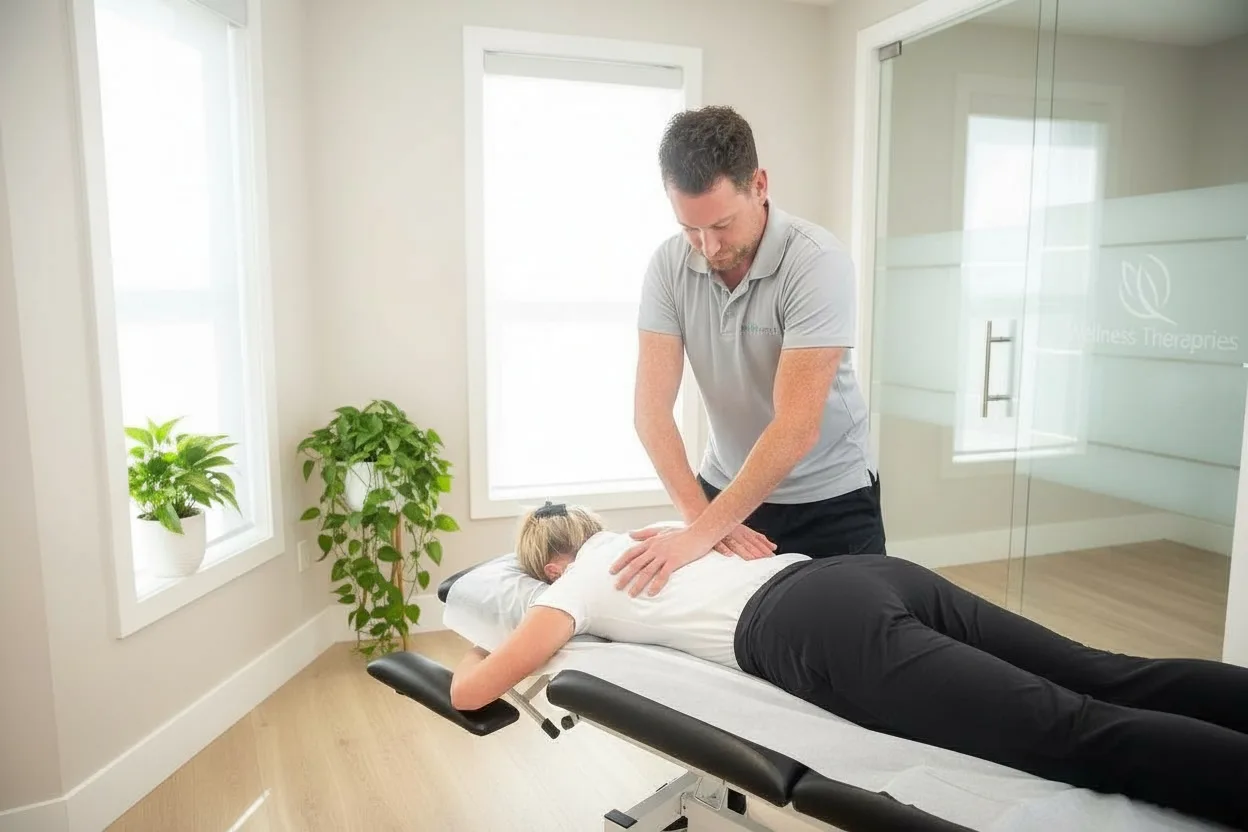
At Costa Health, your clinician can screen for red flags, check how your back and hips move, test nerve signs where appropriate, and build a plan that may include exercise, manual therapy, activity advice and progression back to normal life or sport.
References and guidance
Related Costa Health guides
- Back Pain, Neck Pain and Sciatica Clinic
- Back Pain
- Why Does My Lower Back Hurt in the Morning?
- Should I Rest or Keep Moving?
Frequently asked questions
What is the best exercise for back pain?
There is no single best exercise for everyone. Walking, gentle mobility, hip and glute strengthening, and modified core work can all help, but the safest choice depends on your symptoms and how your pain responds.
Should I rest or keep moving with back pain?
For many people, gentle movement and normal daily activity are better than long periods in bed. Short-term rest can help during a severe flare-up, but prolonged rest often increases stiffness and slows return to normal activity.
When should I stop back pain exercises?
Stop if pain becomes sharp, steadily worsens, spreads further down the leg, causes new numbness or weakness, or does not settle after you stop. These are signs that the exercise may not be right for you at that stage.
Can exercise make back pain worse?
Yes, if the exercise is too intense, poorly matched to your symptoms, or progressed too quickly. This is why back pain exercise should start gently and be adjusted according to your response.
Do I need a scan before doing exercises?
Usually not. NICE guidance says imaging is not routinely needed for low back pain or sciatica in non-specialist settings. Imaging is most useful when the result is likely to change management or when serious pathology is suspected.
Who should assess my back pain?
A chiropractor, physiotherapist, osteopath or doctor may be appropriate depending on your symptoms. If you are unsure, Costa Health can help direct you to the right clinician for assessment.