
Why Does Your Lower Back Feel Stiff After Sitting Too Long?

In This Article
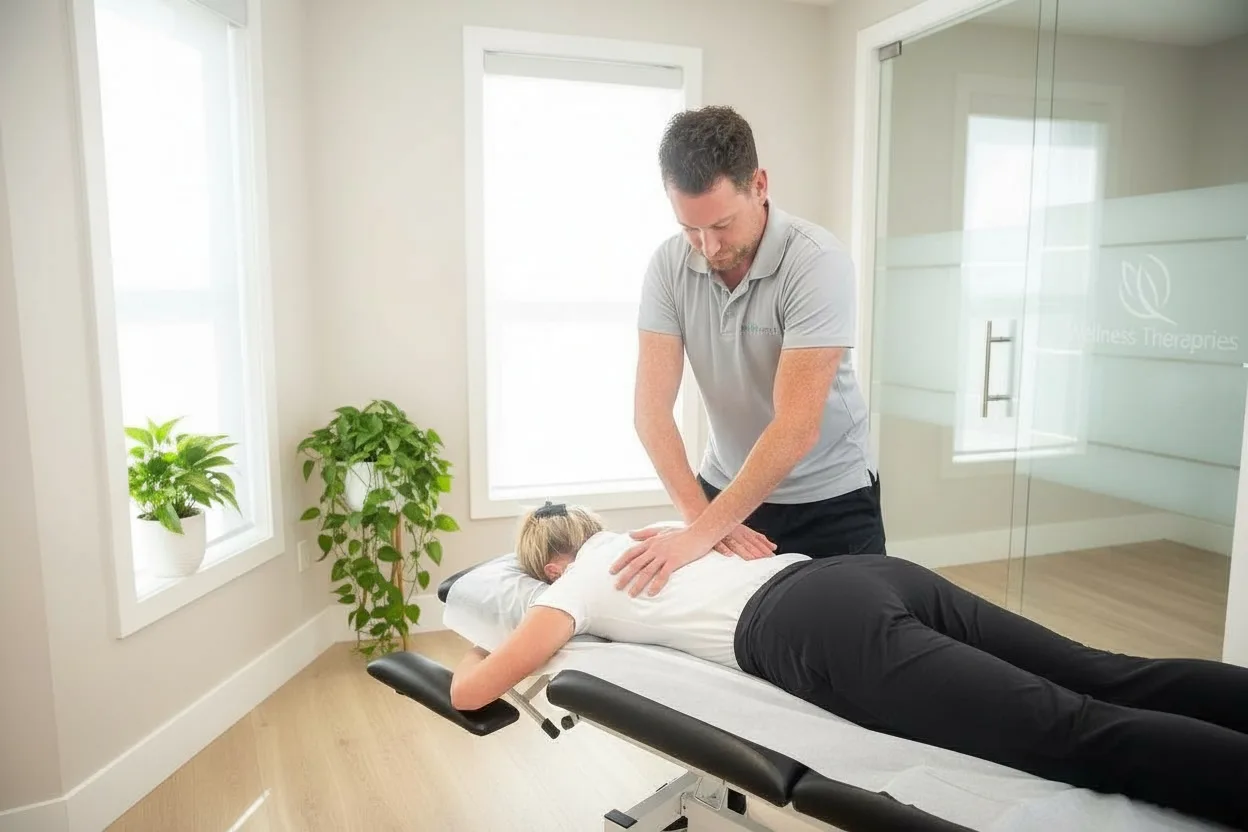
If you’ve ever stood up after sitting for a while and felt that dull ache or stiffness in your lower back, you’re not alone. It’s one of the most common complaints we see in clinic, particularly among people who spend long periods sitting at a desk, driving, or working on a laptop.
The reassuring news is that in most cases, this type of stiffness is not a sign of serious injury.
Why Does Sitting Cause Lower Back Stiffness?
Your body is designed to move. When you stay in one position for too long, particularly sitting, several things can happen:
- The muscles around your lower back become fatigued
- The joints in the spine begin to stiffen
- Blood flow and circulation reduce slightly
- The body starts to feel restricted or “locked”
When you then stand up, the body needs a moment to readjust, which is why you often feel stiff or uncomfortable at first. This is not usually a sign of damage, but rather a response to prolonged stillness.
The Key Issue: Load and Movement
Lower back discomfort is often less about a single structural problem and more about how the body manages load over time.
Sitting itself is not harmful. The problem is remaining in the same position for too long without variation. Your body tolerates movement far better than sustained stillness, and small changes in position throughout the day can make a considerable difference to how your back feels.
3 Simple Ways to Reduce Lower Back Stiffness
1. Change Position Regularly
Try not to sit for extended periods without a break. Standing up, stretching, or walking for a minute or two every 30 to 40 minutes can help reduce stiffness and allow the body to reset.
Quick Tip: Set a gentle reminder on your phone or computer to prompt you to stand up and move every 30 to 40 minutes, especially during long working sessions.
2. Add Small Amounts of Movement Into Your Day
You don’t need a full workout to feel better. Simple activities such as walking, gentle spinal rotations, or light mobility exercises throughout the day can improve circulation and reduce tension. Consistency matters far more than intensity here.
3. Don’t Wait for Pain Before You Move
Many people only change position once they start to feel uncomfortable. A more effective approach is to build regular movement into your routine before stiffness develops. This helps prevent the build-up of tension in the first place.
Quick Tip: A short walk at lunchtime, even just 10 minutes, can significantly reduce the cumulative stiffness that builds up during a long day at a desk.
When Should You Seek Professional Advice?
This type of stiffness is very common and usually not a cause for concern. However, it is worth seeking professional advice if:
- The pain is persistent or getting worse over time
- It is affecting your daily activities or sleep
- You experience pain travelling down one or both legs
- There is no improvement despite making lifestyle changes
These symptoms may indicate something that warrants a more thorough assessment from a chiropractor or physiotherapist.
A Note for Those on the Costa del Sol
Lower back stiffness after sitting is extremely common, particularly with the demands of modern working life. In most cases, it comes down to the body needing more regular movement rather than anything being structurally wrong.
Small, consistent changes in how you move throughout the day can have a significant impact on how your back feels over time.
If you are based in Marbella, Mijas, or anywhere along the Costa del Sol and would like personalised advice on managing back pain or stiffness, our team at Costa Health would be happy to help. Feel free to get in touch or speak with one of our practitioners.
Frequently Asked Questions
Is lower back stiffness after sitting serious?
In most cases, no. Lower back stiffness after prolonged sitting is very common and is usually the body’s response to a lack of movement rather than a sign of injury or damage. However, if the pain is persistent, worsening, or accompanied by symptoms such as leg pain or numbness, it is worth seeking a professional assessment.
How often should I take a break from sitting?
A general guideline is to stand up and move for at least a minute or two every 30 to 40 minutes. Even small changes in position can help reduce the build-up of stiffness and fatigue in the lower back muscles and joints.
What exercises help with lower back stiffness from sitting?
Gentle movements such as walking, light spinal rotations, and basic mobility exercises can be very effective. You don’t need an intensive workout - short, regular bouts of movement throughout the day tend to be more beneficial than a single long session. A chiropractor or physiotherapist can recommend specific exercises tailored to your needs.
When should I see a chiropractor or physiotherapist for lower back stiffness?
If your stiffness is not improving with regular movement, is affecting your daily life or sleep, or is accompanied by pain radiating down the leg, it is a good idea to book an assessment. A practitioner can identify any underlying issues and provide a tailored plan to help you recover and prevent recurrence.