When Pain Keeps Coming Back: Looking Beyond the Painful Area

In This Article

When pain keeps coming back, the problem is often wider than the spot that hurts. Recurrent back, neck, shoulder or joint pain can be maintained by stiffness elsewhere, movement habits, lifestyle and how the nervous system is coping. Looking beyond the painful area can help move from short-term relief towards a more stable, personalised plan for improvement.
When pain keeps returning
Many patients recognise the same frustrating pattern: the pain settles for a while, then returns, often in exactly the same place.
The back becomes painful again. The neck tightens again. The shoulder starts aching again. The same hip, knee or foot problem reappears, sometimes after very ordinary activities such as a day at work, a long drive along the Costa del Sol or a walk on uneven ground.
When this happens, it is natural to focus on the painful area. If the lower back hurts, everyone looks at the lower back. If the shoulder hurts, attention stays on the shoulder. Sometimes this is enough, especially after a clear injury or strain.
However, when pain keeps returning, the painful area may not be the whole story.
Pain as the end result, not the starting point
Pain is often the final expression of a wider pattern in the body. The area that hurts may be where the body is struggling to cope, but not necessarily where the underlying problem begins.
At Costa Health in Riviera del Sol, our clinicians frequently see patterns such as:
- Recurrent low back pain influenced by hip stiffness, prolonged sitting or driving, weak gluteal muscles, poor sleep, stress-related muscle tension or altered movement habits.
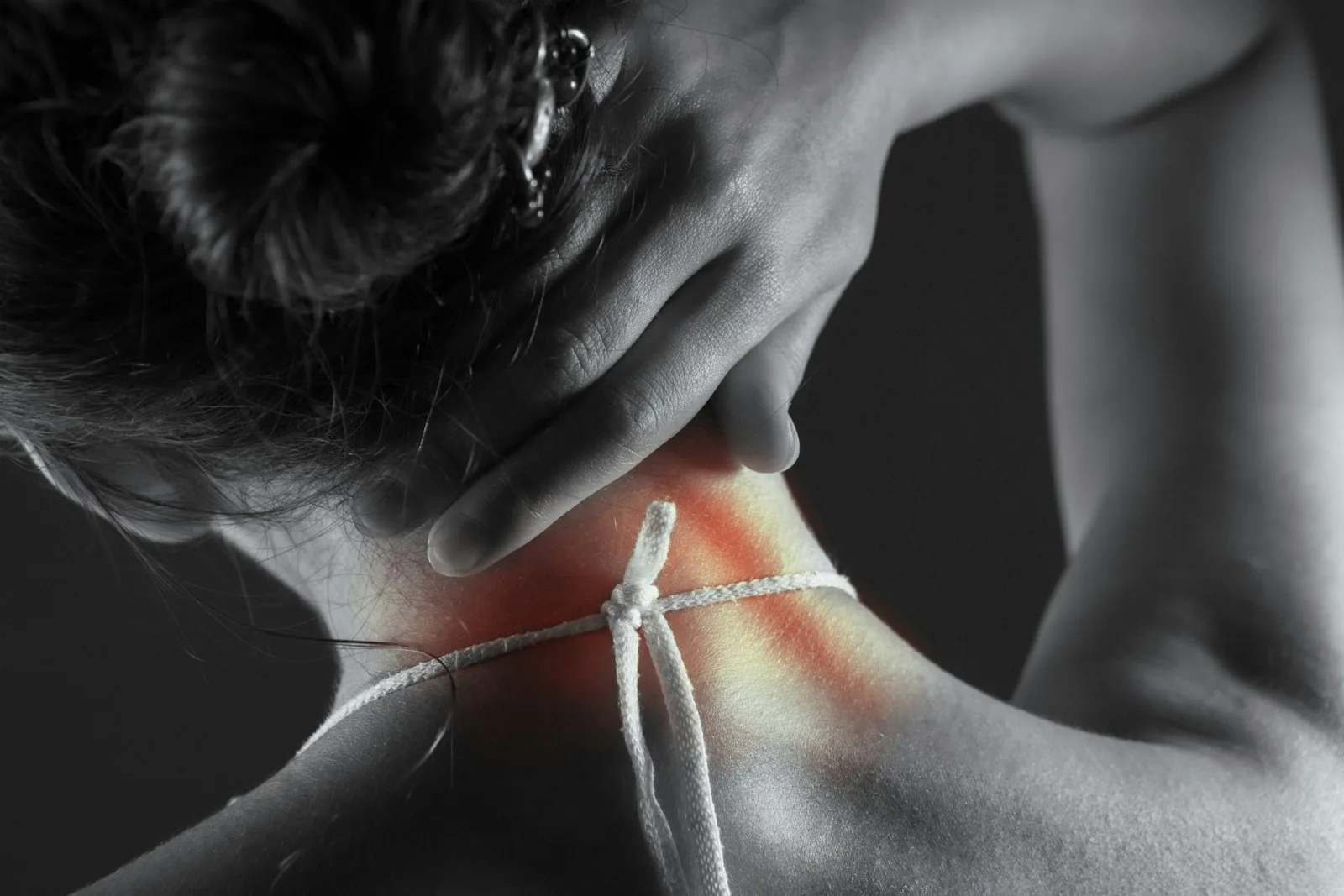
- Neck and shoulder pain connected to jaw tension, breathing patterns, screen posture, stiffness in the upper back (thoracic spine), stress or increased sensitivity of the nervous system.
- Knee pain affected by foot mechanics, hip and pelvic control, previous injuries or the way a person walks, runs or climbs stairs during daily life.
If these contributing factors are not identified, treatment aimed only at the painful spot may provide temporary relief, but the same pattern is likely to return.
Quick Tip: When you notice pain returning, jot down what you were doing in the 24 hours before it started. This can give your clinician useful clues about movement, posture or activities that may be maintaining the pattern.
Why painkillers alone are rarely enough
Conventional medical care is essential for diagnosis, investigations, decisions about medication and referral when needed. Painkillers, anti-inflammatory medication and imaging such as X ray or MRI can play an important role, particularly in excluding serious causes of pain.
However, in everyday practice, persistent or recurrent pain is often managed mainly with tablets and scans. These steps may reduce symptoms or rule out worrying conditions, but they do not always explain why the pain keeps coming back or what is maintaining it.
Without addressing factors such as movement patterns, strength, stiffness, stress, sleep and general health, it is common for symptoms to flare up again when medication is reduced or normal activities resume.
Seek urgent medical help if: your pain is sudden and severe, follows a significant fall or accident, is associated with chest pain, breathing difficulty, loss of bladder or bowel control, numbness in the saddle area, weakness in the arms or legs, unexplained weight loss, fever or feeling very unwell. These can be signs of more serious conditions that need immediate medical assessment.
Where doctor-led pain management adds value
This is where doctor-led pain management can be especially helpful, particularly when pain is persistent, recurrent or does not respond as expected to standard treatment.
At Costa Health, Dr Istvan Lukacs assesses recurrent pain from a wider medical and functional perspective. As a Western-trained medical doctor with additional university-level therapeutic training and more than 15 years of experience with complex pain and functional cases, he combines medical assessment, clinical reasoning and hands-on treatment.
Looking for the pattern, not just the painful point
During a consultation, the focus is not only on where it hurts today. Dr Lukacs will usually explore:
- How and when the pain started, and what has changed since then.
- Previous injuries or operations that may still be influencing your movement.
- Your work set-up, driving habits and regular activities around the Costa del Sol.
- Sleep, stress levels and general health, which can all affect how the nervous system processes pain.
- How different areas of the body move together during simple tasks such as bending, walking or reaching.
The aim is to understand why the pattern keeps repeating, not only to confirm which structure is sore.
Treatment options: more than one tool
Depending on the findings and your overall health, treatment may include a combination of:
- Manual techniques to address stiffness, improve joint function and ease muscular tension.
- Dry needling for specific myofascial trigger points, where appropriate.
- Therapeutic laser to support tissue healing and help with pain control in selected cases.
- Supportive collagen-based approaches when suitable, as part of broader tissue support.
- Movement and posture guidance tailored to your work, hobbies and home life.
- Lifestyle recommendations relating to sleep, stress management and pacing of activity.
- An individualised treatment plan that can sit alongside physiotherapy, chiropractic care or sports massage when needed.
This doctor-led approach does not replace physiotherapy, rehabilitation or conventional medical care. In many cases, these approaches work best together as a coordinated plan.
Quick Tip: Bring a list of previous scans, diagnoses and treatments to your assessment. Knowing what has already been tried can help your clinician avoid repeating the same short-term strategies and focus instead on what might change the longer-term pattern.
Asking a better question: why does this keep happening?
When pain comes back again and again, the key question is not only: “Where does it hurt?”
A more useful question is: “Why does this pattern keep repeating?”
Exploring this usually means looking at the whole person, not just one joint or muscle. For many patients, identifying and addressing the maintaining factors helps shift the focus from chasing flare ups to building a safer, more personalised plan for long-term improvement.
If recurrent pain is affecting your work, sleep or enjoyment of life on the Costa del Sol, a thorough assessment that looks beyond the painful area may be an important next step.
Frequently Asked Questions
Why does my pain keep coming back in the same place?
Pain often returns to the same area because the underlying pattern has not fully changed. The painful spot is usually where your body is struggling the most, not necessarily where the problem started. Factors such as stiffness in nearby joints, muscle weakness, previous injuries, stress, sleep quality and movement habits can all maintain symptoms. If these are not identified and addressed, pain may keep flaring up even after short-term relief.
Is it enough to treat only the area that hurts?
Sometimes, especially after a simple strain, treating the painful area is enough. However, if pain is persistent or keeps returning, focusing only on the sore spot often brings temporary improvement without changing the overall pattern. A more effective approach is to assess how the whole body is working, including posture, movement, strength, previous injuries and lifestyle factors that may be contributing to the problem.
What is different about doctor-led pain management?
Doctor-led pain management adds a medical perspective to musculoskeletal care. A doctor such as Dr Istvan Lukacs can review your medical history, medications and investigations, rule out worrying causes of pain, and consider how different health factors fit together. At the same time, he uses hands-on techniques and functional assessment to look at movement patterns and tissue health. This combination can be particularly helpful in complex, long-lasting or recurrent pain cases.
Do I still need physiotherapy or other treatments?
In many cases, yes. Doctor-led pain management does not replace physiotherapy, rehabilitation, chiropractic care or sports massage. Instead, it can help clarify the diagnosis, identify maintaining factors and create a clearer plan, so that other treatments are used in a more focused way. Many patients benefit from a combined approach, where medical input, hands-on therapy and targeted rehabilitation support each other.
When should I be concerned about my pain?
You should seek urgent medical help if your pain is sudden and severe, follows a significant fall or accident, is associated with chest pain, breathing problems, loss of bladder or bowel control, numbness in the saddle area, marked weakness, unexplained weight loss, fever or feeling very unwell. These can be warning signs of more serious conditions. If you are unsure, it is always safer to speak to a doctor or attend an emergency service rather than waiting to see if symptoms settle.