Golfer’s Elbow in Marbella and Mijas: Causes, Treatment and Prevention
In This Article
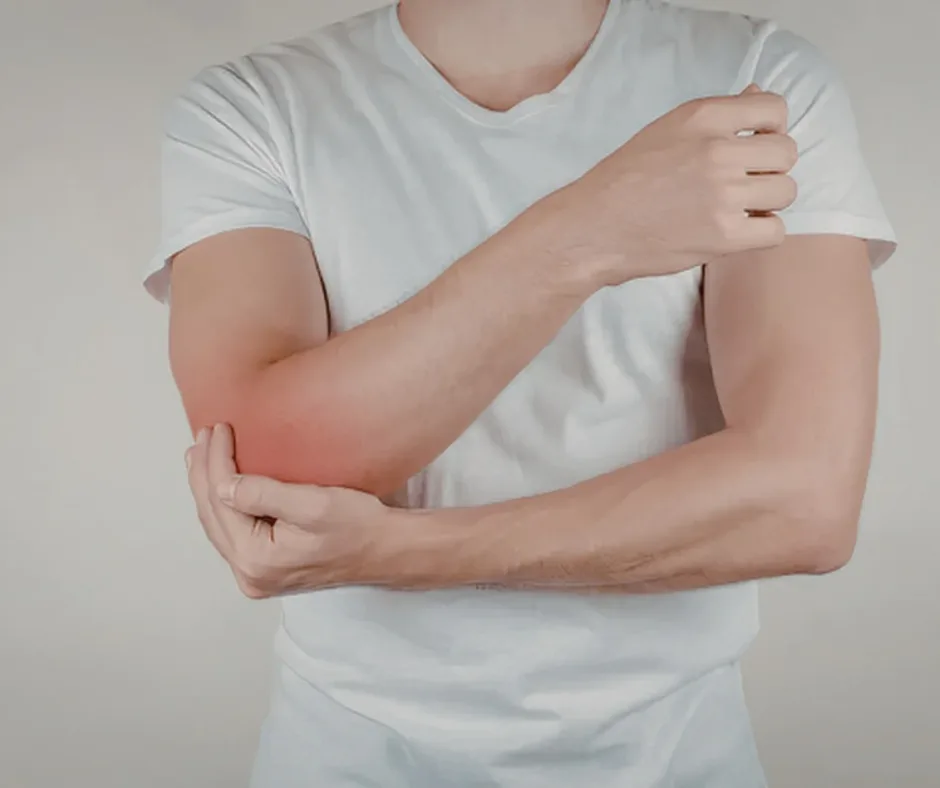
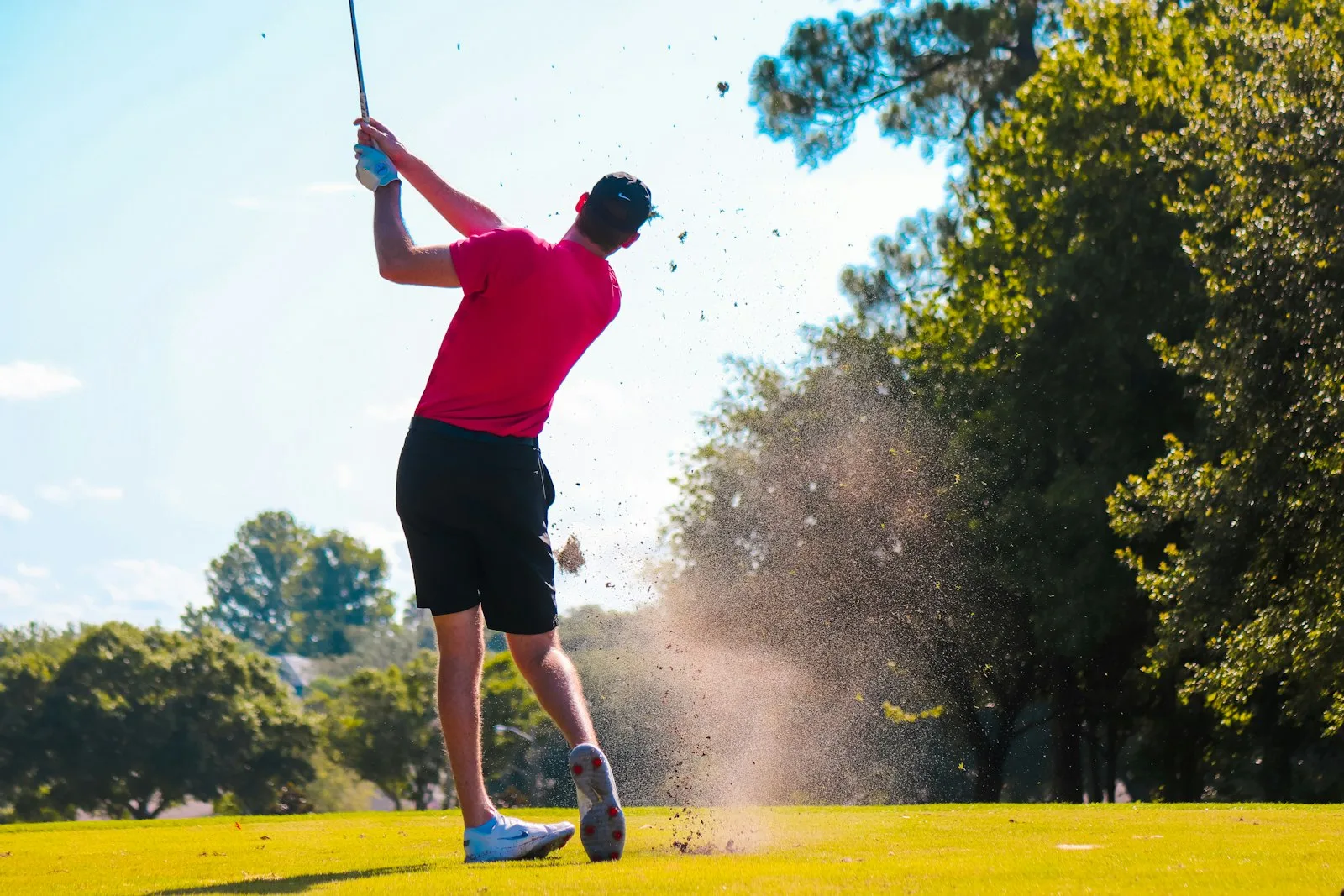
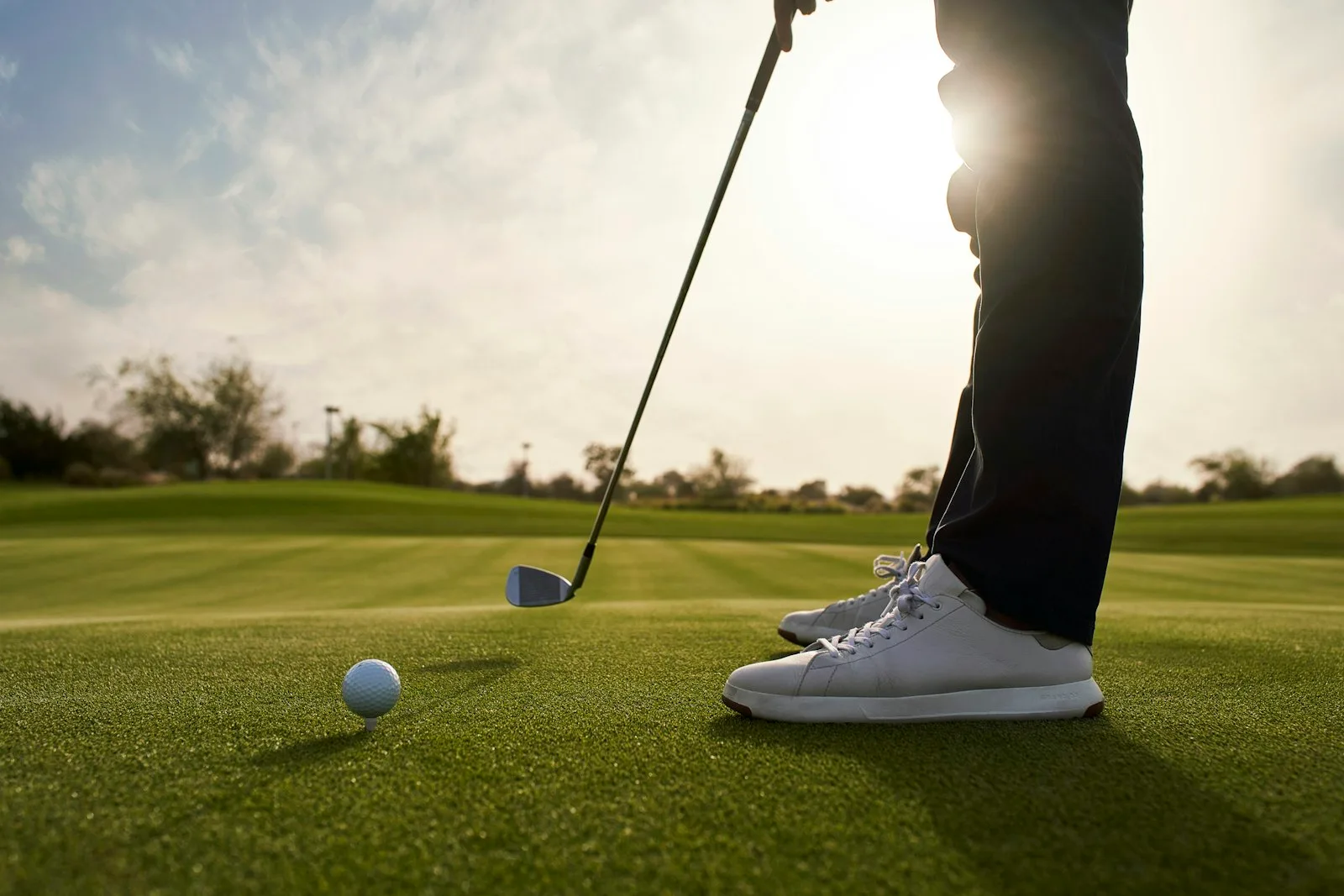
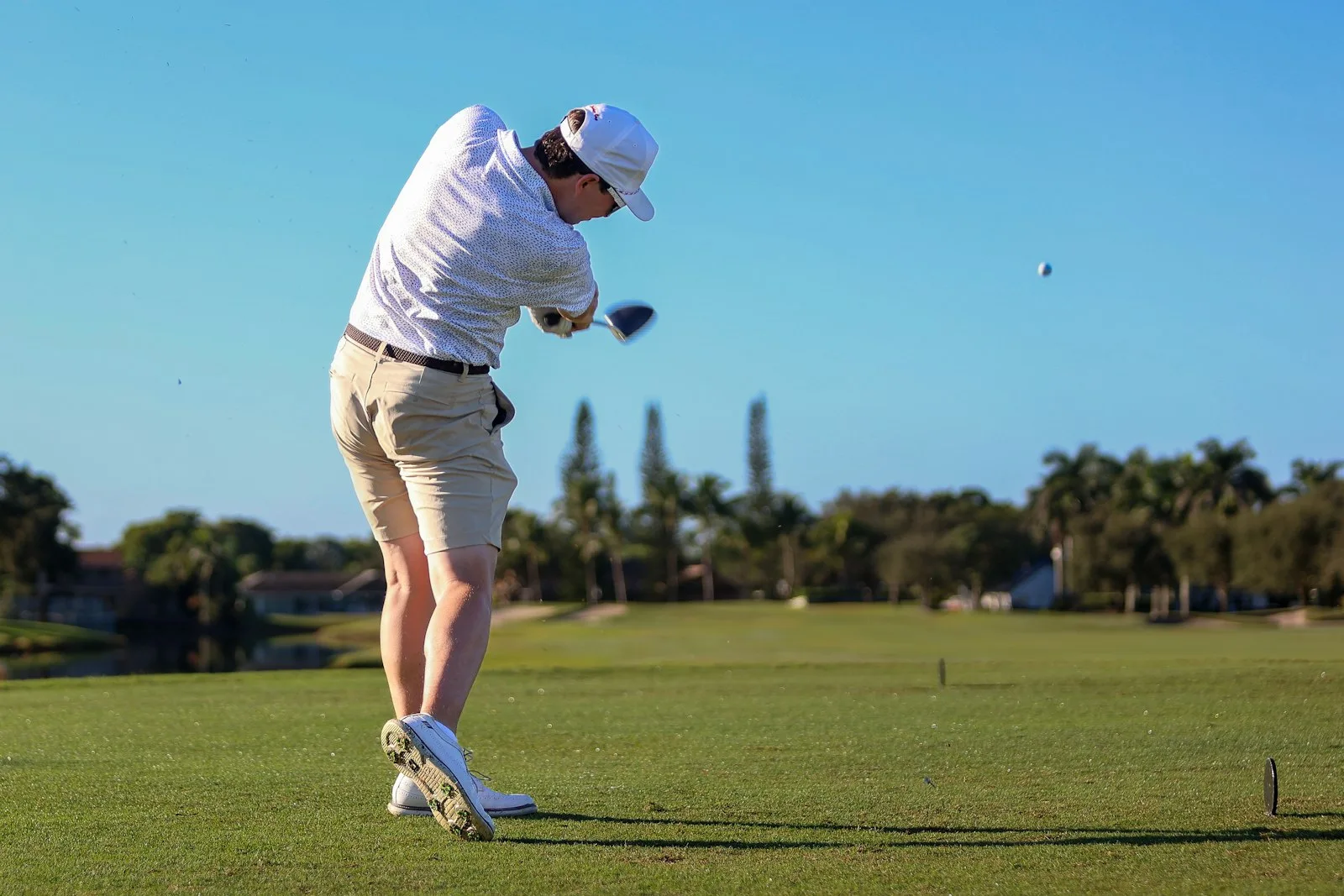
Golfer’s elbow is one of the most common overuse injuries seen in recreational and competitive golfers across Marbella and Mijas. Despite the name, it is not exclusive to golfers, but repetitive gripping and high-volume practice make golfers particularly vulnerable. If the structures that control grip and impact are overloaded, both performance and consistency will suffer.
What Is Golfer’s Elbow?
Golfer’s elbow, clinically known as medial elbow tendinopathy, is irritation or degeneration of the tendons attaching to the inside of the elbow. These tendons control wrist flexion and gripping strength.
It typically presents as:
- Pain on the inside of the elbow
- Discomfort when gripping a club
- Pain at the moment of impact
- Stiffness the morning after playing
In persistent cases, this condition is usually related to tendon overload rather than simple inflammation, a distinction that matters when choosing the right treatment approach.
Why Golfer’s Elbow Is Common on the Costa del Sol
Several local factors increase the risk for golfers playing around Marbella and Mijas:
- Year-round golf with minimal recovery periods between sessions
- Practice range overuse during golfing holidays
- Hard ground conditions increasing impact forces through the arm
- Playing multiple consecutive days on undulating courses
Volume, not one isolated swing, is usually the trigger. Visiting golfers who arrive and play five rounds in a week are particularly at risk, especially if their usual routine is once or twice weekly at home.
The Real Causes of Golfer’s Elbow
Excessive Grip Pressure
High forearm tension significantly increases load on the medial tendon. Many golfers grip harder than necessary, particularly under pressure or on unfamiliar courses.
Poor Swing Mechanics
Early release patterns or heavy contact at impact increase the force transmitted through the elbow. If your technique places the arm in a vulnerable position through the strike zone, the tendon pays the price.
Restricted Shoulder and Thoracic Mobility
If rotation is restricted higher up the kinetic chain, the elbow is forced to absorb additional stress during acceleration and deceleration. Addressing shoulder mobility and thoracic rotation is often a critical part of resolving elbow symptoms. Our guide to thoracic and pelvic dissociation in golf covers this in detail.
Fatigue
As muscles tire, load shifts disproportionately to the tendon rather than being absorbed efficiently by larger muscle groups. This is why symptoms often appear late in a round or after consecutive days of play.
How to Prevent Golfer’s Elbow
Manage Your Playing Load
Avoid sudden increases in playing frequency. If you normally play once weekly, five consecutive days will significantly increase tendon stress. Build up gradually, particularly before a golf holiday.
Quick Tip: In the two weeks before a golf trip to the Costa del Sol, gradually increase your playing frequency. Adding one extra session per week gives your tendons time to adapt to the higher load ahead.
Reduce Excessive Grip Tension
Often a simple technical adjustment can reduce elbow strain immediately. A lighter grip pressure not only protects the tendon but frequently improves club feel and shot quality.
Strengthen the Forearm Progressively
Tendons respond well to gradual loading. Controlled resistance exercises improve tendon capacity and resilience over time, but the key word is gradual. Sudden increases in exercise volume can aggravate rather than help.
Address Mobility Restrictions
Improving thoracic and shoulder mobility reduces compensatory stress at the elbow. If your swing relies on the arm doing work that the trunk and shoulders should be doing, that imbalance will eventually show up as injury. Our guide to C and S-shaped postures in golfers explains how postural patterns affect the whole kinetic chain.
How Long Does Golfer’s Elbow Take to Recover?
Mild cases may improve within four to six weeks with appropriate load management and rehabilitation. Chronic cases that have been ignored for months can take considerably longer to resolve.
Complete rest is rarely the answer. Controlled, progressive rehabilitation consistently produces better long-term outcomes than simply stopping play and waiting. The tendon needs the right type and amount of stimulus to remodel and strengthen.
Quick Tip: If your symptoms have persisted beyond three weeks, or if they keep returning after every round, that is a signal the underlying cause has not been addressed. A structured assessment through our physiotherapy service can identify the contributing factors and build a rehabilitation plan around your golf schedule.
When to Seek Professional Assessment
Consider booking an assessment if:
- Pain has persisted for more than three weeks
- Grip strength is noticeably reduced
- Symptoms interfere with daily activities such as lifting or carrying
- Pain worsens despite rest
Early management prevents the condition from progressing into chronic tendon degeneration, which is significantly harder to treat and more disruptive to your game.
Frequently Asked Questions
What is the difference between golfer’s elbow and tennis elbow?
Golfer’s elbow affects the inside of the elbow (medial side), while tennis elbow affects the outside (lateral side). Both involve tendon overload but occur in different tendon groups. Golfer’s elbow relates to wrist flexion and gripping movements; tennis elbow involves wrist extension.
Can I keep playing golf with golfer’s elbow?
Mild cases may allow modified play with reduced volume and a structured rehabilitation programme running alongside. Continuing at full intensity without addressing the underlying cause almost always prolongs recovery and risks turning an acute problem into a chronic one.
Is golfer’s elbow an inflammatory condition?
In most persistent cases, it is a degenerative tendon overload rather than acute inflammation. This is why progressive loading tends to be more effective than anti-inflammatory strategies alone, the tendon needs to be reconditioned, not simply rested.
Does wearing an elbow brace help?
A brace may temporarily reduce strain during play and provide some comfort, but it does not address the underlying movement dysfunction or improve tendon load capacity. It is best considered a short-term support measure rather than a treatment in itself.
Why does my elbow hurt more the day after golf?
Tendon irritation often peaks around 24 hours after loading. Micro-strain accumulates during play and symptoms become more noticeable once the tissues cool down and the adrenaline of the round has worn off. This delayed onset is a hallmark of tendinopathy rather than acute injury.
How can I prevent golfer’s elbow during a golf holiday in Marbella?
Increase your playing frequency gradually in the weeks before travelling rather than going from minimal play to five rounds in a week. Perform daily mobility work for your thoracic spine and shoulders. Avoid lengthy range sessions immediately before or after full rounds, and schedule at least one recovery day between consecutive rounds where possible.