
Unlocking Your Swing: The Importance of Thoracic-Pelvic Dissociation in Golf (Plus 4 Exercises to Improve It)

In This Article
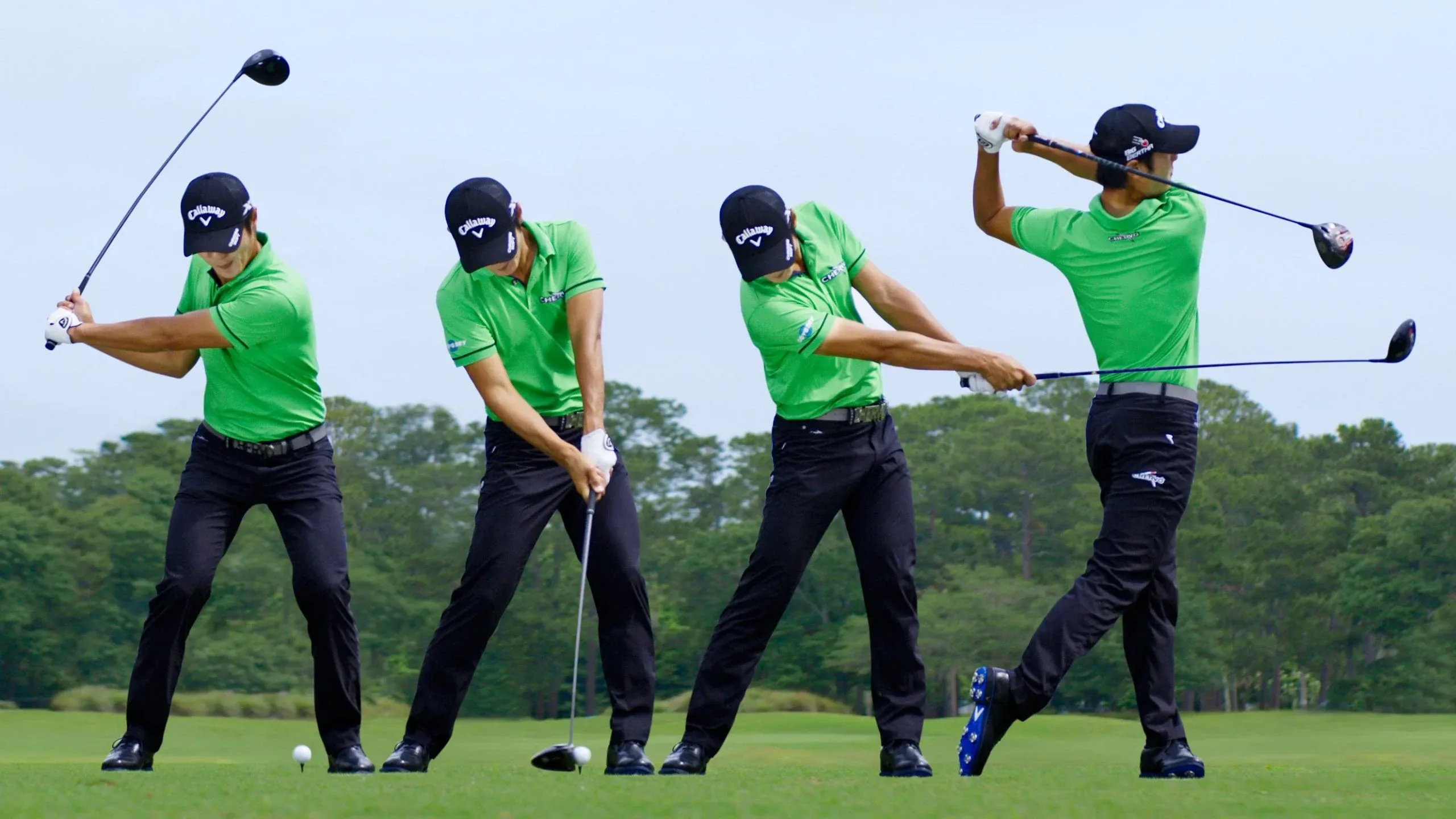
Unlocking Your Swing: The Importance of Thoracic-Pelvic Dissociation in Golf
When it comes to developing a powerful and consistent golf swing, most players focus on grip, posture, or the position of the club. But there’s one fundamental movement pattern that often goes under the radar, the ability to move the thoracic spine (upper body) independently of the pelvis. This is known as thoracic-pelvic dissociation, and it’s an essential ingredient in both generating power and protecting your body from injury.
Why It Matters
In a proper golf swing, your upper body and lower body don’t move in perfect unison. The backswing relies on a stable lower body as the upper body rotates away from the ball, creating torque. During the downswing, the lower body initiates the movement while the upper body lags slightly behind. This separation creates elastic energy, which is then released into the ball. It’s the same principle that powers a baseball pitcher’s throw or a boxer’s punch.
Without good dissociation:
- Your swing may feel “all arm” and lack power.
- You’ll struggle to load and release energy efficiently.
- You’re more likely to suffer from lower back pain.
Here are four exercises to help build dissociation. You can practise these 2-3 times a week as part of your mobility and warm-up routine.
1. Seated Trunk Rotations
Purpose: Teaches your upper body to rotate independently of your hips.
How: Sit with a cushion or ball between your knees, arms crossed or holding a golf club across your shoulders. Rotate left and right through the upper back, keeping the hips still.
2. Pelvic Rotations
Purpose: Isolate pelvic movement while keeping the thoracic spine stable.
How: Stand in golf posture with a club across your shoulders. Keep your shoulders still and gently rotate your pelvis left and right.
3. Quadruped T-Spine Rotations
Purpose: Improves thoracic mobility with core engagement.
How: On all fours, place one hand behind your head and rotate your elbow towards the ceiling. Keep your hips square.
4. Resistance Band Dissociation Drills
Purpose: Practise dissociation under light resistance.
How: Anchor a band at chest height. In golf posture, rotate your upper body while your hips remain still, then reverse. Add tempo and use in warm-ups.
Improving your thoracic-pelvic dissociation isn’t just about hitting further. It’s about moving more efficiently, reducing injury risk, and feeling more in control of your game.
Need help with a personalised movement assessment? Book your TPI screening today at Costa Health.