Thoracic-Pelvic Dissociation in Golf: Improve Power, Control and Protect Your Back

In This Article

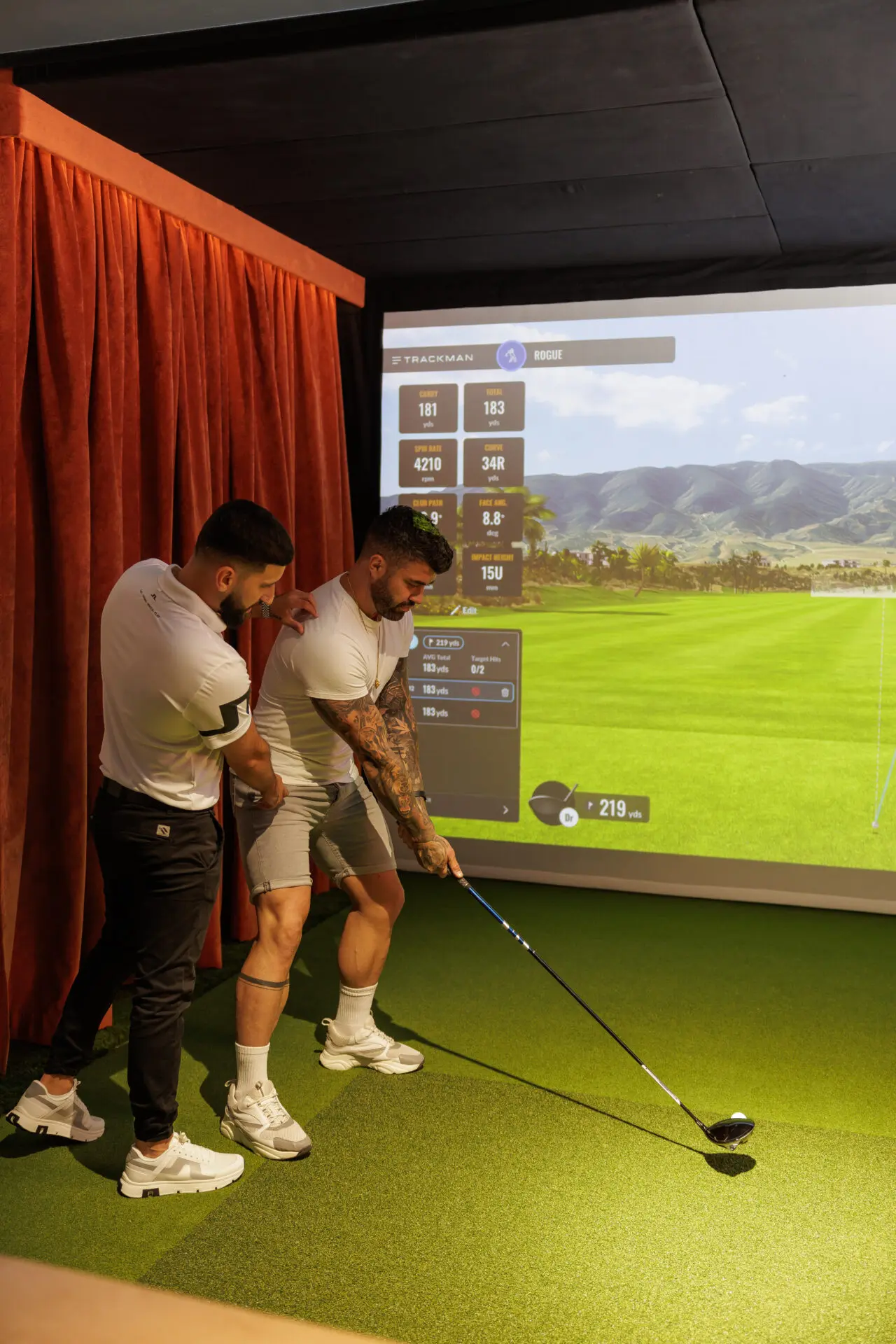
Many golfers spend years chasing swing changes without ever addressing the way their body actually moves. They work on takeaway positions, club path and wrist angles, yet still struggle with inconsistent strikes, loss of power, poor rotation or recurring lower back pain.
In a large number of cases, the issue is not purely technical. It is physical. One of the most important physical qualities in an efficient golf swing is thoracic-pelvic dissociation, the ability to rotate the upper body independently from the pelvis.
What Is Thoracic-Pelvic Dissociation?
Thoracic-pelvic dissociation refers to the separation between your upper body rotation and your lower body rotation.
During an efficient backswing, the thoracic spine and ribcage rotate away from the target while the pelvis stays relatively stable. During the downswing, the pelvis begins rotating towards the target before the upper body follows.
This separation creates stored elastic energy through the trunk and hips, often referred to in golf biomechanics as the “X factor”.
The greater your ability to control and sequence this separation, the more effectively you can:
- generate clubhead speed
- transfer force through the kinetic chain
- improve rotational efficiency
- create consistency in strike and sequencing
- reduce compensatory stress on the lumbar spine
This same athletic principle appears in baseball pitching, tennis serves and boxing punches. Power rarely comes from moving everything together at once. It comes from timing, sequencing and controlled separation.
What Happens When You Lack Dissociation?
When golfers cannot separate upper and lower body movement effectively, the body usually finds compensations elsewhere. Swings often become “all arms” or feel overly rigid, with limited ability to create speed naturally.
Common issues associated with poor thoracic-pelvic dissociation include:
- reduced swing speed
- early extension
- over the top movement patterns
- loss of posture through impact
- inconsistent ball striking
- excessive lumbar spine rotation
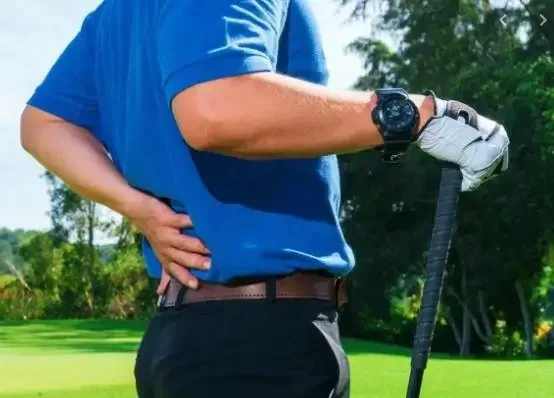
- recurring lower back tightness or pain
In clinic, one of the most frequent patterns we see is golfers trying to force rotation through the lower back because they lack mobility or control through the thoracic spine and hips.
The lumbar spine is not designed for large amounts of repeated rotational force. Over time, this can contribute to stiffness, irritation and a higher risk of injury.
Quick Tip: If you often feel your lower back doing most of the work during your swing, try gentle thoracic mobility drills before you play and pay attention to whether your back feels less tight afterwards.
Why Golfers Lose Rotational Separation
Poor dissociation is rarely caused by a single problem. In most golfers, it is a combination of contributing factors, such as:
- reduced thoracic spine mobility
- limited hip internal rotation
- poor pelvic control
- lack of core stability
- inadequate balance and weight transfer
- motor control deficits linked to sedentary lifestyles
Modern life does not help. Long hours sitting at a desk, driving or using phones tend to reduce thoracic mobility and pelvic awareness over time. Then we ask the body to produce a highly rotational, powerful golf swing on top of those restrictions.
How Costa Health Assesses Thoracic-Pelvic Dissociation
At Costa Health in Riviera del Sol, Mijas, we assess thoracic-pelvic dissociation as part of a wider golf movement and injury risk assessment.
Rather than only analysing the swing visually, we look at the physical movement capacities that sit underneath your swing pattern. This may include:
- thoracic rotation mobility
- pelvic control and awareness
- hip internal and external rotation
- single leg balance and loading
- trunk stability and rotational control
- movement sequencing under load
Once these movement patterns are tested, the body limitations driving swing inefficiencies often become very clear. In many cases, golfers do not need more swing thoughts. They need better movement options.
Quick Tip: If you work with a golf coach, consider sharing your movement assessment findings with them. When your coach and clinician work together, technical changes are usually easier to achieve and maintain.
4 Exercises to Improve Thoracic-Pelvic Dissociation
The following exercises are designed to improve rotational mobility, motor control and upper to lower body separation. They can be added to your warm up or performed two to three times per week.
1. Seated Trunk Rotations
Purpose: Improve thoracic rotation while minimising pelvic movement.
How to do it: Sit upright with a cushion or foam roller between your knees. Lightly squeeze the cushion to keep your legs stable. Cross your arms over your chest or place a golf club across your shoulders. Rotate slowly through the upper back while keeping the pelvis stable and facing forwards. Focus on smooth, controlled movement rather than forcing range.
Why it helps: This drill teaches the body to separate thoracic movement from pelvic movement, which is vital during the backswing.
2. Pelvic Rotations in Golf Posture
Purpose: Improve pelvic control independently of the upper body.
How to do it: Adopt your golf posture with a club across your shoulders. Keep your shoulders as still as possible while gently rotating the pelvis left and right. Avoid excessive movement through the knees or excessive twisting of the spine. Start with a small range and build gradually.
Why it helps: Many golfers struggle to initiate movement from the pelvis during the transition in the downswing. This drill improves awareness, pelvic control and lower body sequencing.
3. Quadruped Thoracic Rotations
Purpose: Improve thoracic mobility while maintaining trunk stability.
How to do it: Start on all fours with your hands under your shoulders and knees under your hips. Place one hand lightly behind your head. Rotate your elbow towards the ceiling while keeping the hips stable and your weight evenly distributed. Follow your elbow with your eyes. Return slowly to the start position and repeat.
Why it helps: This exercise improves rotational mobility through the thoracic spine while reinforcing control through the rest of the spine and pelvis.
4. Resistance Band Dissociation Drill
Purpose: Integrate rotational control under resistance.
How to do it: Anchor a resistance band at chest height. Assume your golf posture and hold the band with both hands. Rotate your upper body against the resistance while keeping the pelvis stable, then return to the start. You can also reverse the emphasis by keeping the upper body quiet and gently rotating the pelvis against the band.
As control improves, you can gradually increase tempo and start to blend the movement into your pre-round warm up.
Why it helps: This drill helps transfer dissociation into more golf specific, dynamic movement patterns and builds strength through the ranges you need for your swing.
Supporting Your Golf Swing for the Long Term
Improving thoracic-pelvic dissociation is not only about becoming more flexible. It is about how your body sequences movement, transfers force and controls rotation throughout the golf swing.
For many golfers, better rotational separation leads to improved power, more consistent ball striking, reduced physical stress and greater longevity in the game.
Most golfers do not need a longer list of swing thoughts. They need a body that can support the swing they are trying to create.
If you would like to understand how your movement may be affecting your golf performance or contributing to pain, you can book a golf movement assessment or TPI screening with the clinical team at Costa Health in Riviera del Sol, Mijas.
Frequently Asked Questions
Do I need to be very flexible to improve thoracic-pelvic dissociation?
No. While a basic level of mobility helps, dissociation is more about control and timing than extreme flexibility. Many golfers notice good progress by combining moderate mobility work with targeted control drills such as seated trunk rotations and pelvic rotations in golf posture.
Can working on dissociation help my lower back pain when playing golf?
It can often help, especially if your back pain is linked to over-rotation through the lumbar spine. By improving rotation through the thoracic spine and hips, the lower back is exposed to less repeated twisting. However, back pain can have several causes, so a proper assessment is important before starting new exercises.
How quickly will I notice changes in my golf swing?
Some golfers feel an immediate difference in freedom of movement after specific drills or a structured warm up. More lasting changes in control and swing mechanics usually take several weeks of consistent work, especially when combined with coaching input from your golf professional.
Should I do these exercises before or after playing?
Gentler versions of these exercises work well as part of a pre-round warm up to improve mobility and awareness. They can also be included on non-playing days as part of a conditioning routine. Your clinician can advise on the best structure based on your current mobility, strength and any existing pain.
Is a TPI screening only for elite golfers?
No. A TPI-style screening can be useful for golfers of all ages and standards. It helps identify how your body may be supporting or limiting your swing, which is just as relevant for a new player looking to avoid injury as it is for an elite golfer trying to gain distance.