
What Causes Loss of Distance in Golf as You Get Older
In This Article
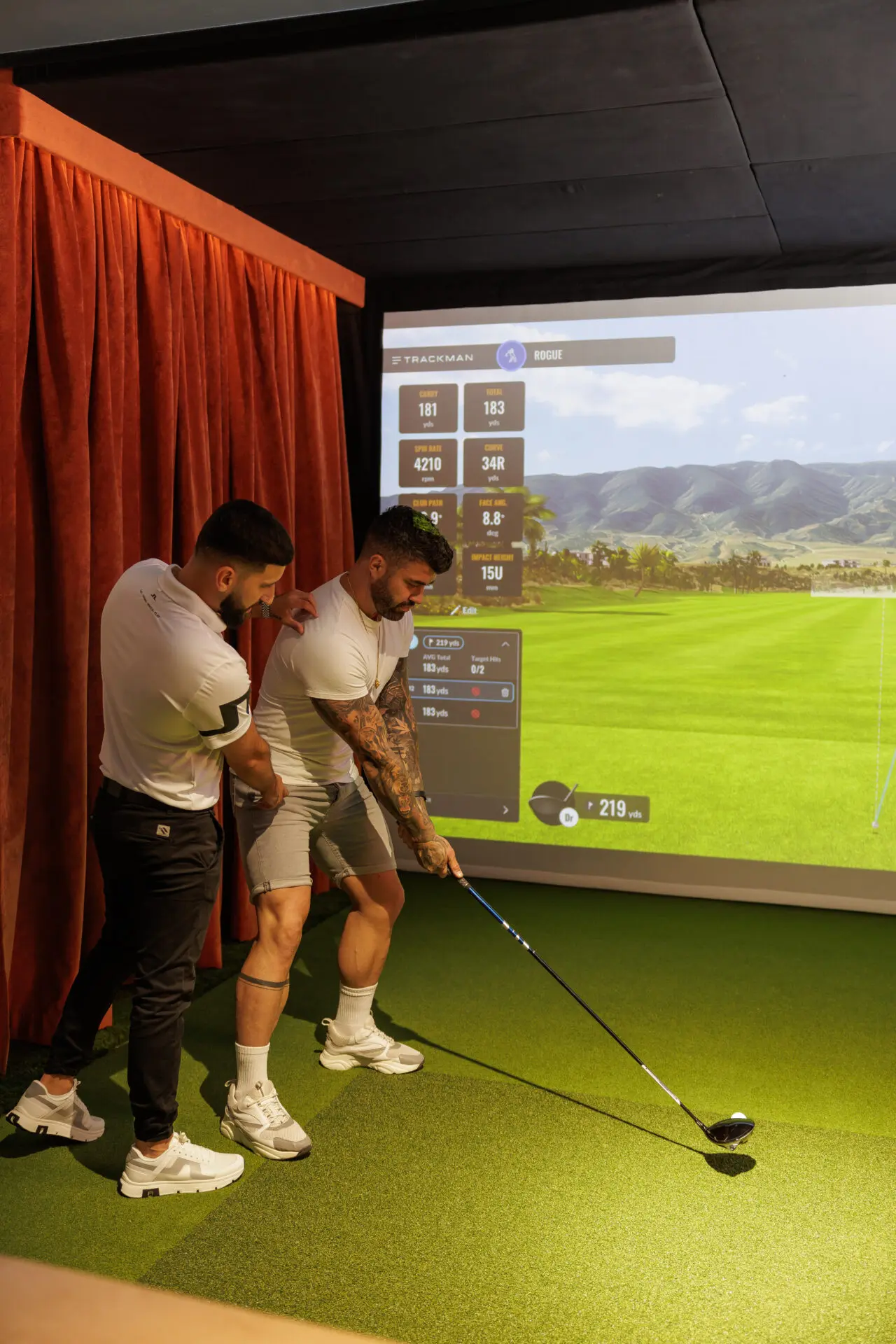
Loss of distance in golf is one of the most common frustrations for golfers over 50. The ball simply does not travel as far as it once did, and despite experimenting with different clubs or swing tips, the yards keep slipping away. The good news is that this decline is rarely inevitable and understanding what is actually happening in the body is the first step to addressing it.
Related care: If back pain, neck pain or sciatic symptoms are part of your picture, see our Back Pain, Neck Pain and Sciatica Clinic for assessment routes, treatment options and red flags.
Why Distance Declines with Age
It is not age itself that steals your distance, it is the gradual physical changes that accumulate over time. Several key factors affect the golf swing as we get older:
Reduced Mobility
Loss of rotation through the thoracic spine and hips limits your ability to create a full backswing and generate clubhead speed. Without that range of movement, the swing becomes shorter and less powerful before you even address the ball.
Decreased Strength and Power
Muscle mass and explosive power naturally decline with age. This reduces your capacity to produce the fast, forceful movement that drives the club through impact.
Reduced Sequencing and Coordination
An efficient golf swing relies on the body transferring energy in a precise sequence, from the ground up, through the hips, torso, arms and finally the club. When this sequencing becomes less effective, power leaks out at every stage.
Increased Stiffness
Tightness in the hips, hamstrings and upper back restricts movement and forces the body to compensate elsewhere. These compensations rarely add power, they typically reduce it.
Why Loss of Distance Is Not Just a Swing Problem
Many golfers assume declining distance is a technical issue and spend time working with a coach on their mechanics. In many cases, however, the swing is simply reflecting what the body is physically capable of producing.
When mobility and strength are limited, the body finds a way to swing regardless but the result is a series of compensations:
- A shorter backswing
- Reduced rotation through impact
- Early release of the club
- Loss of both power and consistency
Improving technique alone will not restore distance if the underlying physical limitations remain. This is why a golf body movement assessment can be so valuable - it identifies exactly where those physical limitations lie.
Quick Tip: Before your next lesson, ask yourself whether your shorter backswing feels restricted or simply technical. If your body feels tight or stiff when you try to rotate, the issue is likely physical rather than mechanical.
The Key Physical Areas That Affect Golf Distance
Thoracic Spine Rotation
Rotation through the mid and upper back is one of the primary drivers of power in the golf swing. It allows you to create separation between your upper and lower body - a crucial element of an efficient, powerful swing. Our guide to thoracic and pelvic dissociation in golf explains this in detail, including four exercises to help improve it.
Hip Mobility
The hips need to load effectively during the backswing and drive powerfully through the downswing. Restricted hip mobility reduces your ability to generate force and maintain balance throughout the movement.
Core Strength and Control
A strong, stable core provides the foundation for transferring energy efficiently from the lower body to the upper body. Without it, power generated from the ground dissipates before it reaches the club.
Lower Body Strength
Ground reaction force, the push against the ground during the downswing is a major contributor to clubhead speed. Maintaining lower body strength as you age is one of the most effective ways to preserve distance.
What You Can Do to Improve Distance
The physical factors that contribute to distance loss are largely addressable with the right approach. A structured programme targeting your specific limitations can produce meaningful results at any age.
Improve Mobility
Targeted mobility work for the upper back and hips can restore range of movement and allow a fuller, more efficient swing. Even modest improvements in rotation can translate into meaningful gains in distance.
Build Strength
Strength training tailored to the demands of golf helps restore power and supports better movement patterns. This does not mean lifting heavy weights - it means training the specific muscle groups involved in generating and controlling your swing.
Train Coordination and Sequencing
Golf-specific exercises improve the timing and sequencing of movement, helping your body transfer energy more efficiently from the ground up through the club.
Warm Up Properly
Preparing the body before you play can make a significant difference to both performance and comfort. A proper warm-up reduces stiffness and primes the body for the demands of the swing - something that becomes increasingly important as we age.
Quick Tip: Spend 10 minutes on dynamic warm-up exercises before your round. Hip circles, thoracic rotations and gentle squats can meaningfully improve how your body moves from the first tee. If you are unsure where to start, our golf team can put together a personalised warm-up routine.
Can You Get Your Distance Back?
Yes, and many golfers do. The key is addressing how the body moves rather than focusing solely on swing mechanics.
With the right combination of mobility work, strength training and movement coaching, it is possible to increase clubhead speed, improve consistency and reduce the risk of injury. Many golfers find they can hit the ball further in their 60s than they could in their 50s, simply by addressing the physical factors that had been limiting them.
If you are also dealing with pain alongside reduced distance, it is worth reading about the most common golf injuries on the Costa del Sol and how they can affect your swing and performance.
When to Seek Professional Help
If you are experiencing a consistent loss of distance, reduced performance or increasing stiffness that is affecting your enjoyment of the game, a professional biomechanical assessment is a practical next step.
At Costa Health, our golfimg team of body movement specialists will assess how your body moves in relation to your golf swing and creates targeted programmes to address your specific limitations. Whether you play regularly at one of the local courses in Mijas or Marbella, or simply want to get more from your game, we can help identify what is holding you back.
We also work alongside the Peter Gustafsson Academy at Clubhouse Marbella, combining physical assessment with coaching expertise for a fully integrated approach to golf performance.
Loss of distance is not simply about getting older. It is about how well your body moves and produces power. Improve the body, and the distance follows.
Frequently Asked Questions
Why am I losing distance in golf as I get older?
The most common causes are reduced mobility in the thoracic spine and hips, decreased muscle strength and power, and less efficient energy transfer through the swing. These physical changes develop gradually over time, but they can be addressed with targeted mobility and strength work.
Can I regain lost golf distance after 60?
Yes. Many golfers in their 60s and beyond have regained meaningful distance by improving how their body moves. A combination of mobility work, strength training and golf-specific conditioning can increase clubhead speed and improve consistency, regardless of age.
Is loss of golf distance a swing problem or a physical problem?
Often both, but the physical element is frequently overlooked. The swing tends to reflect what the body is physically capable of producing. If mobility or strength is limited, the body compensates in ways that reduce power. Addressing the physical limitations first often makes technical improvements far easier to achieve and sustain.
What exercises help improve golf distance?
Exercises that improve thoracic spine rotation, hip mobility and lower body strength are particularly effective. Golf-specific conditioning programmes also address sequencing and coordination, the timing of how the body transfers energy through the swing. A therapists such as Sarah Monaghan with golf experience can assess your specific limitations and design a programme accordingly.
When should I see a Chiropractor or Physiotherapist about loss of golf distance?
If you are noticing consistent distance loss, increasing stiffness when you play, or feel that your body is restricting your swing, a biomechanical assessment is a good place to start. We can identify which physical factors are limiting your performance and create a targeted programme to address them.
If yku want to find out more why not book a golf body movement assesment today at CostaHealth