Ask the Expert: Why Keeping Your Body Moving Matters More as You Age

In This Article

Dr Raquel Delgado, women’s health doctor and GP, shares her insight on one of the most important foundations of long-term health: keeping your body moving. As we age, many of us believe we should slow down to protect our bodies. The evidence tells a different story.
Why Movement Becomes More Important with Age
Natural changes occur in the body as we grow older. Muscle mass gradually declines, joint mobility reduces, bone density decreases, and recovery takes longer. These are normal processes, but without regular movement, they accelerate significantly.
Over time, reduced activity leads to stiffness, weakness, poor balance, and a higher risk of falls and injury. Regular movement helps to slow, and in many cases reverse, many of these effects, supporting both physical independence and quality of life well into later years.
You Do Not Need to Exercise Intensely to Benefit
A common misconception is that staying healthy requires intense exercise or high-performance training. It does not.
There is no need to run marathons or spend hours in the gym. What matters most is consistency. Daily, moderate movement is far more beneficial than occasional bursts of intense activity. Simple, regular movement supports the body in a sustainable and effective way.
Quick Tip: Even a 20-minute walk each day can deliver meaningful benefits for cardiovascular health, mood, and joint mobility. Start with what feels manageable and build gradually from there.
The Key Is Consistency, Not Intensity
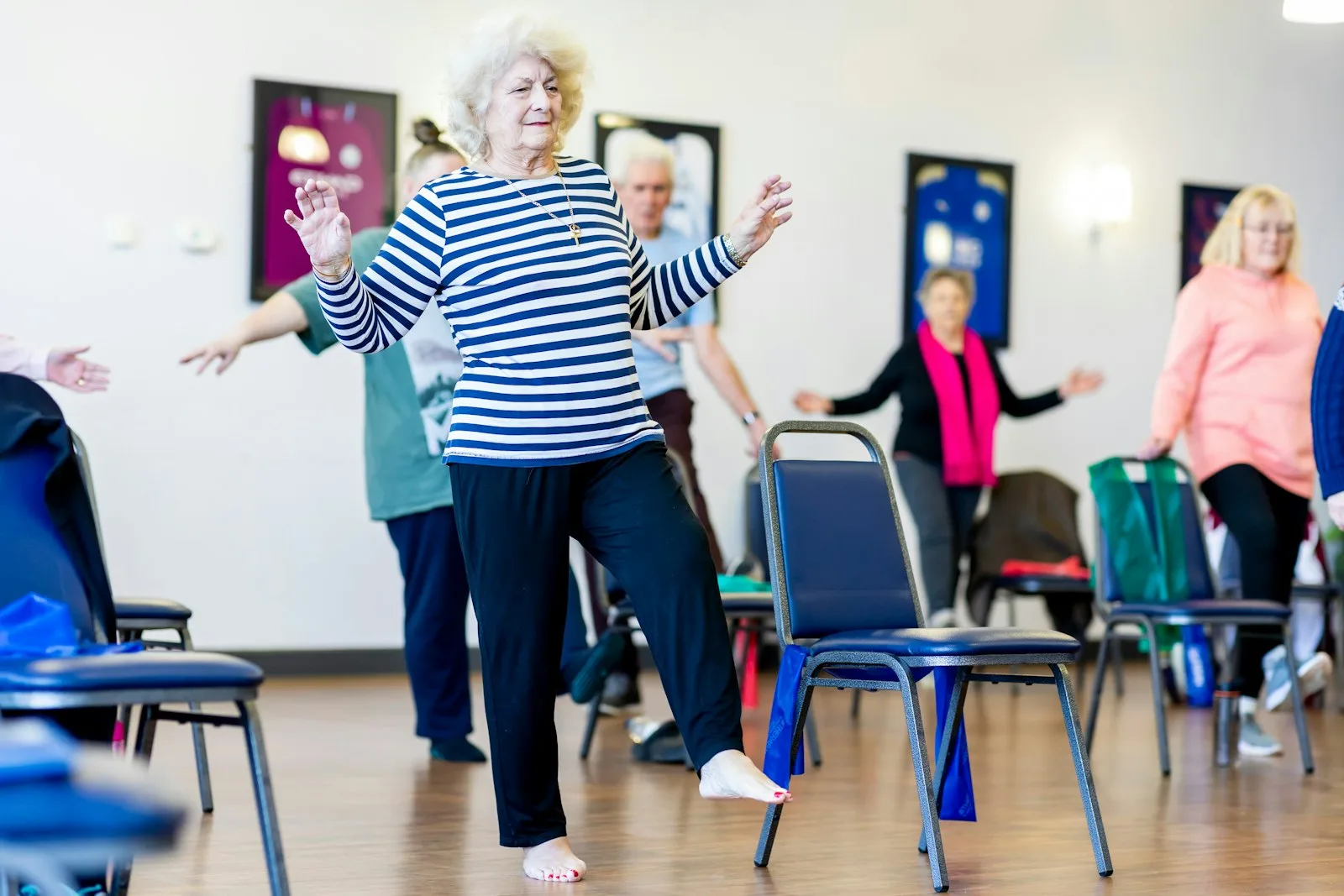
Movement should fit into your lifestyle, not feel like an obligation. The most effective form of exercise is one you will actually do regularly.
Good options for staying active include:
- Walking
- Swimming
- Yoga or Pilates
- Light strength training
- Golf or recreational sport
The key is finding something you enjoy. When activity feels rewarding rather than burdensome, you are far more likely to maintain it - and it is that consistency over time that delivers lasting results.
The Benefits of Staying Active
Regular movement supports both physical and mental wellbeing across a broad range of areas:
- Maintains muscle strength and joint mobility
- Supports bone health and reduces the risk of osteoporosis
- Improves balance and coordination
- Reduces the risk of chronic conditions such as cardiovascular disease and type 2 diabetes
- Enhances energy levels
- Supports mental wellbeing and mood
Staying active also plays a central role in maintaining independence as we age, something that matters enormously to long-term quality of life.
Movement Is Medicine
From a medical perspective, regular movement is one of the most effective and accessible forms of preventative healthcare available to us.
It can meaningfully reduce the risk of cardiovascular disease, type 2 diabetes, and osteoporosis, whilst also supporting hormonal health, particularly for women navigating perimenopause or menopause. Our women’s health and GP services at Costa Health regularly incorporate movement guidance as part of wider health planning.
As Dr Raquel Delgado emphasises, regular movement should be viewed as part of your daily routine, much like eating well or getting adequate sleep.
Start Small and Build Gradually
If you are not currently active, the most important step is simply to begin. Even short periods of movement each day can make a meaningful difference. Over time, this builds strength, confidence, and resilience.
The goal is not perfection, but progress.
Quick Tip: If you have existing injuries or joint concerns, a physiotherapy assessment can identify which movements are safe and appropriate for your body, helping you build a sustainable routine without aggravating existing issues.
When to Seek Professional Guidance
If you are unsure where to start, have existing injuries or health concerns, or would like a more structured approach, professional guidance can help you move safely and effectively.
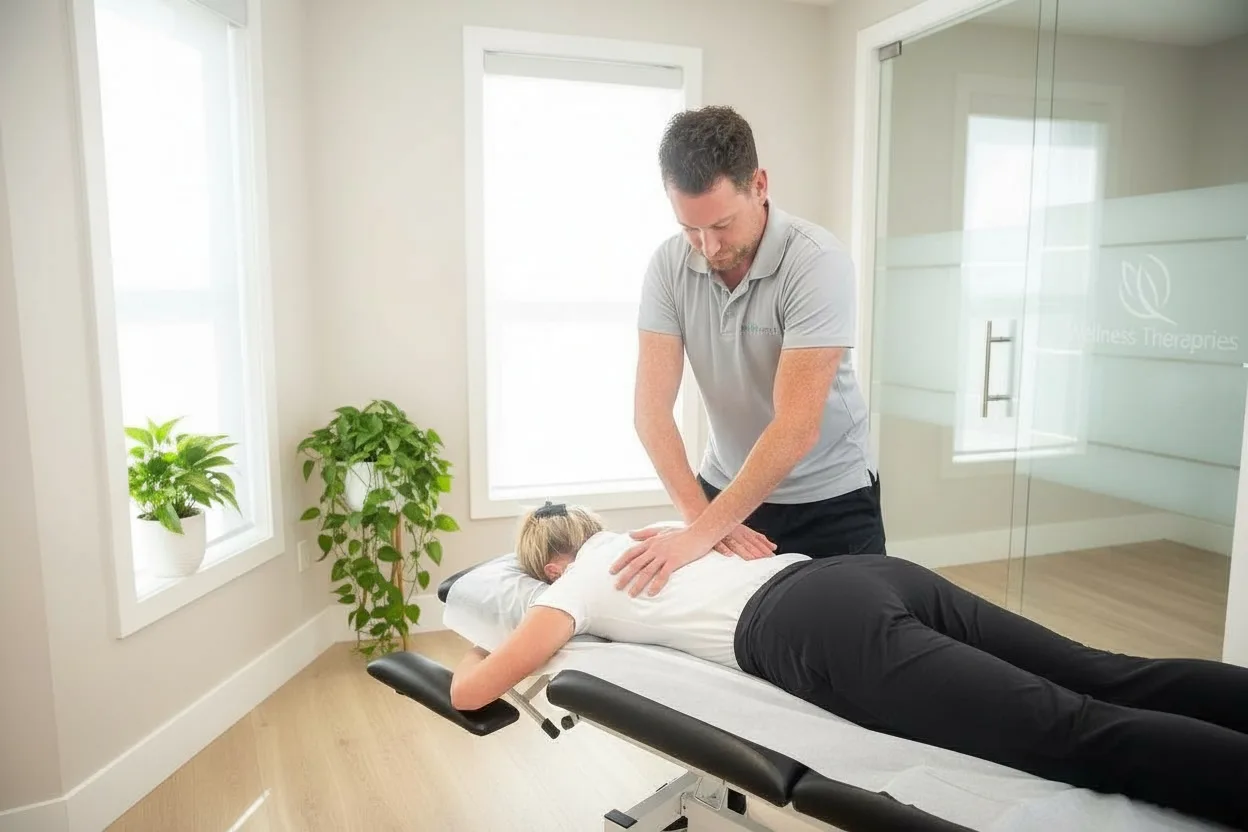
At Costa Health, our team supports patients with tailored programmes focused on movement, strength, and long-term health. Our physiotherapy team in Mijas and Marbella and chiropractic team work alongside our collaborating GPs to provide joined-up care that addresses the whole person, not just individual symptoms.
For those dealing with back or spinal concerns that may be limiting movement, our guide on whether disc bulges always require surgery is a useful starting point. And if muscle tension or recovery is a barrier to staying active, find out how our sports massage services can help.
Frequently Asked Questions
How much exercise do I need as I get older?
There is no single prescription that suits everyone, but the principle is clear: some regular movement is far better than none. Aim for moderate activity on most days, whether that is walking, swimming, or gentle strength work. Consistency matters more than duration or intensity.
Is it safe to exercise if I have joint pain or an existing injury?
In most cases, yes, but the type and level of activity matters. A physiotherapy assessment can identify which movements are appropriate for your specific condition and help you build a safe, progressive routine. Resting completely for extended periods can often worsen joint stiffness and muscle weakness over time.
What types of exercise are best for older adults?
Low-impact activities such as walking, swimming, yoga, Pilates, and light strength training are generally well suited to older adults. The best exercise is one you enjoy and can sustain consistently. Strength training in particular is valuable for maintaining muscle mass and bone density as we age.
Can exercise help with hormonal health and menopause?
Yes. Regular movement, particularly strength training and weight-bearing exercise, plays an important role in supporting hormonal health, managing menopausal symptoms, and reducing the risk of osteoporosis. Dr Raquel Delgado offers specialist women’s health consultations at Costa Health, where movement forms part of an integrated approach to care.
What if I have not exercised in a long time?
Starting small is the right approach. Even five to ten minutes of gentle movement each day is a meaningful beginning. Gradually increasing duration and variety over weeks and months builds a sustainable habit. If you have concerns about where to start, speaking with your GP or a physiotherapist is a sensible first step.