Keep Moving, Stay Strong: Why Exercise Matters as We Age
In This Article
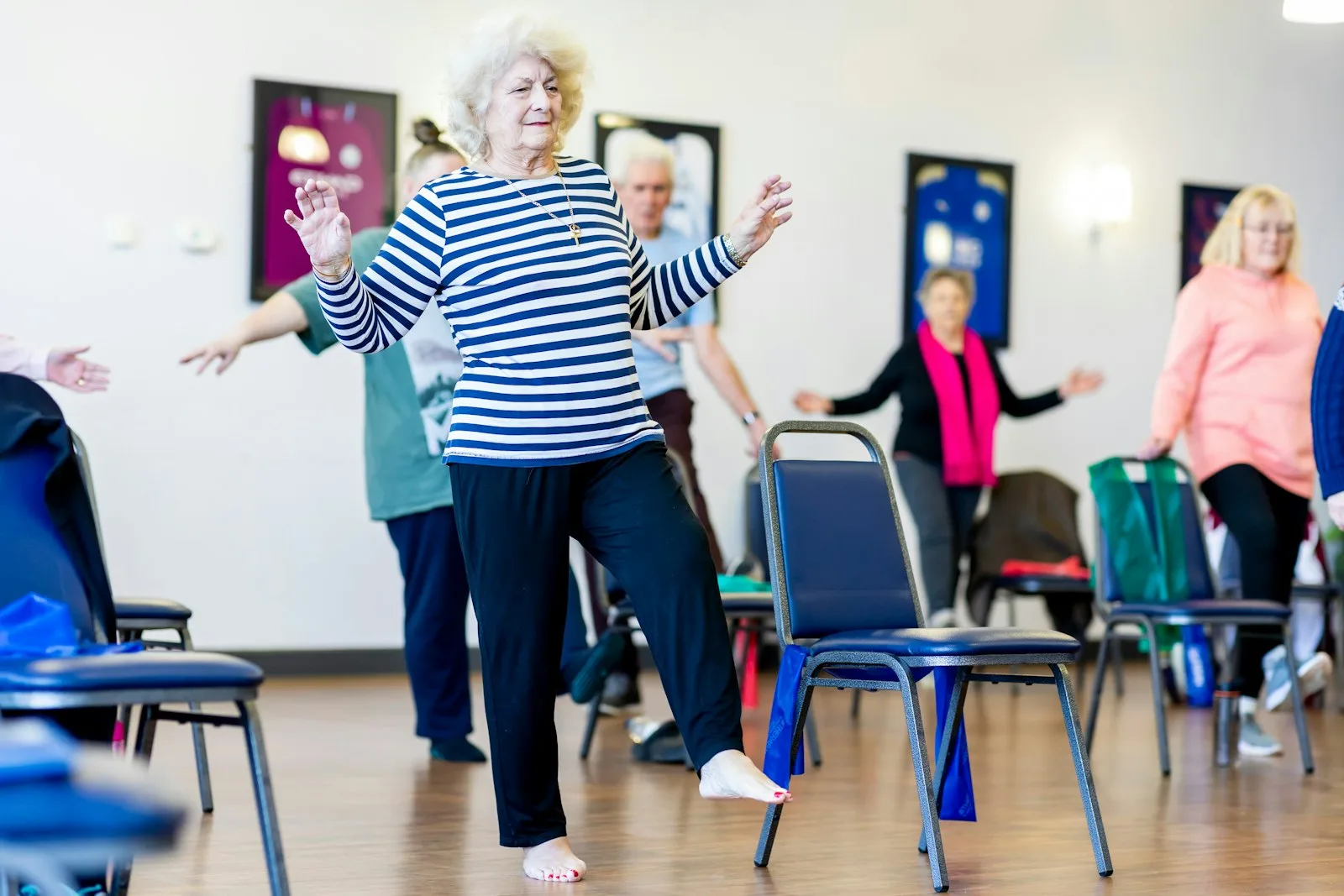
As we get older, keeping active becomes one of the most important things we can do for our health. Regular exercise supports long-term wellbeing, helps maintain independence, and allows us to continue enjoying the activities we love. Ageing is a natural process, but becoming less active does not have to be part of it.
Why Movement Matters
Many people find they move less as the years pass. Busy schedules, work demands, aches and pains, or reduced confidence can all contribute to a more sedentary lifestyle. Unfortunately, the less we move, the stiffer and weaker the body tends to become.
Regular movement helps to:
- Keep joints mobile and flexible
- Maintain strength and balance
- Improve circulation and heart health
- Support healthy weight management
- Boost mood and mental wellbeing
- Increase energy levels
- Reduce the risk of falls and injury
- Help maintain independence later in life
Movement truly is medicine, and this becomes ever more relevant as we age.
The Importance of Muscle Mass
One of the most significant physical changes that comes with ageing is the gradual loss of muscle mass. This process can begin from our thirties onwards and becomes more noticeable later in life, particularly if we are inactive.
Muscle is essential for everyday function. It helps us:
- Climb stairs
- Carry shopping
- Get up from chairs
- Protect joints
- Maintain good posture
- Stay steady on our feet
For women, muscle loss can accelerate around the menopause due to hormonal changes. For men, gradual shifts in hormone levels and activity patterns can also lead to reduced strength over time.
The encouraging news is that muscle responds well to training at any age. It is never too late to begin building or maintaining strength.
Quick Tip: Even two or three short strength sessions per week can make a meaningful difference to muscle mass, balance, and overall energy levels. Consistency matters far more than intensity.
Strength Training Does Not Require a Gym
When people hear the words “strength training”, they often picture heavy weights or complicated gym equipment. In reality, some of the most effective exercises are straightforward and can be done at home with little or no equipment.
Practical examples include:
- Bodyweight squats
- Sit-to-stands from a chair
- Wall push-ups
- Lunges or supported split squats
- Resistance band exercises
- Light hand weights
- Carrying shopping bags with good technique
Even short sessions two or three times per week can help build strength, improve balance, and support healthier ageing over time.
Mobility and Flexibility Count Too
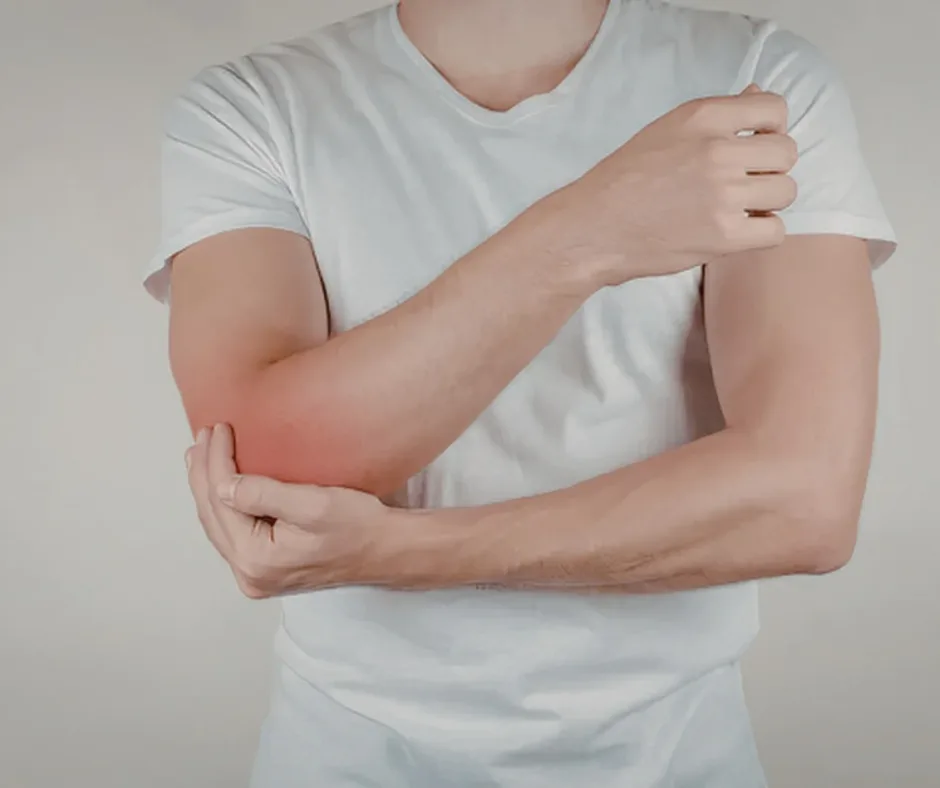
Exercise is not only about building strength. Mobility work helps joints move freely and reduces stiffness, which can have a significant impact on daily comfort and function.
Gentle stretching, walking, yoga, Pilates, and regular movement throughout the day all contribute to better flexibility and ease of movement. If you notice stiffness when getting out of bed or after sitting for long periods, your body is signalling that it needs more movement.
Quick Tip: Try setting a reminder to stand up and move for a few minutes every hour if you spend long periods sitting. Even a short walk around the room or some gentle stretches can help reduce stiffness and improve circulation.
It Is Never Too Late to Start
You do not need to become an athlete to benefit from exercise. Small, consistent habits make the greatest difference over time. A few simple changes to your daily routine can have a meaningful impact on how you feel and function.
Consider starting with:
- A daily walk, even a short one
- Taking the stairs when possible
- Breaking up long periods of sitting throughout the day
- Adding simple strength exercises a few times each week
- Stretching regularly, particularly in the morning
- Choosing activities you genuinely enjoy
Whether you are 40, 60, or 80, the best time to start moving more is now. Healthy ageing is not about avoiding birthdays - it is about maintaining the ability to move well, feel strong, and stay independent.
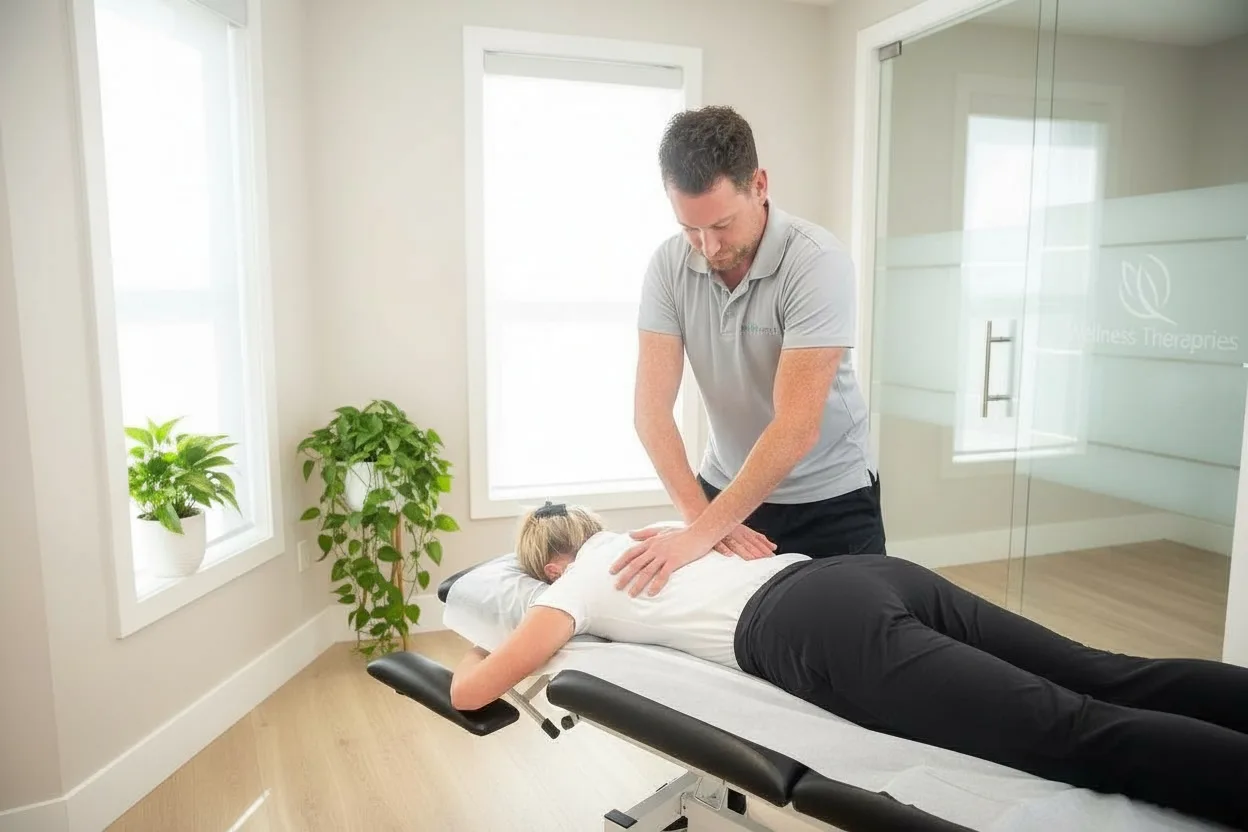
If you need support with mobility, posture, aches and pains, or building confidence with movement, our team at Costa Health is here to help. We can guide you safely and create a plan that suits your individual needs and goals.
Frequently Asked Questions
Is it safe to start exercising if I have not been active for a long time?
Yes, for most people it is safe to begin with gentle, low-impact activity such as walking or light stretching. If you have an existing health condition or have been inactive for a significant period, it is worth speaking with a healthcare professional first. They can help you start safely and build up gradually at a pace that suits you.
How much exercise do I need each week?
General guidance recommends at least 150 minutes of moderate-intensity activity per week, such as brisk walking, alongside two sessions of muscle-strengthening activity. However, any amount of movement is beneficial, and starting small is perfectly fine. The key is consistency rather than perfection.
Can exercise help with joint pain or stiffness?
In many cases, yes. Gentle, appropriate movement can help reduce stiffness, improve joint mobility, and strengthen the muscles that support the joints. Complete rest is rarely the best approach for joint discomfort. A physiotherapist or chiropractor can advise on the most suitable exercises for your specific situation.
What is the best type of exercise for older adults?
A combination of aerobic activity, strength training, and flexibility work tends to offer the most benefit. Walking, swimming, Pilates, yoga, and resistance exercises are all excellent options. The best exercise is ultimately the one you enjoy and will stick to consistently.
How can Costa Health help me stay active as I age?
Our team of chiropractors and physiotherapists can assess your movement, identify any areas of concern, and provide tailored advice and treatment to support your activity goals. Whether you are managing pain, recovering from injury, or simply looking to move better, we are here to help.