
ADHD and Perimenopause: Why Everything Suddenly Feels Harder

In This Article
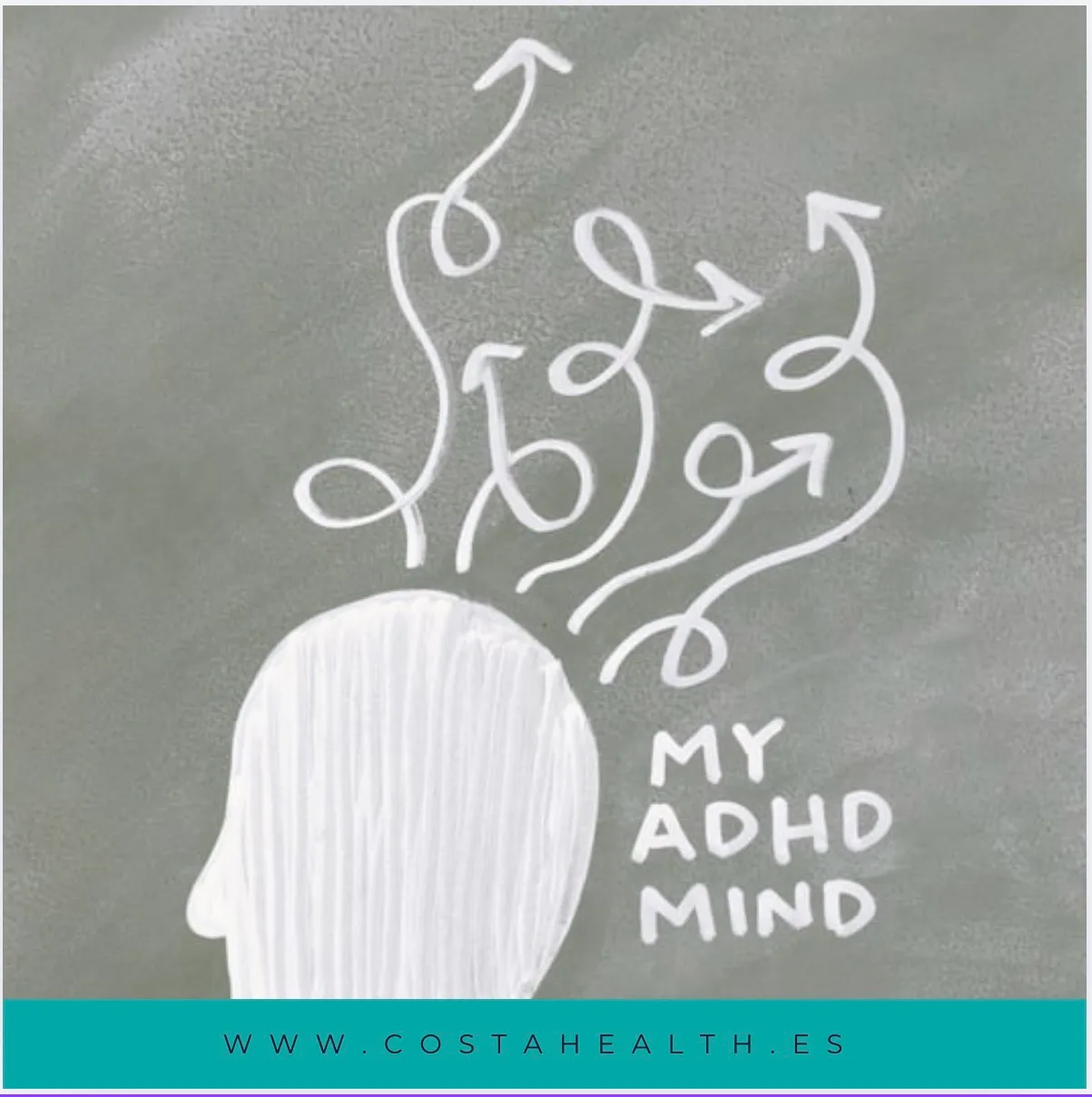
Many women with ADHD find that, in their forties, everything suddenly feels harder. Focus, memory and emotional resilience seem to crumble, and familiar strategies stop working. For many, this is not a loss of willpower, but the effect of perimenopause on an already sensitive brain. Understanding the link between hormones and ADHD can be the first step towards feeling more like yourself again.
When ADHD Symptoms Suddenly Get Worse
There came a point in my forties when I genuinely started to wonder whether I was losing my ability to cope.
My ADHD symptoms seemed to intensify almost overnight. Tasks that had once felt manageable became overwhelming. My memory felt unreliable. I struggled to focus, and I was emotionally exhausted. The constant mental noise that had always been there seemed louder than ever.
I was forgetting appointments, jumping between unfinished tasks and feeling overwhelmed by simple decisions. I kept asking myself why everything suddenly felt so much harder.
Like many women, I blamed myself.
I thought I needed to be more organised. I thought I needed to try harder. I wondered if this was simply what getting older felt like.
What I did not realise was that I had entered perimenopause. For women with ADHD, perimenopause can feel as if someone has completely rewired your brain.
The Hidden Link Between ADHD and Hormones
For many years, ADHD was viewed primarily as a condition affecting boys and men. As a result, countless women went undiagnosed for decades.
Many of us became very good at masking. We developed systems, relied on routines, overprepared and worked twice as hard to compensate for difficulties with attention, memory and executive function.
Then something changes. The strategies that worked for years seem to stop working. You feel overwhelmed, more forgetful and far less resilient. Your ability to juggle everyday demands appears to evaporate.
For a significant number of women, the explanation lies more in hormones than in willpower.
Oestrogen plays an important role in the regulation of dopamine, one of the key neurotransmitters involved in focus, motivation, attention and executive function. As oestrogen levels fluctuate and decline during perimenopause, dopamine signalling can become less efficient.
For women already living with ADHD, this hormonal shift can significantly amplify symptoms.
The Symptoms Nobody Warned Me About
Looking back, the signs were obvious, but at the time they were frightening and confusing.
I experienced:
- Brain fog
- Increased forgetfulness
- Difficulty concentrating
- Anxiety
- Emotional overwhelm
- Fatigue
- Poor sleep
- Lack of motivation
- Increased procrastination
- A constant feeling that I was not coping
Many women describe feeling as if they have suddenly become incapable of managing their lives. Some worry they may be developing dementia. Others assume they are experiencing burnout. Many spend years searching for answers without anyone mentioning the role that hormones may be playing.
Trying To Get Help And Hitting A Wall
Living in Spain, I consulted several gynaecologists to try to understand what was happening. Almost every appointment seemed to end with the same recommendation: take the contraceptive pill.
The pill has an important place in women’s healthcare, but it did not feel as though it addressed the bigger questions I had.
Why had my symptoms changed so dramatically? Why did I no longer feel like myself? Why was my ADHD suddenly so much harder to manage?
I wanted someone to look beyond a single prescription and consider the complete picture.
Finding A More Comprehensive Approach
After months of research, reading and speaking with other women, I booked an appointment with Dr Delgado.
What immediately stood out was that the consultation focused on understanding my symptoms as a whole. We discussed my hormonal history, cognitive symptoms, sleep, mood, lifestyle and overall wellbeing.
Rather than offering a quick fix, we developed a personalised treatment plan. There were investigations, adjustments and follow up discussions. Most importantly, there was recognition that hormonal health is complex and highly individual.
Eight Weeks Into Hormone Treatment
At the time of writing, I am approximately eight weeks into treatment. I have started hormone replacement therapy (HRT) and a low dose vaginal progesterone pessary. The next phase of my treatment plan will involve testosterone therapy.
I plan to continue sharing my experience honestly as my treatment progresses. What has surprised me most so far is not the physical changes, but the effect on my mind.
When The ADHD Engine Finally Quietens
The best way I can describe it is this: the ADHD engine has become quieter.
For years, my brain felt as if it was running at full speed every minute of every day. There was a constant sense of urgency. Everything felt important. Everything needed doing immediately. My thoughts raced from one thing to another without pause. The mental noise was exhausting.
Over the past several weeks, that intensity has started to soften. The compulsiveness has eased. The constant pressure to be doing something has reduced.
I find myself more present, more focused and more capable of managing everyday life. Most importantly, the overwhelming feeling that I simply could not cope has significantly improved.
I still have ADHD. I still have challenges. But I no longer feel as though my brain is fighting against me every moment of the day.
Not every woman will respond to HRT in the same way, and treatment is not suitable for everyone. However, having a proper assessment and a plan that considers hormones as part of the picture can be extremely validating and, for some, very helpful.
Why HRT Is Only One Piece Of The Puzzle
Although HRT has been an important part of my own experience, I do not believe there is a single solution. Supporting women with ADHD through perimenopause usually requires a broader approach.
Hormones matter, but so do sleep, nutrition, exercise, stress management and metabolic health. The brain does not exist in isolation from the rest of the body.
Quick Tip: If you suspect perimenopause is affecting your ADHD, keep a simple daily symptom diary for a month. Track sleep, mood, focus, energy, cycle changes and hot flushes. This can give your clinician much clearer information to work with.
The Gut Brain Connection And Why Fibre Matters
One of the most overlooked areas of health is fibre intake. Most people associate fibre with digestive health, but its effects extend far beyond the gut.
Dietary fibre feeds beneficial bacteria within the gut microbiome. These bacteria produce compounds that help regulate inflammation, immune function and communication between the gut and the brain.
Emerging research continues to highlight the importance of the gut brain connection in mood, cognition and mental wellbeing. For women navigating ADHD and perimenopause, improving fibre intake may provide benefits that extend well beyond digestion.
Excellent sources of fibre include:
- Oats
- Lentils
- Chickpeas
- Beans
- Vegetables
- Fruit
- Nuts
- Seeds
Most adults consume significantly less fibre than recommended. Increasing fibre intake is often one of the simplest, low risk changes many women can make to support overall health.
Quick Tip: Start by adding one extra portion of vegetables or a tablespoon of seeds to one meal each day, rather than changing everything at once. Gradual changes are easier to maintain and kinder on the gut.
Blood Sugar Stability And ADHD Symptoms
Many women with ADHD experience fluctuations in energy, focus and mood throughout the day. Blood sugar instability can contribute to:
- Brain fog
- Fatigue
- Irritability
- Cravings
- Reduced concentration
Supporting stable blood sugar can have a meaningful impact on cognitive performance and emotional steadiness.
Practical strategies include:
- Prioritising protein at breakfast
- Including fibre with meals
- Staying well hydrated
- Limiting ultra processed foods
- Building meals around whole foods where possible
These are not strict rules, but gentle anchors that can reduce some of the peaks and dips that make ADHD symptoms feel worse.
Sleep: The Overlooked Superpower
Sleep disruption is one of the most common symptoms of perimenopause. Unfortunately, poor sleep also aggravates ADHD symptoms. The combination can feel devastating.
Improving sleep quality often improves:
- Focus
- Memory
- Mood
- Emotional regulation
- Resilience
- Energy levels
For many women, addressing sleep becomes one of the most important interventions of all. This might involve looking at bedtime routines, caffeine and alcohol intake, temperature regulation at night, and in some cases medical treatment for sleep disorders or hot flushes.
Movement As Medicine
Exercise remains one of the most effective ways to support both ADHD and hormonal health. Regular movement can improve:
- Dopamine production
- Mood
- Sleep quality
- Cognitive performance
- Metabolic health
The good news is that exercise does not need to be extreme to be beneficial. Walking, strength training, swimming, cycling and yoga can all provide substantial benefits.
Consistency matters far more than perfection. Even small, regular amounts of movement can make day-to-day life feel more manageable.
What I Wish More Women Knew
I wish more women knew that worsening ADHD symptoms during perimenopause are not a personal failure.
I wish more women knew that hormonal changes can have a profound impact on cognition, emotional wellbeing and executive function.
I wish more women knew that they deserve more than a rushed appointment and a generic prescription.
Most of all, I wish more women knew they are not alone. There are explanations, and there are options to explore.
Book A Women’s Health Assessment
If you recognise yourself in this article, it may be time to explore whether hormonal changes are contributing to your symptoms.
Dr Delgado has extensive experience supporting women with hormonal health concerns, including those navigating ADHD, perimenopause and menopause. Her approach focuses on understanding the complete picture, including hormone health, cognitive symptoms, sleep, lifestyle factors and long term wellbeing.
Whether you have an established ADHD diagnosis, suspect hormonal changes may be affecting your symptoms, or simply want answers about why you no longer feel like yourself, a comprehensive assessment can help identify appropriate treatment options for your individual circumstances.
You can book an online Women’s Health Assessment with Dr Delgado to discuss your symptoms, review your hormonal health and create a personalised treatment plan based on your needs and preferences.
You do not have to navigate ADHD, perimenopause and menopause on your own.
Final Thoughts
My journey is still ongoing. I am continuing treatment, preparing to start testosterone therapy and learning more about how hormones influence my wellbeing.
What I know now is something I wish I had understood years ago. The woman I thought was falling apart was not failing. She was experiencing hormonal changes that were affecting her brain, her emotions and her ability to function.
Understanding that has changed the way I see myself and my symptoms. If you are experiencing something similar, seeking the right support may be the first step towards feeling more at ease in your own mind again.
Frequently Asked Questions
Is it normal for ADHD to feel worse during perimenopause?
Yes, many women with ADHD report that their symptoms become more intense or harder to manage during perimenopause. Fluctuating and declining oestrogen levels can affect dopamine, a key brain chemical involved in attention, motivation and executive function. This does not mean your ADHD has suddenly become severe for life, but it does mean that hormonal changes can make existing symptoms feel much more challenging.
Can hormone replacement therapy cure ADHD?
No, HRT does not cure ADHD. ADHD is a neurodevelopmental condition that starts in childhood. However, in some women, carefully prescribed HRT can reduce the additional symptom burden caused by perimenopausal hormone changes. This may make ADHD feel easier to manage, but it is usually just one part of a wider support plan that can include lifestyle strategies, psychological support and, where appropriate, ADHD medication.
How do I know if my symptoms are perimenopause, ADHD or something else?
There is a lot of overlap between perimenopause symptoms, ADHD and other conditions such as anxiety, depression and thyroid problems. New or worsening issues with memory, focus, mood and sleep can have several possible causes. A detailed assessment that looks at your medical history, menstrual changes, current symptoms, medication, lifestyle and family history is important. Blood tests and, if needed, referrals to appropriate specialists can help clarify what is going on. Self-diagnosis is difficult, so speaking to a knowledgeable clinician is recommended.
Is testosterone therapy safe for women?
Testosterone can be prescribed for certain women, usually at much lower doses than those used for men. In the UK and Europe it is most commonly used for low libido in menopause, but some clinicians may consider it off licence for other symptoms such as low energy or poor concentration. Safety depends on the dose, form, your medical history and regular monitoring. It is important that testosterone is prescribed and reviewed by a clinician with experience in women’s hormonal health, and it is not suitable for everyone.
What can I do at home to help my ADHD during perimenopause?
There are several gentle steps many women find helpful. These include eating regular meals with protein and fibre to support blood sugar balance, reducing alcohol and ultra processed foods, prioritising sleep routines, and aiming for daily movement such as walking or light exercise. Keeping a simple symptom diary, using reminders and visual cues, and being realistic about how much you take on can also make a difference. These changes do not replace medical advice, but they can support your brain and body alongside any treatment plan.