Acupuncture and Dry Needling in Mijas and Marbella: What Is the Difference?
In This Article
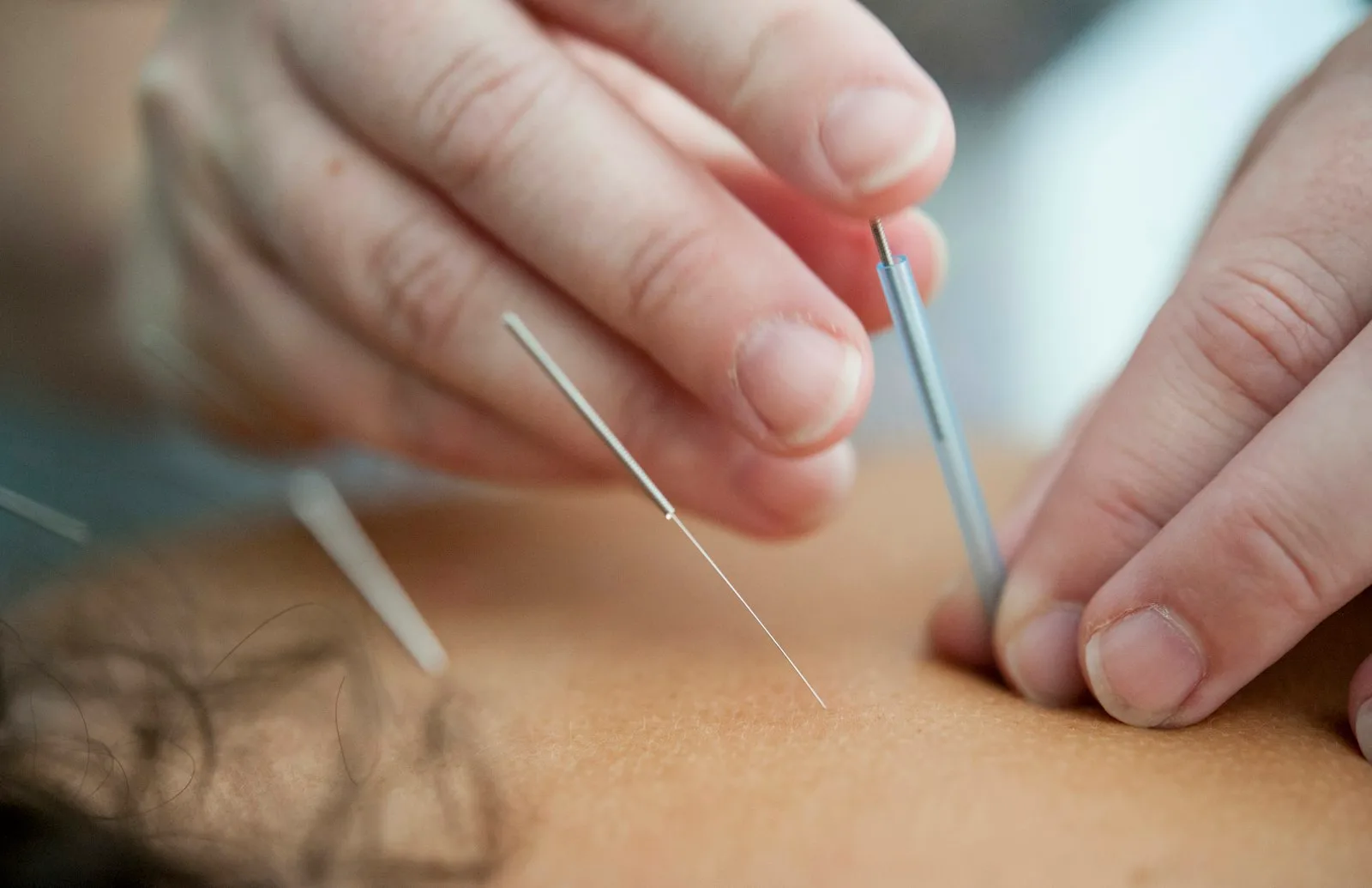
Acupuncture and dry needling both use very fine needles, but they are not the same treatment. Acupuncture is rooted in Traditional Chinese Medicine and aims to rebalance the body, while dry needling is based on modern anatomy and focuses on painful or tight muscles and trigger points. At Costa Health in Mijas and Marbella, we have clinicians that specialise in both approaches, to support pain relief, movement, and overall wellbeing.
This guide explains how each technique works, the differences between them, and how our team might use them as part of your treatment plan, including specialist care for conditions such as Parkinson’s disease.
What Is Traditional Acupuncture?
Traditional acupuncture is a core part of Traditional Chinese Medicine (TCM). It is based on the idea that health depends on the smooth, balanced flow of vital energy, known as Qi, throughout the body.
Very fine, single-use, sterile needles are inserted into specific acupuncture points located along pathways known as meridians. According to TCM theory, stimulating these points can help restore balance in the body and support its natural ability to regulate and repair itself.
Modern research suggests several possible ways acupuncture may work, including influences on the nervous system, the release of endorphins (the body’s natural pain-relieving chemicals), changes in blood flow, and modulation of pain signalling.
What can traditional acupuncture help with?
In clinical practice at Costa Health, traditional acupuncture is often used alongside other treatments to help manage:
- Chronic pain
- Neck and back pain
- Headaches and migraines
- Stress and anxiety
- Sleep disturbances
- Digestive issues
- Joint pain and arthritis
- Some neurological symptoms
Responses vary from person to person, and acupuncture is usually most effective as part of a broader care plan rather than a stand-alone solution.
Specialist Acupuncture for Parkinson’s Disease
At Costa Health, traditional acupuncture is provided by Bernard, who has extensive experience in acupuncture treatment and a particular interest in supporting people living with Parkinson’s disease.
Many people with Parkinson’s experience a combination of symptoms, such as:
- Muscle stiffness and rigidity
- Tremors
- Pain and muscle discomfort
- Balance and coordination difficulties
- Sleep disturbances
- Fatigue
Acupuncture is not a cure for Parkinson’s disease and should never replace medical treatment. However, some patients report feeling more comfortable, relaxed, and mobile when acupuncture is used alongside their usual care.
Bernard works closely with each person to develop a personalised treatment plan that is sensitive to their symptoms, medication schedule, and overall health goals.
Quick Tip: If you or a family member has Parkinson’s, bringing a brief symptom diary to your first appointment can help your clinician understand which issues affect day-to-day life the most.
What Is Dry Needling?
Dry needling is a modern, evidence-informed technique used by physiotherapists, chiropractors, osteopaths, sports therapists, and doctors to address muscular pain and dysfunction. The word “dry” refers to the fact that nothing is injected through the needle.
Although the needles are similar to those used in acupuncture, the approach is different. Dry needling focuses on specific muscles, trigger points, and areas of tissue tension, rather than on traditional acupuncture points or meridians.
What are trigger points?
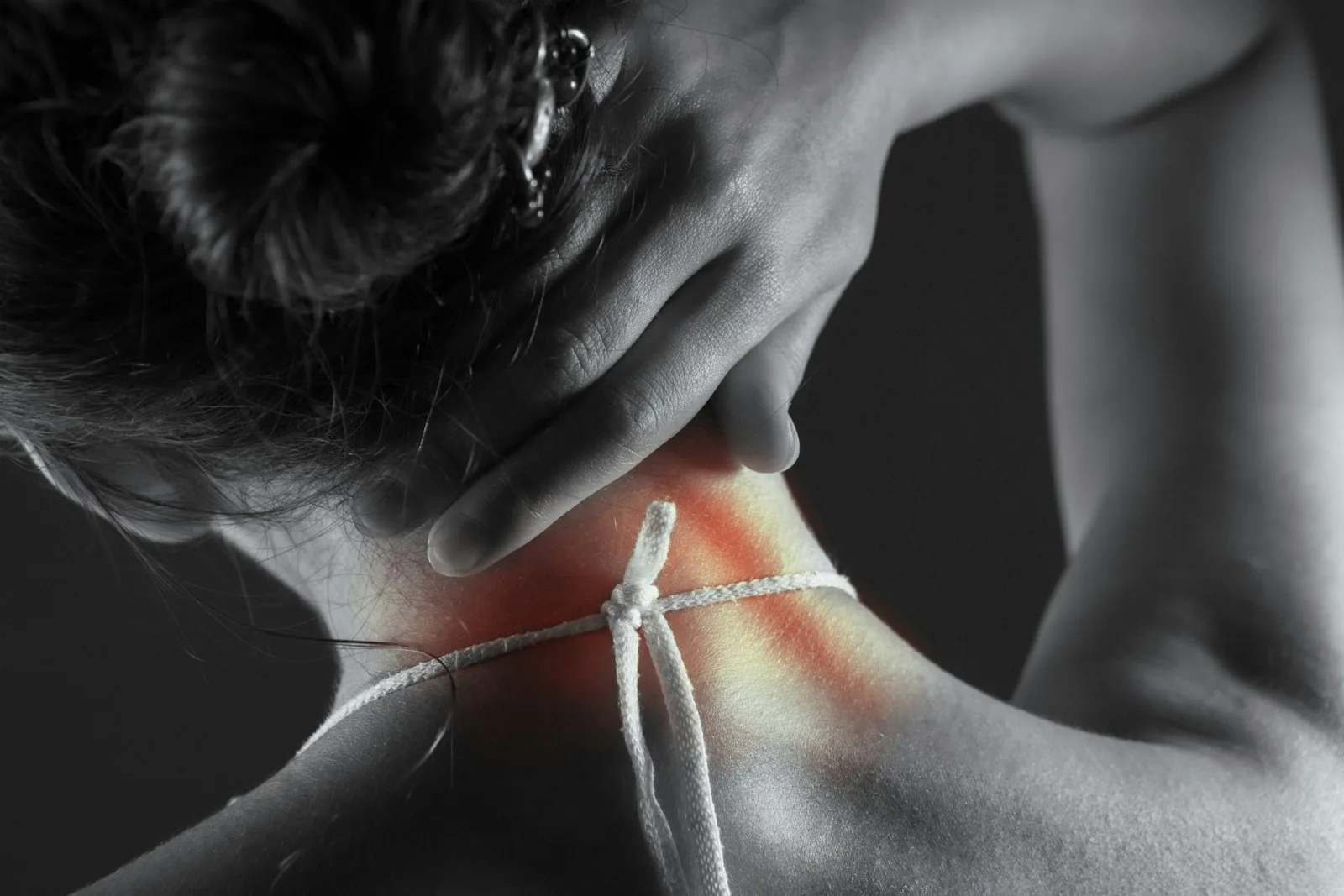
Trigger points are tight, sensitive knots within a muscle. They can cause local pain, limit movement, and sometimes refer pain to other areas, such as pain in the arm from a trigger point in the shoulder.
By inserting a fine needle directly into these points or into tight muscle bands, the clinician aims to:
- Reduce muscle tension and spasm
- Improve flexibility and range of movement
- Decrease pain
- Improve local blood flow
- Restore more normal muscle function
- Support rehabilitation after injury or surgery
Conditions Commonly Treated with Dry Needling
At Costa Health, dry needling is frequently integrated into broader treatment plans for conditions such as:
- Neck pain
- Back pain
- Sciatica
- Shoulder injuries
- Tennis elbow and other tendon-related pain
- Sports injuries
- Muscle strains
- Chronic muscular tension
- Jaw pain and temporomandibular joint (TMJ) disorders
- Postural-related muscle discomfort
Dry needling at Costa Health is carried out by our experienced physiotherapists, chiropractors, and doctors. This allows it to be combined with manual therapy, exercise rehabilitation, and lifestyle advice as part of a complete care plan.
Quick Tip: After dry needling, light movement such as gentle walking and your prescribed stretches can help reduce post-treatment soreness and support better results.
Acupuncture vs Dry Needling: Key Differences
People often ask whether acupuncture and dry needling are the same. While both use very fine needles, the theories behind them, the way they are applied, and their usual clinical aims are different.
Traditional acupuncture
- Based on Traditional Chinese Medicine principles
- Aims to restore balance within the body
- Uses established acupuncture points and meridian pathways
- Often addresses both physical and systemic health concerns
- Commonly used for pain, stress, sleep problems, digestive issues, and general wellbeing
Dry needling
- Based on modern anatomy, physiology, and neuroscience
- Targets muscles, trigger points, and local tissue dysfunction directly
- Focuses mainly on pain, muscle tightness, and movement problems
- Commonly used within rehabilitation and sports medicine
- Usually forms part of a physiotherapy, chiropractic, or medical treatment plan
In practice, both approaches can be useful when selected carefully. In some cases, clinicians may use elements of both acupuncture and dry needling, depending on the condition, your preferences, and how you respond to treatment.
Home Visit Acupuncture and Dry Needling in Mijas and Marbella
Many patients prefer to receive treatment at home, particularly if they have mobility limitations, neurological conditions, acute pain, or busy schedules.
Costa Health offers professional home visit acupuncture and dry needling services across Mijas and Marbella. Our practitioners bring all necessary equipment and aim to provide the same standard of care that you would receive in our clinics.
Home visits can be especially helpful for:
- Individuals with Parkinson’s disease
- Elderly patients
- People recovering from surgery
- Those experiencing severe pain or restricted mobility
- Busy professionals and families who find it difficult to travel
During a home visit, your clinician will carry out an assessment, discuss your goals, explain the proposed treatment, and obtain your consent before proceeding.
Why Choose Costa Health for Acupuncture or Dry Needling?
At Costa Health, patients benefit from having access to several therapeutic approaches in one clinic. Our multidisciplinary team includes:
- Acupuncturists
- Physiotherapists
- Chiropractors
- Medical doctors
- Sports therapists
This allows us to select the most appropriate combination of treatments for your condition rather than taking a one-size-fits-all approach. Acupuncture or dry needling may be used alongside hands-on therapy, exercise rehabilitation, ergonomic advice, and medical input where needed.
Whether you are seeking support for pain, recovering from an injury, managing a neurological condition such as Parkinson’s disease, or looking to improve your overall wellbeing, we will work with you to create a realistic, personalised care plan.
Booking an Acupuncture or Dry Needling Appointment
If you are looking for acupuncture or dry needling in Mijas or Marbella, Costa Health offers both clinic-based and home visit appointments.
At your first visit, your clinician will take a full history, carry out a physical assessment where appropriate, and discuss the most suitable treatment options for you. In some cases, this may include acupuncture, dry needling, or a combination of therapies. In others, a different approach may be more appropriate, and we will explain this clearly.
Contact Costa Health to speak with a member of the team and find out which treatment may be most suitable for your situation.
Frequently Asked Questions
Is acupuncture painful?
Most people find acupuncture very tolerable. The needles are extremely fine, and you may feel a brief, mild prick or a dull, heavy sensation when they are inserted. Some people describe warmth, tingling, or a feeling of heaviness around the point. Any discomfort is usually short lived, and your clinician will adjust the treatment if anything feels too strong.
Is dry needling the same as acupuncture?
No. Although both use similar fine needles, traditional acupuncture is based on Traditional Chinese Medicine and uses meridians and acupuncture points to rebalance the body. Dry needling is based on modern anatomy and targets specific muscles and trigger points to address pain and movement problems. They are different approaches, although in some treatment plans they may be used together.
How many sessions will I need?
The number of sessions varies depending on your condition, how long you have had it, your general health, and how you respond to treatment. Some people notice change within a few sessions, while others benefit from a structured course spread over several weeks. Your clinician will discuss a realistic plan with you after your assessment and review progress regularly.
Are there any side effects?
Both acupuncture and dry needling are generally considered safe when carried out by appropriately trained clinicians. Common, mild side effects can include slight bruising, temporary soreness, or tiredness after treatment. Serious complications are rare but can include infection or injury if not performed correctly. At Costa Health, we use single-use sterile needles and follow strict hygiene and safety procedures. Your clinician will also check for any medical reasons why needling might not be suitable for you.
Can I have acupuncture or dry needling if I take medication?
Many people on regular medication, including those with long-term conditions, can safely receive acupuncture or dry needling. However, certain medications, such as blood thinners, and some health conditions require extra caution or may affect whether needling is appropriate. Always bring a list of your medications and medical conditions to your appointment so your clinician can assess suitability and, if needed, liaise with your GP or specialist.