Understanding Pain: Why It Is More Than Just a Symptom

In This Article
Pain is not just an inconvenience or something you have to live with. It is your body’s warning system, and with the right assessment and treatment, many people can reduce their pain and move with more confidence. At Costa Health, we focus on understanding why your pain has developed, then use evidence based, minimally invasive and largely drug free treatments wherever appropriate.
This article explains what pain is, the different types we commonly see in clinic, and how a cause focused approach to treatment can support your recovery.
Why Pain Is More Than Just a Symptom
Whether you are living with back pain, neck pain, shoulder pain, headaches or persistent joint pain, it can affect work, sleep, mood and daily activities. Many people initially reach for painkillers, which can have an important role, particularly in the short term. However, medication alone does not always address the underlying reason the pain appeared in the first place.
At Costa Health, Dr István, an experienced doctor specialising in pain management and musculoskeletal medicine, takes a different approach. Wherever clinically appropriate, treatment is aimed at understanding the cause of your pain and supporting the body’s recovery using evidence based, minimally invasive and mainly drug free methods.
By focusing on the cause rather than only the symptoms, treatment plans can be better tailored to your individual needs, daily activities and long term goals.
Pain Is Your Body’s Warning System
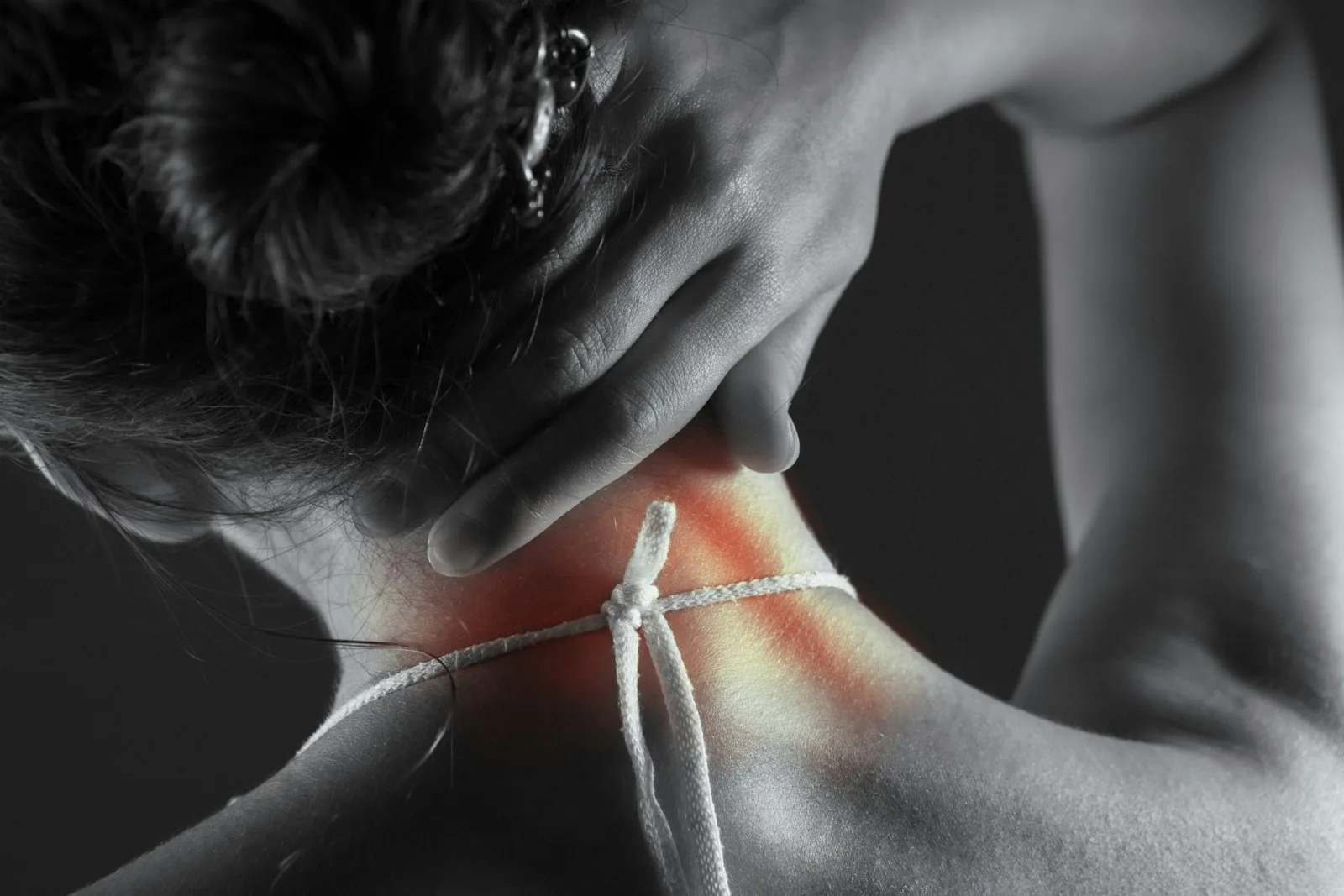
Pain itself is not the problem. Pain is a message from your nervous system telling you that something needs attention. Sometimes that message is clear, for example after a fall, sports injury or sudden strain. In other situations, pain can continue long after tissues have healed, and the nervous system becomes more sensitive. In these cases, pain can become a condition in its own right.
Understanding what sort of pain you are experiencing is essential in choosing the most appropriate treatment. The same symptom, such as lower back pain, can have very different causes, ranging from irritated joints and muscles to nerve involvement or referred pain from another area.
Quick Tip: Keeping a brief pain diary for a week - noting when your pain starts, what makes it worse or better, and how it affects sleep - can be very helpful information to bring to your assessment.
The Different Types of Pain
In clinic, pain is often grouped into a few main types. Many patients experience a mixture of these, which is why a thorough assessment is important.
Acute Pain
Acute pain develops suddenly, usually following an injury, accident or strain. It tends to be linked closely to tissue damage and can feel sharp, intense or throbbing.
Typical examples include:
- Sports injuries
- Muscle strains
- Ligament sprains
- Whiplash
- Acute back pain after lifting, twisting or sudden movement
With appropriate assessment, reassurance and treatment, most acute pain improves well over days to weeks, although recovery times vary depending on the severity and location of the injury.
Chronic (Persistent) Pain
When pain lasts longer than three months, it is usually described as chronic or persistent pain. By this stage, initial tissues may have healed, but the nervous system, muscles and joints can remain sensitive, and pain can become more complex.
Common examples include:
- Chronic neck pain
- Persistent lower back pain
- Arthritis related joint pain
- Ongoing tendon problems, such as tennis elbow or Achilles tendinopathy
- Long term shoulder pain, for example related to rotator cuff issues or stiffness
Chronic pain often benefits from a more comprehensive approach that looks at movement, strength, posture, sleep, stress and the way the nervous system processes pain signals. Treatment may involve a combination of hands on therapy, exercise rehabilitation, education and lifestyle changes.
Nerve Pain
Nerve pain, sometimes called neuropathic pain, often feels different to muscle or joint pain. It may be more intense, and it can travel along the path of a nerve.
Symptoms may include:
- Burning or electric shock type pain
- Shooting pain down an arm or leg
- Tingling or “pins and needles”
- Numbness or reduced sensation
- Weakness in the affected limb
Examples include sciatica, cervical radiculopathy (nerve irritation in the neck) and various nerve entrapment syndromes. Careful assessment is needed to identify which nerve is involved and what is contributing to the irritation or compression.
Referred Pain
Referred pain occurs when the area that hurts is not where the actual problem is. The nervous system can sometimes “misreport” the source of symptoms, so pain is felt at a distance from the underlying issue.
For example:
- Neck dysfunction contributing to headaches
- Hip problems presenting as knee pain
- Upper back or rib restrictions causing chest or shoulder discomfort
A detailed, whole body assessment is important to identify the true source of symptoms and to avoid treating only the painful area without addressing the cause.
A Holistic Approach to Pain Management at Costa Health
At Costa Health, Dr István combines his medical training with advanced musculoskeletal expertise to create personalised treatment plans for each patient. Rather than relying only on medication, the focus is on improving function, reducing pain and supporting the body’s natural healing processes.
Depending on your diagnosis and goals, your treatment may include a combination of:
- Advanced manual therapy to improve joint mobility and soft tissue function
- Dry needling to address trigger points and muscle tension where appropriate
- Medical cupping therapy to support circulation and tissue flexibility
- Collagen injections in selected cases, for specific tendon or ligament problems when clinically justified
- Joint mobilisation to gently restore movement
- Soft tissue techniques, including targeted massage and myofascial work
- Exercise rehabilitation to build strength, control and resilience
- Lifestyle and movement advice tailored to your work, sport and daily life
Every treatment programme is tailored to your individual situation, taking into account your medical history, examination findings, current symptoms and what you would like to achieve.
Quick Tip: Wear comfortable clothing that allows you to move easily to your first appointment. Bringing any previous scans or reports can also help your clinician build a clearer picture of your condition.
Why Treat the Cause Rather Than Only the Symptoms?
Pain medication can be very helpful, especially in the early stages of an injury or when pain is severe. However, if the underlying cause is not addressed, symptoms often return when the medication wears off or is reduced.
At Costa Health our aim is to:
- Identify the most likely source or sources of your pain
- Improve movement in stiff or overloaded areas
- Restore strength and control in weaker or inhibited muscles
- Support the nervous system to become less sensitive where pain has been long standing
- Help you regain confidence in your body and your ability to move
For many patients, this approach can lead to better function, more comfortable daily activities and, where appropriate, a reduced need for long term pain medication, always in coordination with their GP or specialist.
Why Patients Choose Costa Health for Pain Management
We provide a personalised, evidence based approach to pain management for residents and expats across the Costa del Sol. Patients often come to us after trying to manage their symptoms alone or relying mainly on medication.
At Costa Health you can expect:
- Comprehensive medical assessment with a focus on musculoskeletal and nerve related pain
- Expert pain management that considers the whole person, not just the painful area
- Advanced manual therapy and a range of minimally invasive techniques
- Drug free treatment options where suitable and safe
- Personalised rehabilitation programmes designed around your lifestyle and activity levels
- Clinic appointments in Marbella and Mijas for convenience
- Bespoke home visits across the Costa del Sol for patients who need or prefer care at home
Whether your symptoms are new or have been affecting you for years, the first step is a clear understanding of why they are there and what can be done about them.
Taking the Next Step
Pain should not simply be accepted as an unavoidable part of life. While not every condition can be fully resolved, many people benefit from a structured, cause focused approach that aims to reduce pain, improve movement and support long term health.
If you are unsure what is driving your pain or feel you have not had a clear explanation so far, a thorough assessment with Dr István at Costa Health can help you understand your options and plan your next steps.
Costa Health, Feel Better. Move Better. Perform Better.
Frequently Asked Questions
Is all pain a sign of serious damage?
No. Pain is a warning signal, but it does not always mean there is ongoing serious damage. In acute injuries, pain often reflects tissue irritation or strain. In longer term pain, the nervous system can become more sensitive, so pain can continue even after tissues have largely healed. However, new, severe or worsening pain should always be assessed by a qualified clinician to rule out serious problems.
How long should I wait before seeking help for pain?
If pain is severe, worrying, linked to a fall or accident, or accompanied by red flag symptoms such as chest pain, difficulty breathing, loss of bladder or bowel control, or sudden weakness, seek urgent medical attention immediately. For most musculoskeletal pains, if symptoms do not start to improve within a couple of weeks, or if they interfere with sleep, work or daily activities, it is sensible to book an assessment.
Can treatment help if I have had pain for years?
Many people with long term pain can still benefit from assessment and treatment. Chronic pain often involves several contributing factors, including stiffness, weakness, movement patterns and nervous system sensitivity. While complete relief cannot be guaranteed, a structured plan combining hands on treatment, exercise and lifestyle advice may help reduce pain, improve function and increase confidence in movement.
Will I have to stop exercising if I am in pain?
Not usually. In most cases, keeping active within comfortable limits is better than complete rest. You may need to modify certain activities in the short term, then gradually build back up with guidance. During your assessment, your clinician can advise which exercises or sports to adjust, which to continue, and how to progress safely.
Do I need a referral from my GP to see Dr István?
No you do not need a referral and can book directly with Costa Health. However, if you have complex medical conditions, are taking several medications, or have had recent surgery, it is helpful to bring any relevant letters or reports. We are happy to liaise with your GP or specialist to ensure your care is well coordinated.