Meet Dr Istvan Lukacs: A Different Approach to Pain Management

In This Article
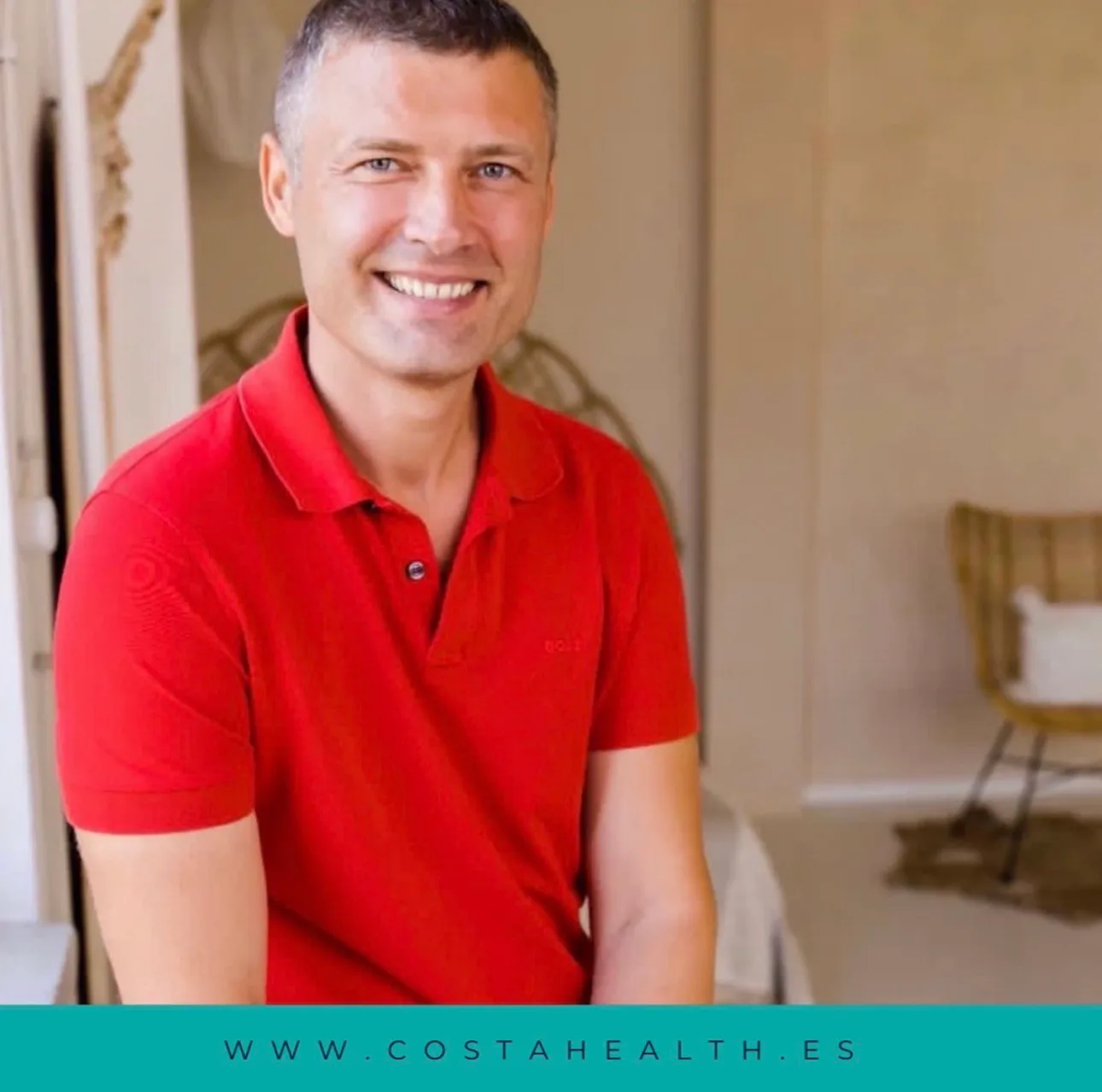
Many people live with pain for months or even years, assuming that nothing more can be done. At Costa Health, Dr Istvan Lukacs takes a different approach. By combining careful medical assessment, hands on treatment and structured rehabilitation, he focuses on understanding why pain is present and how to improve movement and function in a sustainable way.
This interview-style guide introduces Dr Lukacs, the types of conditions he commonly treats, and what you can expect if you choose to see him at Costa Health.
Meet Dr Istvan Lukacs
Dr Istvan Lukacs is dedicated to helping people regain quality of life through improved movement and more effective pain management. He has extensive experience working with patients who have musculoskeletal conditions, chronic pain and mobility problems.
His approach starts with listening. Every patient has a personal history, daily demands and previous treatment experiences. Taking the time to understand this helps him move beyond temporary symptom relief towards more lasting improvement.
Conditions Commonly Treated
Dr Lukacs regularly works with a wide range of musculoskeletal complaints, including:
- Neck pain
- Back pain
- Sciatica and nerve-related leg pain
- Shoulder injuries
- Sports injuries
- Joint pain, including hips, knees and ankles
- Tendon injuries
- Chronic pain conditions
- Postural problems
- Mobility restrictions and stiffness
Many of his patients have already tried several forms of treatment without achieving longer term results. Part of his role is to review what has and has not helped so far, then design a plan that is more closely matched to the underlying problem.
Seek urgent medical help if: You experience sudden severe pain after a fall or accident, loss of bladder or bowel control, numbness around the groin or genitals, chest pain, unexplained weight loss, night sweats, or weakness in your legs or arms that is getting worse. These symptoms can indicate serious conditions that need immediate medical attention.
Why Some People Struggle to Recover from Pain
Pain is often more complex than it first appears. Many treatments focus only on the part of the body where pain is felt, rather than on the reasons it developed.
In practice, ongoing pain can be linked to factors such as:
- Movement dysfunction or poor movement habits
- Muscle imbalance and weakness
- Overload from work, sport or daily activities
- Postural strain over time
- Biomechanical issues, for example in the feet, hips or spine
- Previous injuries that never fully recovered
If these contributing factors are not addressed, symptoms often return when normal activities resume. Dr Lukacs places strong emphasis on identifying what is driving the pain, not simply where it is felt.
Quick Tip: If your pain eases with rest but returns as soon as you go back to everyday tasks, it may be a sign that underlying strength, mobility or technique issues need to be assessed rather than relying only on short term relief.
Hands On Treatment: Tailored, Not One Size Fits All
No single technique works for everyone. After a detailed assessment, Dr Lukacs selects hands on treatments that suit the individual, their condition and their goals.
Depending on the assessment, he may use:
- Dry needling
- Soft tissue therapy and massage
- Cupping therapy
- Joint mobilisation techniques
- Movement retraining
- Rehabilitation exercises
The emphasis is on using the right combination of methods for each person, rather than following a fixed routine. Treatment plans are adjusted over time as symptoms change and function improves.
The Essential Role of Rehabilitation
Hands on care can reduce pain and stiffness, but rehabilitation helps those improvements last. Structured exercises are used to build strength, mobility, stability and confidence in movement.
Rehabilitation with Dr Lukacs typically focuses on:
- Restoring movement in areas that have become stiff or guarded
- Improving strength in supporting muscles
- Enhancing balance and joint control
- Gradually returning to work, sport or hobbies in a safe way
Without this aspect, many conditions improve temporarily and then return when activity levels increase again.
Quick Tip: Consistency is more important than intensity. Doing your prescribed exercises regularly, even for a short time each day, is usually more effective than occasional long sessions.
Home Care and Self Management
Patients spend only a small amount of time in the clinic, so what happens between appointments is crucial. Dr Lukacs provides clear home care advice that is realistic within each person’s daily routine.
This may include:
- Simple home exercises with clear instructions
- Guidance on pacing activities to avoid flare ups
- Advice on posture and workstation set up
- Suggestions for managing pain during everyday tasks
The aim is to help patients take an active role in their rehabilitation, rather than feeling dependent on treatment alone.
Home Visit Service on the Costa del Sol
For some people, travelling to the clinic is difficult. Costa Health offers a home visit service with Dr Lukacs for suitable patients along the Costa del Sol.
This option can be particularly helpful for those who:
- Have significant mobility limitations
- Are in severe pain and struggle to travel
- Have demanding schedules
- Prefer to receive assessment and treatment in their own home
Home visits allow patients to receive professional assessment and treatment in a familiar environment. It can also be useful for identifying everyday factors at home that may be contributing to pain or difficulty with movement.
Understanding Pain: More Than Just Damage
A common misconception is that pain always means damage. In reality, pain is influenced by many factors, including previous injuries, joint sensitivity, muscle tension, stress levels, sleep quality and general health.
The intensity of pain does not always match the severity of an injury. Some mild conditions can be very painful, while more significant findings on a scan can occasionally cause little or no discomfort. Learning about this can be reassuring and helps many patients feel more confident about moving again.
Advice for People Living with Long Term Pain
For those who have been in pain for a long time, it can be easy to feel that nothing will change. Dr Lukacs encourages people not to lose hope.
With a careful assessment, a clear explanation of the problem and a tailored treatment and rehabilitation plan, meaningful improvement is often possible, even if symptoms have been present for months or years. The most important first step is to understand what is really driving the pain and which factors can be changed.
Your First Appointment with Dr Istvan Lukacs
At your initial consultation, you can expect a thorough assessment rather than a quick treatment session.
What the assessment usually includes
- A detailed discussion of your symptoms and how they affect daily life
- Review of your medical history and any previous investigations or treatments
- Assessment of posture, movement and specific joints or muscles
- Explanation of the likely contributing factors to your pain
- Development of a tailored treatment and rehabilitation plan
The aim is not only to reduce pain, but also to help you move better, function more comfortably and return to the activities that matter to you.
Booking an Appointment
If you are living with persistent back pain, recovering from a sports injury or looking for a more comprehensive approach to musculoskeletal health, an appointment with Dr Istvan Lukacs may be a helpful next step.
Consultations are available at Costa Health Marbella, with home visit appointments offered for suitable patients along the Costa del Sol. Our team can advise you on which option is most appropriate based on your symptoms, mobility and personal circumstances.
Frequently Asked Questions
What types of pain does Dr Lukacs treat?
He treats a wide range of musculoskeletal problems, including neck and back pain, sciatica, shoulder and sports injuries, tendon and joint pain, postural issues, chronic pain conditions and mobility restrictions. If you are unsure whether your symptoms are suitable, the Costa Health team can advise you before you book.
Will I receive treatment at my first appointment?
In most cases, yes. After a thorough assessment and discussion, Dr Lukacs will usually begin hands on treatment and outline initial rehabilitation exercises, provided it is safe and appropriate to do so. In more complex cases, the first session may focus more on understanding your condition and planning the most suitable approach.
How many sessions will I need?
The number of sessions varies depending on your condition, how long you have had symptoms and your goals. Some patients notice improvement within a few sessions, while others with long standing or complex issues may need a longer course of care. After your assessment, Dr Lukacs will give you a clearer idea of what to expect.
Are home visits suitable for everyone?
Home visits are ideal for patients who find it difficult to travel to the clinic due to pain, mobility limitations or other circumstances. However, they are not always the best option for every case. When you contact Costa Health, the team will discuss your situation and advise whether a clinic appointment or home visit is more appropriate.
Do I need a referral to see Dr Lukacs?
No, a referral is not usually required. You can contact Costa Health directly to book an appointment. If you have any recent scan reports or medical letters, it is helpful to bring them with you so that Dr Lukacs can review them during your consultation.