Why Does Menopause Cause Joint Pain? Understanding the Link and What Can Help

In This Article
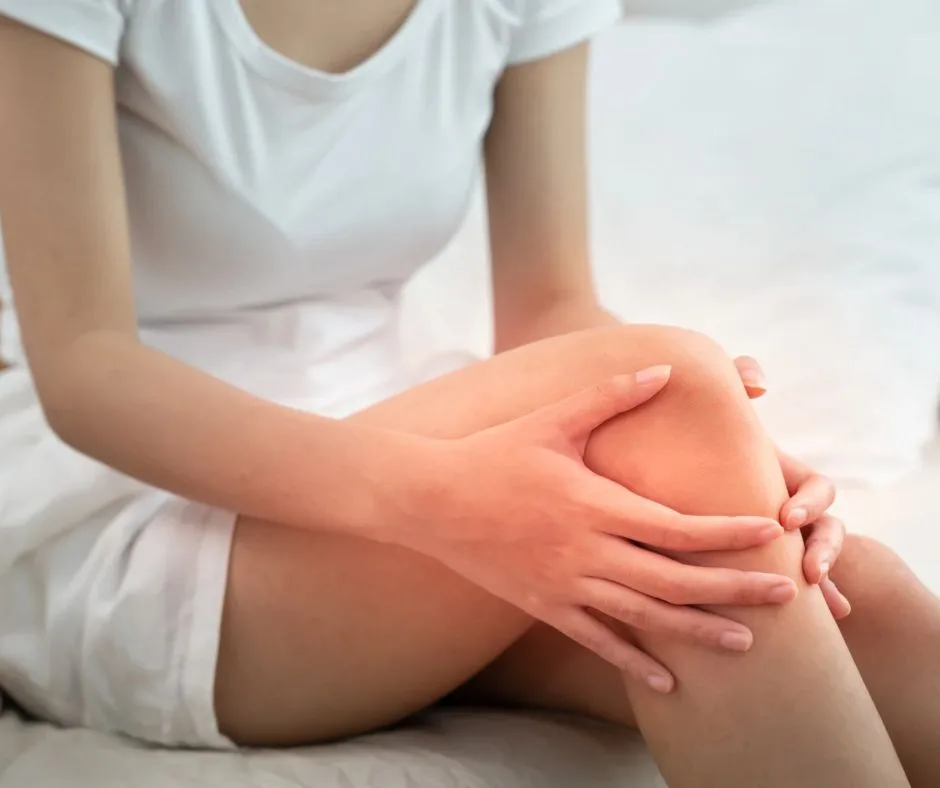
If you have noticed new aches, stiffness, sore knees, painful hands, tight hips, or joints that seem to complain for no clear reason during menopause, you are not imagining it. Joint pain is one of the most common yet least discussed symptoms of perimenopause and menopause.
Many women expect hot flushes, mood changes, and sleep disruption, but are surprised when their body suddenly feels older, stiffer, or more inflamed. So what is actually happening, and what can you do about it?
Why Does Menopause Cause Joint Pain?
The key reason is the decline in oestrogen. Oestrogen does far more than regulate menstrual cycles. It also helps support:
- Healthy joint cartilage
- Lubrication within joints
- Bone strength
- Muscle recovery
- Collagen production
- Regulation of inflammation throughout the body
As oestrogen levels fluctuate and eventually fall during perimenopause and menopause, many women become more prone to:
- Stiff joints in the morning
- Aching hands, wrists, and fingers
- Knee discomfort
- Hip pain
- Neck and shoulder tension
- Increased recovery time after exercise
- Generalised inflammation and soreness
Some women describe it as feeling like they have aged overnight. That experience is real, and it has a clear physiological explanation.
Why Joint Pain Often Feels Worse in the Morning
Hormonal changes can increase inflammation and reduce tissue recovery overnight. Poor sleep, which is also very common during menopause, adds another layer to this.
When sleep quality drops, pain sensitivity rises. This means discomfort can feel more intense, recovery slows, and joints may feel particularly stiff on waking. Addressing sleep quality is therefore an important part of managing menopausal joint pain, not just a separate issue.
How Weight Changes Can Add to the Problem
Many women notice changes in body composition during midlife, driven by hormonal shifts, insulin resistance, stress, and a gradual reduction in muscle mass. Even modest weight gain can increase the load placed on the:
- Knees
- Hips
- Lower back
- Feet
This additional load can amplify symptoms that were previously mild or barely noticeable, making it seem as though joint problems have appeared out of nowhere.
How to Support Your Body Naturally
1. Strength Training
Muscle is protective for joints. Resistance exercise helps stabilise the knees, hips, shoulders, and spine, while also improving metabolism and bone density. This is particularly important during and after menopause, when bone loss can accelerate.
Quick Tip: Even two sessions of resistance training per week can make a meaningful difference to joint stability and muscle mass. Start with bodyweight exercises if you are new to strength work, and build gradually.
2. Daily Movement
Walking, swimming, Pilates, yoga, and mobility work all help reduce stiffness and maintain range of movement. Consistency matters more than intensity, so finding activities you enjoy is key.
3. Anti-Inflammatory Nutrition
What you eat can influence how much inflammation your body carries. Focus on:
- Protein with each meal
- Colourful vegetables
- Omega-3-rich foods such as oily fish, flaxseed, and walnuts
- Nuts and seeds
- Adequate hydration
- Reducing ultra-processed foods and excess sugar
4. Key Nutrients to Consider
Some women benefit from checking or supporting their levels of:
- Vitamin D
- Magnesium
- Omega-3 fats
- Calcium, if dietary intake is low
- Creatine, for muscle support (need to discuss with nutritionist)
Always seek personalised advice from a qualified clinician before starting any supplementation.
5. Stress Management
Higher cortisol levels can worsen inflammation, disrupt sleep, and increase pain sensitivity. Nervous system regulation, through breathwork, rest, and the reduction of chronic stress, plays a more significant role in physical well-being than is often appreciated.
Quick Tip: Even ten minutes of intentional relaxation or gentle breathing exercises each day can help lower cortisol levels and support better sleep, both of which have a positive knock-on effect on joint comfort.
Can Hormone Therapy Help Joint Pain?
For many women, yes. Hormone Replacement Therapy (HRT) can significantly improve menopausal symptoms, including joint aches and stiffness. Restoring oestrogen levels may help reduce inflammation, support connective tissues, improve sleep quality, and enhance overall comfort.
For some women, testosterone may also be considered where clinically appropriate. Women naturally produce testosterone, and optimal levels can support muscle mass, strength, motivation, recovery, cognitive function, and libido. Improved muscle support and physical resilience may also positively affect joint health.
Hormone treatment should always be individualised and guided by a qualified menopause clinician who can assess your full health picture.
You Do Not Have to Simply Put Up With It
If your joints have become noisier, stiffer, or more painful during menopause, this is common and explainable. It is not simply a matter of getting older, and it is not something you need to accept without support.
With the right approach, many women feel significantly better. If menopausal aches and stiffness are affecting your quality of life, speaking with a qualified menopause clinician is a good first step towards exploring the treatment options available to you.
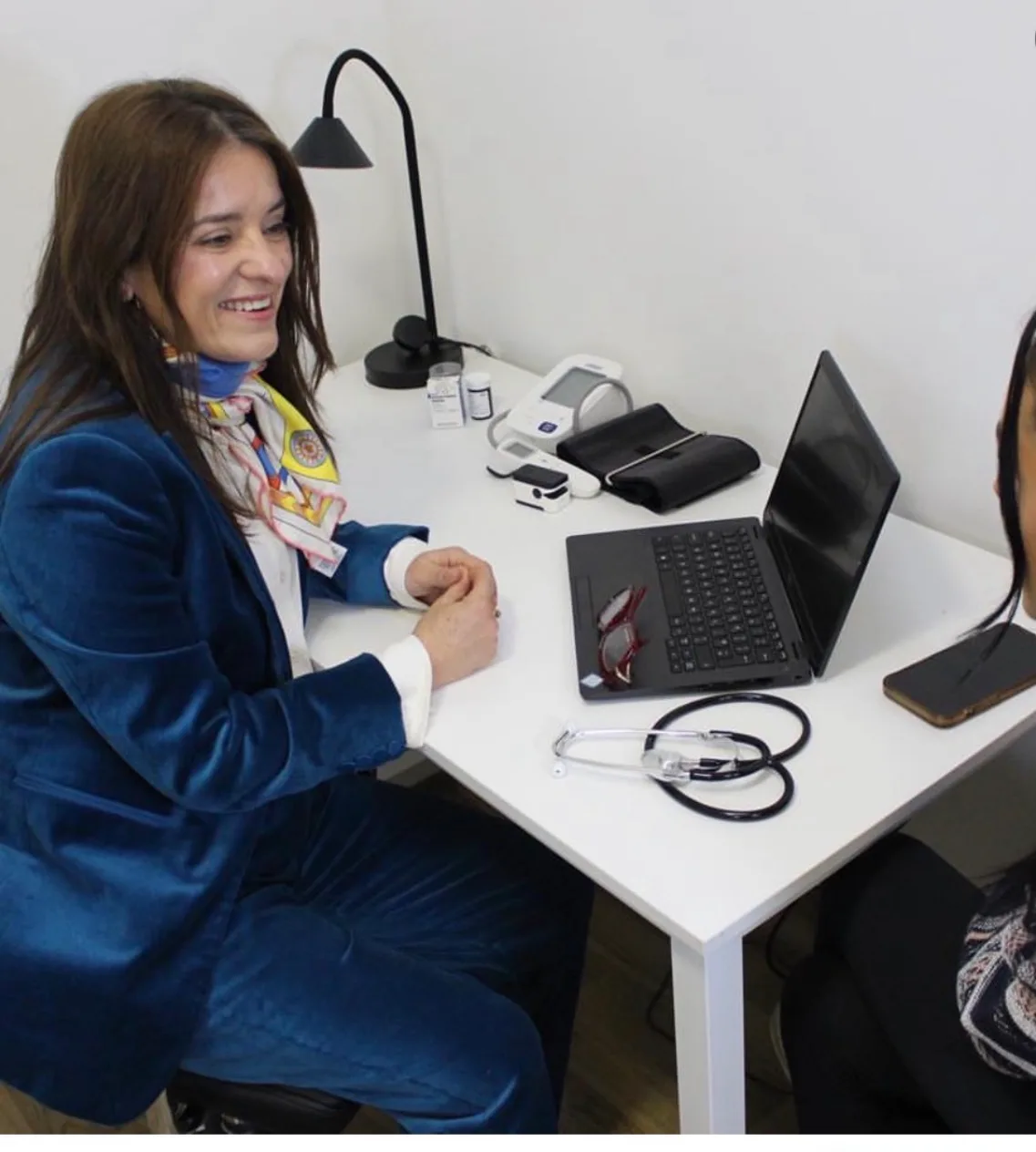
If you are currently struggling with joint pain and would like a thorough assessment, you are very welcome to reach out to Dr Delgado, one of our collaborating doctors in women’s health. She offers both online video consultations and in-clinic appointments across Estepona and Marbella, providing flexible support tailored to your needs.
Frequently Asked Questions
Is joint pain a recognised symptom of menopause?
Yes. Joint pain and stiffness are well-recognised symptoms of perimenopause and menopause, though they are often less discussed than hot flushes or mood changes. The decline in oestrogen affects cartilage, collagen, and the regulation of inflammation, all of which can contribute to joint discomfort.
Which joints are most commonly affected during menopause?
The hands, wrists, fingers, knees, hips, and shoulders are among the most commonly affected areas. Some women also experience increased neck and lower back tension. Symptoms can vary considerably from person to person.
Can HRT help with menopausal joint pain?
For many women, yes. Hormone Replacement Therapy can help reduce inflammation, support connective tissues, and improve sleep quality, all of which may ease joint pain. Whether HRT is appropriate for you depends on your individual health history and should be discussed with a qualified menopause clinician.
Does exercise help with joint pain during menopause?
Yes, regular movement is one of the most effective ways to manage menopausal joint pain. Strength training helps stabilise joints and maintain muscle mass, while activities such as walking, swimming, Pilates, and yoga can reduce stiffness and improve mobility. Consistency is more important than intensity.
Why do my joints feel worse in the morning during menopause?
Hormonal changes can increase overnight inflammation and reduce tissue recovery during sleep. Poor sleep quality, which is also common during menopause, raises pain sensitivity. This combination often means joints feel at their stiffest first thing in the morning.
Are there dietary changes that can help with menopausal joint pain?
Yes. An anti-inflammatory diet rich in protein, colourful vegetables, omega-3 fatty acids, nuts, and seeds can help reduce systemic inflammation. Staying well hydrated and limiting ultra-processed foods and excess sugar may also make a noticeable difference over time.