The Truth About HRT: Modern, Evidence-Based Menopause Care for Women in Spain

In This Article
For too long, many women have been told to simply tolerate fatigue, weight changes, poor sleep, anxiety, low libido, brain fog, and distressing menopause symptoms as an unavoidable part of ageing. That standard of care is no longer good enough.
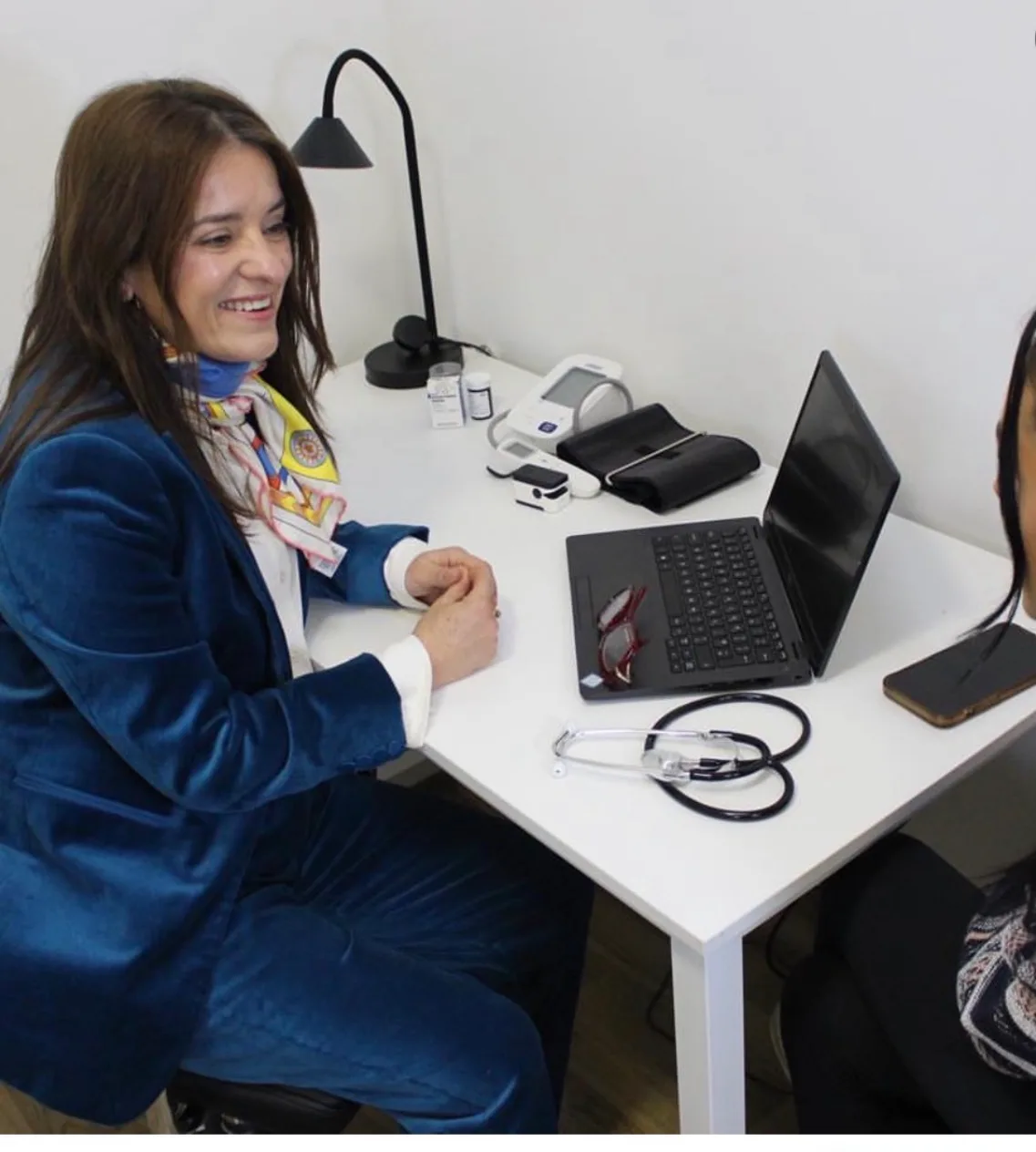
After more than 20 years working as a GP with a special interest in women’s health, Dr. Delgado brings a modern, evidence-based approach to women’s healthcare in Spain. The focus is straightforward: helping women feel well, function well, and thrive through every stage of midlife and beyond.
Hormone Replacement Therapy (HRT) is one of the most effective tools available for many women, yet it remains surrounded by confusion, outdated fears, and misinformation. This guide answers the questions women most often ask and explains what current evidence really tells us.
What Is HRT?
HRT replaces hormones that naturally decline during perimenopause and menopause, primarily oestrogen, and where appropriate, progesterone and sometimes testosterone. It can help relieve symptoms caused by hormonal change and improve quality of life.
Common reasons women seek support include:
- Hot flushes
- Night sweats
- Poor sleep
- Anxiety
- Brain fog
- Mood changes
- Vaginal dryness
- Reduced libido
- Weight gain concerns
- Joint aches
- Fatigue
- Loss of confidence
For many women, HRT is the most effective treatment for hot flushes and night sweats, and may significantly improve overall wellbeing.
Why Are So Many Women Still Struggling?
Many women report feeling dismissed, unheard, or told their blood tests are normal despite feeling far from well. Others are prescribed treatments for isolated symptoms without addressing the hormonal changes driving the bigger picture.
A modern women’s health approach looks at the whole person, including:
- Hormonal health
- Sleep quality
- Stress load
- Metabolic health
- Nutrition
- Bone health
- Sexual wellbeing
- Mood and cognitive function
- Cardiovascular risk
- Lifestyle factors
Menopause care should be proactive, not reactive.
Quick Tip: If you feel your symptoms are being dismissed, you are entitled to seek a second opinion. A thorough assessment should consider your full health picture, not just individual test results.
Is HRT Safe?
For many healthy women, yes. Modern research has helped correct much of the fear generated by older headlines. We now understand that safety depends on a range of individual factors, including:
- Age and timing of treatment
- Personal and family medical history
- Weight and smoking status
- Migraine history
- Cardiovascular risk
- Type of HRT used and route of delivery
For many women under 60, or within 10 years of menopause, the benefits often outweigh the risks when treatment is carefully selected and monitored.
What Is the Best Type of HRT?
There is no single best HRT for everyone. The most appropriate option is the one tailored to your individual needs. Many modern clinicians favour the following approaches:
Transdermal Oestrogen
Delivered as a patch, gel, or spray, transdermal oestrogen is often preferred because it bypasses the liver and may carry a lower clot risk than oral tablets in some women.
Micronised Progesterone
Used when progesterone is required to protect the womb lining, micronised progesterone is a body-identical option that many women tolerate well.
Vaginal Oestrogen
Particularly effective for dryness, discomfort, recurrent urinary infections, and bladder symptoms. It can be used alongside systemic HRT or as a standalone treatment.
Testosterone
May be considered in selected women with persistent low libido after full assessment.
What Symptoms Can HRT Help?
Women are often surprised by how many symptoms may relate to hormonal change. HRT may help with a wide range of physical, mental, and emotional symptoms.
Physical Symptoms
- Hot flushes and night sweats
- Poor sleep
- Vaginal dryness
- Bladder irritation
- Joint aches
- Headaches
- Reduced recovery
Mental and Emotional Symptoms
- Anxiety and irritability
- Low mood
- Brain fog
- Poor concentration
- Loss of motivation
Common Myths About HRT
Myth 1: Menopause Is Just Something You Must Endure
This is not true. Effective treatment exists, and no woman should feel obliged to simply push through significant symptoms without support.
Myth 2: HRT Is Unsafe for Everyone
This is not true. Many women are suitable candidates, and for a significant proportion, the benefits outweigh the risks when assessed individually.
Myth 3: Low Libido Is Simply Part of Ageing
Hormones, stress, relationship factors, sleep quality, and general health all contribute to libido. It is worth investigating rather than accepting.
Myth 4: Weight Gain Means You Need Less Food and More Cardio
Hormonal shifts during menopause often require a more considered strategy - one that includes strength training, adequate protein, improved sleep, and metabolic support.
Myth 5: Common Symptoms Are Normal and Should Be Accepted
Common does not mean normal, and it does not mean you should suffer. Many symptoms that are frequently dismissed are both treatable and worth addressing.
Quick Tip: Keeping a symptom diary before your appointment can help your clinician build a clearer picture of how hormonal changes are affecting your daily life - and lead to a more targeted treatment plan.
What If I Do Not Want HRT?
That is a completely valid choice. Good menopause care is not about prescribing hormones to every woman, it is about informed, personalised decision-making. Alternatives may include:
- Lifestyle intervention and nutrition support
- Strength training and exercise programmes
- Sleep optimisation
- Cognitive behavioural therapy
- Non-hormonal medication options
- Stress management
- Vaginal therapies
A New Standard of Women’s Care in Spain
Women in Spain deserve access to progressive, evidence-based, personalised care. Dr. Delgado brings over two decades of experience as a GP with a special interest in women’s health to this work, combining:
- Evidence-based medicine
- Thoughtful hormone prescribing where appropriate
- Preventive health strategy
- Midlife metabolic support
- Compassionate listening
- Individualised treatment plans
This is not one-size-fits-all medicine. It is precision care for women at every stage of midlife and beyond.
You do not need to accept feeling exhausted, foggy, flat, or dismissed. Whether you need HRT, lifestyle medicine, deeper investigation, or a different route entirely, the first step is a proper, thorough assessment. When women are listened to and treated appropriately, the results can be significant.
Disclaimer: This article is educational and does not replace personalised medical advice. Women with a history of cancer, blood clots, liver disease, stroke, or unexplained bleeding should seek specialist medical review before starting any treatment.
Frequently Asked Questions
Does HRT cause weight gain?
This is one of the most persistent myths surrounding HRT. Menopause itself often shifts body composition, increases insulin resistance, and makes weight management more difficult. HRT is not usually the cause of weight gain. In some women, improving sleep, energy levels, and metabolic function through HRT may actually support healthier body composition over time.
Does HRT cause breast cancer?
This requires an honest, personalised conversation rather than a blanket answer. Risk depends on several factors, including whether oestrogen-only or combined HRT is used, the duration of treatment, the type of progesterone, personal risk factors, and lifestyle factors such as alcohol intake and weight. Individual risk assessment is essential, and your clinician should discuss this with you in detail before starting treatment.
How long can I stay on HRT?
There is no arbitrary stop date. Some women use HRT for a shorter period to manage acute symptoms, while others continue longer term because the benefits remain significant. Treatment should be reviewed regularly and decisions based on your symptoms, current health profile, and personal preference.
Can I access HRT as an expat living in Spain?
Yes. Dr. Delgado offers online women’s health consultations as well as in-house appointments at various locations in Estepona and Marbella. She is experienced in supporting English-speaking women living on the Costa del Sol. A thorough assessment will determine the most appropriate approach for your individual needs.
What happens at a first menopause consultation?
A first consultation involves a detailed review of your symptoms, medical and family history, lifestyle, and health goals. This holistic assessment allows for a personalised plan to be developed, whether that involves HRT, non-hormonal options, lifestyle support, or a combination of approaches.