Osteoporosis, Osteopenia and Menopause: The Silent Health Risk Many Women Don't See Coming
In This Article
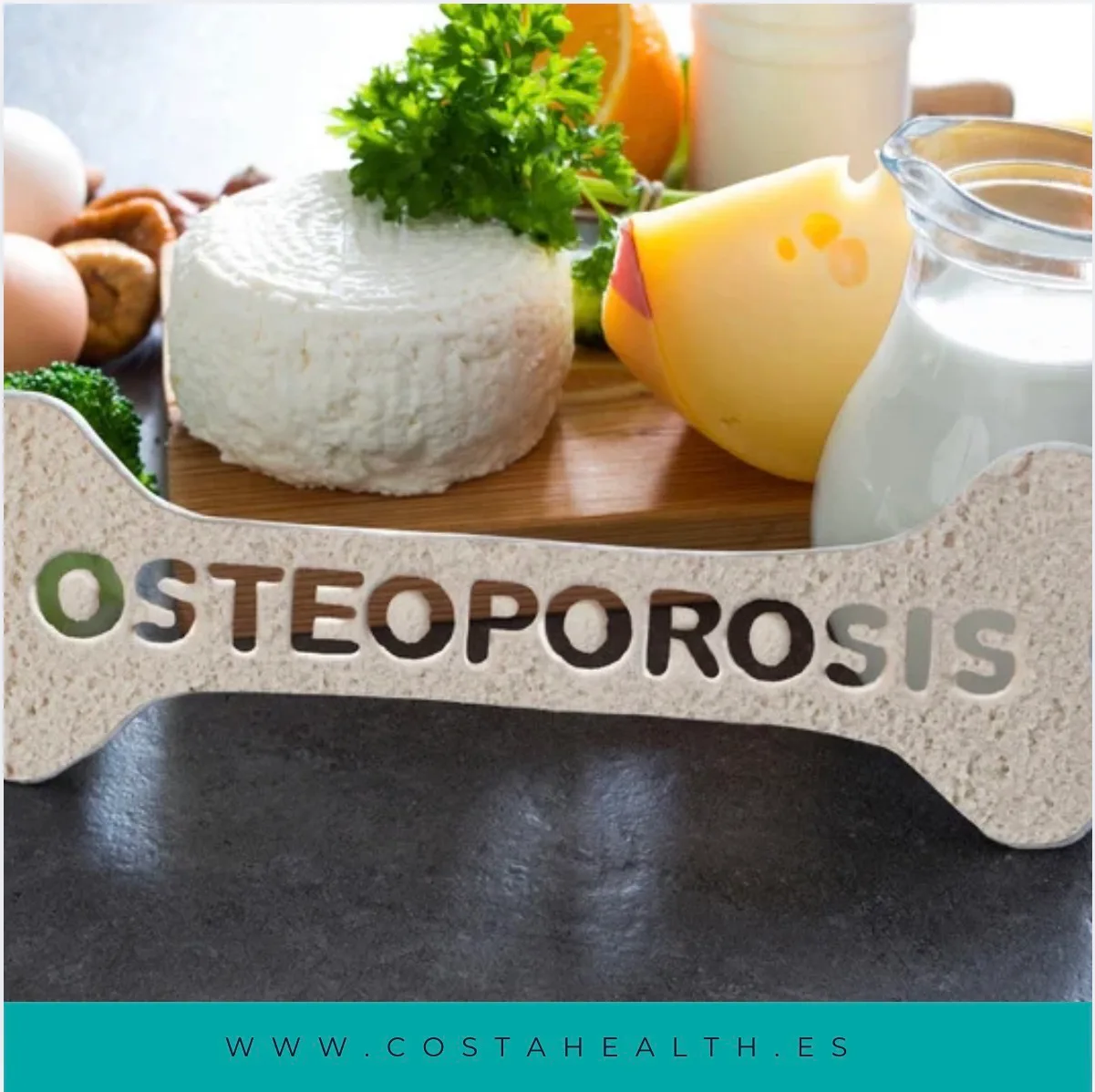
Osteopenia and osteoporosis are common, often silent problems that affect many women in their forties, fifties and beyond, especially around the time of menopause. Falling oestrogen levels can lead to gradual bone loss, which may not cause symptoms until a fracture occurs. Understanding your risk and taking early action with lifestyle changes, medical guidance and appropriate assessment can make a real difference to long-term bone health.
The Hidden Bone Risk Around Menopause
Most women entering their forties and fifties are prepared for some of the more commonly discussed symptoms of menopause:
- Hot flushes
- Brain fog
- Poor sleep
- Mood changes
- Weight gain
Alongside these well-known symptoms, another important health concern often develops quietly in the background: bone loss.
Osteoporosis often progresses slowly over many years, with no obvious symptoms until a fracture occurs. For many women, the first sign that something is wrong is a broken wrist, a fractured vertebra or a hip fracture after what seems like a relatively minor fall. By that time, significant bone loss may already have taken place.
Seek urgent medical help if: You have a fall followed by severe pain, are unable to weight bear, notice a sudden change in spine shape, or develop new weakness, numbness, problems controlling your bladder or bowels, chest pain or shortness of breath. These symptoms need immediate medical assessment.
What Is Osteopenia?
Osteopenia is the stage before osteoporosis. It means your bone density is lower than average for your age, but not yet low enough to meet the criteria for osteoporosis.
You can think of osteopenia as an early warning sign. Your bones are becoming weaker and more fragile, but there is still an opportunity to slow, stabilise, or in some cases improve bone density with the right support.
Many women have osteopenia without realising it. Common features include:
- Often no pain
- No obvious symptoms
- No warning signs before a scan
Without a bone density scan, osteopenia can go completely unnoticed. This is why understanding your risk factors and considering assessment around the time of menopause can be so valuable.
What Is Osteoporosis?
Osteoporosis is a condition in which bones become fragile and more likely to fracture. The internal structure of the bone becomes less dense and less able to cope with everyday stresses such as lifting, bending or minor falls.
Common sites for osteoporotic fractures include:
- Spine (vertebrae)
- Hip
- Wrist
- Shoulder
These fractures can have a major impact on independence, mobility, confidence and overall quality of life. Spinal fractures, in particular, may lead to height loss, changes in posture and long-term back pain.
How Menopause Affects Your Bones
Oestrogen plays a key role in maintaining bone strength. Throughout adult life there is a natural balance between bone breakdown and bone formation. Old bone tissue is constantly being removed and replaced with new bone.
When oestrogen levels start to decline during perimenopause and menopause, this balance changes. Bone breakdown can begin to occur faster than bone rebuilding. Over time this can lead to:
- Reduced bone density
- Weaker bones
- Higher risk of fractures
Women can lose a notable amount of bone density in the years surrounding menopause. This is one of the reasons why menopause should be seen as far more than simply a reproductive transition. It is a whole-body health transition that affects many systems, including the skeleton.
Who Is At Higher Risk Of Osteopenia Or Osteoporosis?
Some factors increase the likelihood of developing osteopenia or osteoporosis. These include:
- Menopause
- Early menopause (for example, before age 45)
- Family history of osteoporosis or hip fracture
- Smoking
- Excessive alcohol intake
- Low body weight or very low body mass index (BMI)
- Poor nutrition or low intake of calcium and protein
- Vitamin D deficiency
- Sedentary lifestyle or long periods of immobility
- Long-term use of steroids (such as prednisolone)
- Certain medical conditions, for example some inflammatory, hormonal or gastrointestinal conditions
Having one or more of these risk factors does not mean you will definitely develop osteoporosis, but it does make early assessment and an individualised bone health plan more important.
Quick Tip: If you are unsure about your personal risk, make a simple list of your medical history, medications and lifestyle factors. Bring this to your GP or menopause specialist so they can give tailored advice about bone health checks and treatment options.
When To Consider A Bone Health Assessment
You may benefit from a bone health assessment if you:
- Are peri-menopausal or postmenopausal
- Have a family history of osteoporosis or hip fracture
- Have experienced a previous fracture, especially from a low-impact injury or minor fall
- Have noticed height loss or a change in posture
- Have persistent or recurrent back pain without a clear cause
- Have other risk factors for bone loss, such as long-term steroid use or very low body weight
- Are simply concerned about your long-term bone health or future independence
A DEXA (dual-energy X-ray absorptiometry) scan is commonly used to assess bone density. It can identify whether osteopenia or osteoporosis is present and help guide treatment decisions. In the UK and across Europe, DEXA scanning is often arranged via your GP or specialist, sometimes using fracture risk assessment tools to help decide if a scan is appropriate.
Can Bone Loss Be Prevented Or Slowed?
In many cases, there is a great deal women can do to support bone health and reduce fracture risk. It is rarely about just one change. The best results usually come from combining lifestyle measures with medical treatment where appropriate.
Strength Training And Weight-Bearing Exercise
Strength training is one of the most effective tools available for supporting bone health. Bones respond to load, so when muscles pull on bone during resistance exercise, this can help maintain or improve bone density.
Helpful types of exercise often include:
- Resistance training using weights, machines or resistance bands
- Weight-bearing exercise such as brisk walking, stair climbing or dancing
- Balance and coordination exercises to reduce the risk of falls
If you are new to exercise, have been inactive for a while or already have osteoporosis, it is important to build up gradually and seek guidance from a suitably trained professional such as a physiotherapist or exercise specialist. Certain high-impact or twisting movements may not be appropriate for everyone with spinal bone loss.
Nutrition For Stronger Bones
A balanced diet is vital for bone health. In particular, adequate intake of:
- Protein to support muscle and bone repair
- Calcium as a key building block of bone
- Vitamin D to help the body absorb and use calcium effectively
Many women find it useful to review their diet with a healthcare professional, especially if they avoid dairy, have digestive conditions or follow a restricted eating pattern. Blood tests may be recommended to check vitamin D levels and other markers of health.
Lifestyle Choices That Support Bone Health
Certain day-to-day habits have a clear impact on bone strength. Helpful lifestyle strategies include:
- Keeping physically active across the week
- Avoiding smoking
- Limiting excessive alcohol intake
- Maintaining a healthy body weight, avoiding being significantly underweight
- Reducing long periods of sitting with regular movement breaks
Hormone Replacement Therapy (HRT)
For some women, hormone replacement therapy can play an important role in helping to protect bone density during and after menopause. Oestrogen-containing HRT can help reduce the rate of bone loss and lower fracture risk in suitable patients.
HRT is not right for everyone. Decisions should always be made with an appropriately trained healthcare professional after a full discussion of your medical history, risk factors, symptoms and preferences. Other medications may also be recommended for osteoporosis, such as bisphosphonates or other bone-protective treatments, depending on your individual situation.
Quick Tip: Before your menopause or GP appointment, write down your key symptoms, any past fractures and a list of medicines or supplements you take. This helps your clinician assess your bone health risk more accurately within a short consultation.
Menopause: More Than Hot Flushes
A common misconception is that menopause care is only about managing symptoms such as hot flushes or sleep problems. While those symptoms deserve attention, there is also a much wider health picture to consider.
Menopause can influence:
- Cardiovascular health
- Metabolic health and body weight
- Brain health and mood
- Muscle strength and mass
- Bone health and fracture risk
Looking after your bones now may significantly influence your mobility, independence and quality of life in later years. For many women, it is helpful to think of midlife as a time to invest in healthy ageing, rather than waiting for problems to appear.
Do Not Wait For A Fracture
The difficulty with osteoporosis is that it often develops quietly. By the time a fracture occurs, bone loss may have been progressing for several years.
The positive news is that early assessment creates opportunities for prevention, education and intervention before significant problems develop. Even if you already have osteopenia or osteoporosis, there are usually still helpful steps you can take.
If you are concerned about menopause, osteopenia, osteoporosis or your long-term bone health, speaking with a healthcare professional who understands women’s health and menopause can help you:
- Understand your personal level of risk
- Decide whether a DEXA scan or other tests are appropriate
- Explore lifestyle changes that fit your current fitness and health
- Discuss medical treatment options where needed
Healthy ageing is not only about living longer. It is about staying strong, mobile and confident enough to enjoy the life you want on the Costa del Sol and beyond.
Frequently Asked Questions
Can you feel osteopenia or osteoporosis developing?
In most cases, no. Osteopenia and osteoporosis usually do not cause pain or obvious symptoms until a fracture occurs. Some people notice gradual height loss or a change in posture due to spinal fractures, but this often appears only after bone loss has already become significant. This is why risk assessment and, where appropriate, a DEXA scan are important rather than relying on how your bones feel.
Is bone loss around menopause inevitable?
Some degree of bone loss is common around the time of menopause because of the drop in oestrogen. However, the amount of bone loss and the impact on fracture risk can vary widely. Lifestyle measures such as strength training, a balanced diet with sufficient calcium and vitamin D, avoiding smoking and limiting alcohol, together with appropriate medical treatment where needed, can help reduce bone loss and protect your bones.
Do all women going through menopause need a DEXA scan?
No, not everyone needs a DEXA scan. In the UK and Europe, decisions about bone density scanning are usually based on overall fracture risk, taking into account age, medical history, family history, medications and lifestyle factors. Your GP or menopause specialist can use a structured risk assessment tool to help decide whether a scan would be useful for you.
If I already have osteoporosis, is it too late to help my bones?
It is rarely too late to make a positive difference. Once osteoporosis is diagnosed, your healthcare team can advise on treatment options such as bone-strengthening medication, HRT where appropriate, and an exercise and nutrition plan tailored to your needs. While lost bone density cannot always be fully restored, it is often possible to slow further loss, reduce fracture risk and support your strength and balance to help prevent falls.