Men's Testosterone: What It Is, How It Changes & What To Do

In This Article
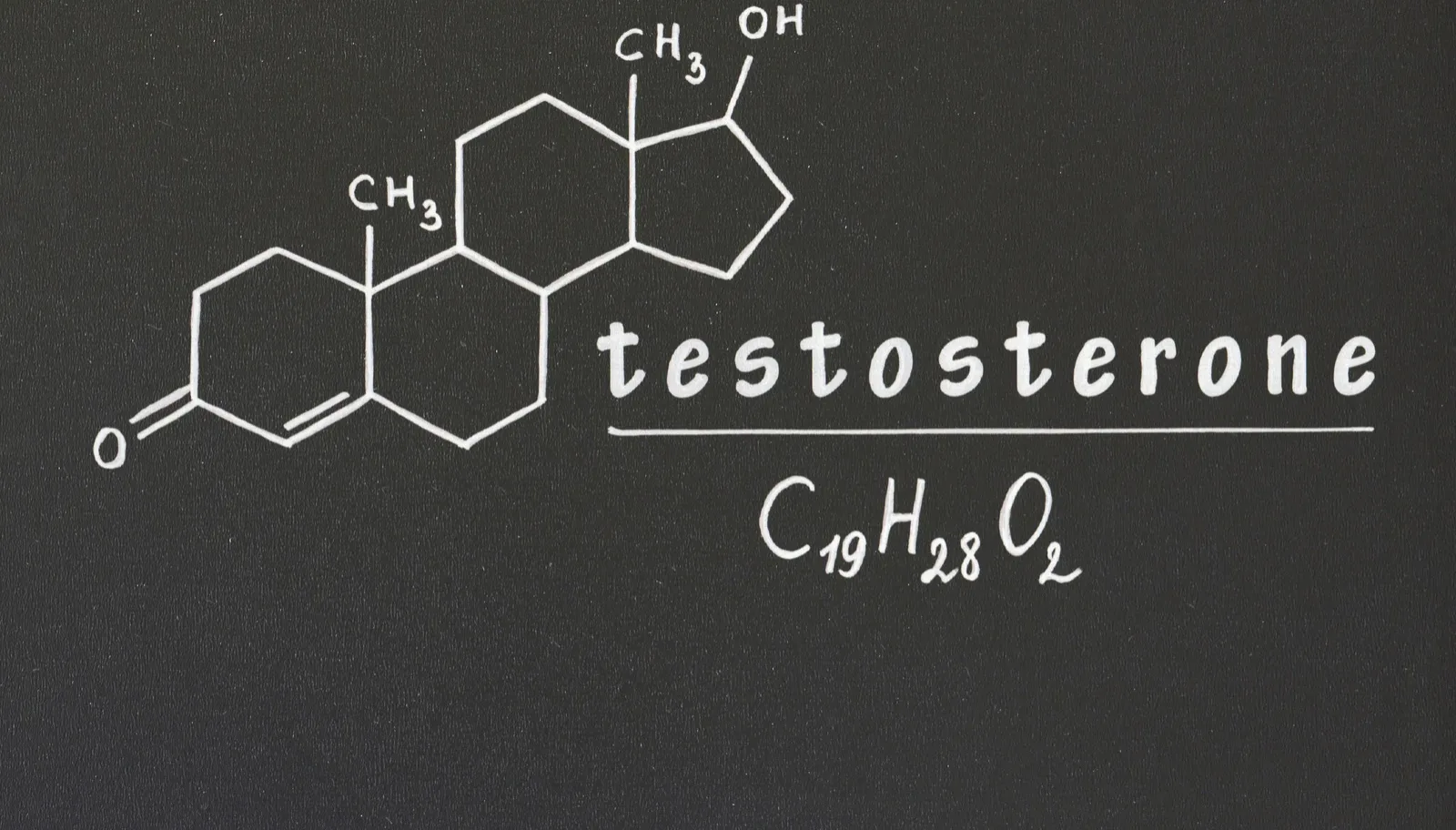
Testosterone plays a key role in men’s energy, strength, mood and recovery, yet its effects can be subtle and gradual. If you feel less like yourself, it does not always mean something is seriously wrong, but it is worth paying attention. This guide explains what testosterone is, how it tends to change with age, and sensible next steps if you are concerned.
When men start to wonder about testosterone
At Costa Health in Riviera and Marbella we often speak with men who say things like:
- “I just do not feel quite like myself.”
- “My energy is lower than it used to be.”
- “I am training but not seeing the same results.”
- “My recovery feels slower.”
- “I am sleeping, but I still feel tired.”
These experiences are very common. Sometimes testosterone is part of the picture, and sometimes other factors such as stress, sleep, workload, or injury are more important. Understanding the difference is the useful part.
What testosterone actually does
Testosterone is the primary male sex hormone, but it influences far more than libido or sexual function. It helps support a wide range of physical and mental processes, including:
- Muscle strength and maintenance
- Bone density
- Energy and stamina
- Mood and mental focus
- Recovery from exercise
- Body fat regulation
- Sex drive and sexual function
- Confidence and motivation
Your body produces testosterone throughout life. Levels rise during puberty, are usually highest in early adulthood, and then tend to change gradually over time.
How testosterone changes with age
For most men, testosterone levels are highest in their late teens and twenties. From around the age of 30 onwards, levels often begin to decline slowly. This age-related fall is usually gradual, and many men feel well despite a modest decrease.
Others begin to notice changes that affect everyday life, such as:
- Lower or more variable energy
- Reduced drive or motivation
- Difficulty building or maintaining muscle despite training
- Increased abdominal or overall body fat
- Slower recovery after exercise or physical work
- Poorer sleep quality
- Reduced libido or changes in sexual function
- Changes in mood or irritability
- Brain fog or reduced concentration
These symptoms can have many possible causes. Stress, long working hours, disrupted sleep, overtraining, nutritional gaps, pain, injury and other medical conditions can all produce similar patterns.
Why testosterone can feel confusing
Many men feel unsure about when to speak to someone or what to ask. Common concerns include:
- Feeling they should simply “accept getting older”
- Hearing conflicting advice online about supplements, training and hormone therapy
- Not knowing whether symptoms are hormone related or lifestyle related
- Putting things off because they feel “not bad enough” to seek help
Low or suboptimal testosterone is not always obvious. The changes are often gradual:
- Training feels slightly harder
- Recovery takes a bit longer
- There is a little less drive to start or finish things
- Body composition shifts even though your routine has not changed much
Over time, these small shifts can become your “new normal” without you fully noticing.
Quick Tip: If you are unsure whether things have changed, keep a simple 2 to 3 week note of your sleep, energy, training, appetite and mood. Bringing this to an appointment can give your clinician a clearer picture of what is happening.
A sensible first step: look at the full picture
The most useful starting point is not to guess based on one symptom or one number. It is to look at your overall health, routine and goals. In practice, this usually means considering:
- Symptoms: What has changed, how long it has been going on, and how it affects daily life
- Sleep quality: Duration, regularity, and whether you feel refreshed on waking
- Stress levels: Workload, family pressures, and how well you are coping
- Training load: Frequency, intensity and recovery days, especially for strength or endurance work
- Nutrition: Overall intake, protein, regular meals, hydration and alcohol use
- Body composition: Changes in muscle and fat that are not explained by training or diet
- Lifestyle: Smoking, daily activity levels and long periods of sitting
- Medical history: Other conditions or medicines that could influence hormones or energy
- Blood testing (where appropriate): Testosterone is often more meaningful when considered alongside other markers, such as full blood count, thyroid function or metabolic health, as guided by your GP or specialist
A single testosterone result on its own rarely tells the whole story. Levels can vary with the time of day, recent illness, poor sleep and other factors. Interpreting results alongside your symptoms and overall health is usually more reliable.
Quick Tip: If you arrange blood tests through your GP or a specialist clinic, ask for the results in writing. Bringing copies to your appointments we can tailor advice on training, recovery and lifestyle around any findings.
What might help if you are not feeling yourself
Support for men with possible testosterone-related symptoms is rarely about a single intervention. Often, several areas benefit from small, consistent changes. Depending on your assessment, common next steps may include:
1. Improving sleep and recovery
Short or poor-quality sleep can affect energy, mood, training results and hormone balance. Helpful changes can include a more regular sleep routine, a wind-down period before bed, reducing late-night screens where possible, and adjusting training so that the hardest sessions are not late in the evening.
2. Reducing long-term stress where possible
Ongoing stress at work or home can leave the body in a constant “on” state. This can affect recovery, muscle building, appetite and sleep. Simple strategies such as scheduled breaks, gentle activity, breathing techniques, or speaking with a mental health professional can make a noticeable difference for some men.
3. Reviewing nutrition
Under-eating, irregular meals or low protein intake can all contribute to fatigue, muscle loss and poor recovery. In some cases, alcohol intake or highly processed foods are a bigger factor than hormone levels. A structured, balanced approach to eating can support both general health and hormone function.
4. Adjusting strength and endurance training
Training plans that worked well in your twenties may be less suitable later on, especially alongside work and family pressures. At Costa Health, we often see men doing either too little strength work or too much intense training without enough recovery. A more balanced plan, with strength, mobility and rest days, can help your body respond better.
5. When to consider medical review
If symptoms are persistent, worsening, or affecting quality of life despite sensible lifestyle changes, it may be appropriate to speak with your GP or a hormone specialist. They can organise appropriate blood tests and, if needed, discuss treatment options. Any medical treatment for low testosterone should be carefully weighed against potential risks and benefits, and monitored over time.
The key message for men’s health
Testosterone is important, but the context around it is just as important. Feeling more tired, noticing changes in strength, or realising your body is responding differently to training are all signals to pay attention to, not to ignore or panic about.
Being curious about your health and asking questions is a sign that you are looking after yourself, not a sign of weakness. Open, practical conversations can help clarify whether your symptoms are likely to be related to hormones, lifestyle, other medical issues, or a mix of several factors.
If you have been feeling different, noticing changes in energy, recovery or performance, and you are not sure why, it may be worth starting a conversation with a qualified health professional. Understanding what is happening in your body is often the first step towards feeling more like yourself again.
Frequently Asked Questions
Does a low testosterone level always need treatment?
No. A blood test that is slightly lower than average does not automatically mean you need treatment. Some men feel well with levels that are lower on the reference range, while others have significant symptoms even with results that appear “normal”. Decisions are usually based on a combination of your symptoms, repeat blood tests, medical history and a careful discussion with your GP or specialist.
Can exercise increase my testosterone level?
Regular exercise, particularly strength training, can support healthier hormone balance over time, but it is not a guaranteed way to raise testosterone in every man. The main benefits are improved muscle mass, bone strength, cardiovascular health and mood. These improvements can help you feel and function better, even if your hormone levels only change modestly.
Should I buy testosterone supplements I see online?
It is sensible to be cautious. Many over-the-counter “testosterone boosters” have limited evidence behind them, may not contain what they claim, and can carry risks or interact with other medicines. It is usually better to focus on proven foundations such as sleep, nutrition, exercise and stress management, and to discuss any supplements or hormone treatments with a qualified health professional before starting them.
Can low testosterone cause joint or muscle pain?
Low testosterone may be linked with reduced muscle mass and lower bone density over time, which can contribute to aches, weakness or a greater risk of injury in some men. However, joint and muscle pain are very common and often relate more to posture, training load, injury, arthritis or other conditions. A physiotherapist or chiropractor can help assess whether your pain is likely to be mechanical, training related, or if it needs further medical investigation.
When should I see my GP about possible low testosterone?
Speak to your GP if you have ongoing fatigue, low mood, reduced libido, erectile difficulties, or changes in muscle and body fat that persist for several months, especially if they are affecting daily life or relationships. Also seek medical advice promptly if you have any unexplained weight loss, night sweats, significant testicular changes, or other symptoms that concern you. Your GP can assess for a range of possible causes and arrange appropriate tests.