Busting Menopause Symptoms: Three Surprising Signs Beyond Hot Flushes

In This Article
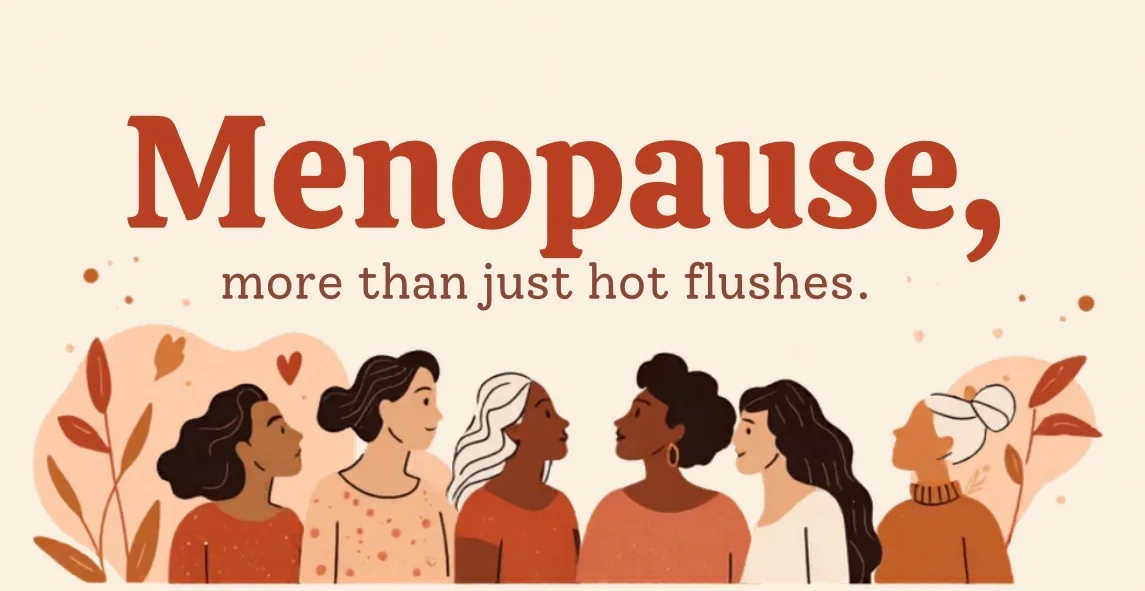
Menopause is often associated with hot flushes and mood changes, but hormonal shifts can affect many other parts of the body too. Bladder problems, vaginal discomfort and unexpected skin changes are all common menopause symptoms, even if they do not seem obviously connected. Understanding this link can help you seek the right support and feel more in control of what is happening.
How Menopause Affects Your Whole Body
During perimenopause and menopause, Estrogen levels gradually decline. Estrogen is involved in far more than periods and fertility. It influences the urinary tract, vaginal tissues, skin, joints, and even mood and sleep.
As hormones shift, tissues can become thinner, drier and more sensitive. Natural bacterial balance may change, inflammation can increase and the way your body responds to everyday stresses can feel very different from how it did in your thirties.
This means symptoms that appear in your forties, fifties and beyond, such as bladder irritation, discomfort during sex or new skin problems, may in fact be related to menopause, even if they seem unrelated at first.
1. Recurrent UTIs or Cystitis During Menopause
If you have noticed repeated urinary tract infections, ongoing cystitis symptoms or a sudden increase in bladder irritation, menopause may be a contributing factor.As Estrogen levels fall, the tissues lining the bladder and urethra can become thinner, drier and more fragile. The healthy bacteria that help protect the vaginal and urinary tract environment may also decrease. Together, these changes can leave the urinary tract more vulnerable to irritation and infection.
Common urinary symptoms in menopause
- Burning or stinging when passing urine
- Feeling the need to go more often
- Urgency or difficulty holding urine
- Recurrent cystitis or frequent UTIs
- A sensation of bladder pressure or discomfort
These symptoms can feel confusing and frustrating, especially if they keep returning despite standard treatment such as repeated courses of antibiotics.
Recognising the hormonal connection can help you and your healthcare professional consider other options, for example local vaginal Estrogen where appropriate, changes in intimate care products and bladder-friendly lifestyle adjustments.
Quick Tip: If you are prone to cystitis, avoid perfumed soaps and intimate washes, stay well hydrated and try to pass urine after intercourse to help reduce irritation.
Seek urgent medical help if: you have urinary symptoms with fever, shivering, pain in your side or back, blood in your urine, confusion, or you feel very unwell. These can be signs of a more serious infection that needs prompt medical assessment.
2. Vaginal Dryness, Sensitivity and Painful Intercourse
Vaginal dryness is one of the most common menopause symptoms, yet many women feel embarrassed to talk about it. This can leave problems unaddressed for years.
Estrogen helps keep vaginal tissues healthy, elastic and well lubricated. As hormone levels drop, these tissues can become thinner, drier and more sensitive, a group of symptoms sometimes referred to as genitourinary syndrome of menopause.
Signs of vaginal dryness and discomfort
- Vaginal dryness
- Burning, itching or irritation
- Increased sensitivity or soreness
- Pain or discomfort during intercourse
- Feeling sore or tender afterwards
- Reduced confidence or changes in intimacy
These symptoms can affect relationships, self esteem and overall quality of life. They are extremely common and nothing to be embarrassed about.
They are also not something you simply have to put up with. There are several options that can help, including vaginal moisturisers, lubricants used during sex, pelvic floor physiotherapy and, where suitable, hormone based treatments prescribed by a GP or menopause specialist.
The key step is recognising that this is a real physical effect of menopause, not a personal failing or something to ignore, and seeking help so you can feel more comfortable again.
Quick Tip: Choose unperfumed, water or silicone based lubricants and use them generously. Oil based products can damage condoms and may irritate sensitive tissues.
3. Skin Changes, Eczema, Acne and Rosacea Flare Ups
Your skin is strongly influenced by hormones. During menopause, reduced estrogen can mean less collagen, less natural moisture and a more reactive skin barrier. This can be surprising, especially if you have always had fairly trouble-free skin.
Typical menopause related skin changes
- Dryness and increased sensitivity
- New or worsening eczema
- Adult acne breakouts
- Rosacea flare ups with redness and flushing
- Skin that stings or reacts to products that used to be fine
For some women it feels as if their skin has changed almost overnight. This is not simply a sign of ageing. Hormonal changes can alter the skin barrier and inflammatory response, making flare ups more likely.
A gentler skincare routine, avoiding overuse of strong active ingredients, supporting hydration and protecting the skin from the sun can all help. If symptoms are significant, particularly with rosacea or eczema, it is worth seeking advice from your GP or a dermatologist.
Menopause Is More Than Hot Flushes
Menopause affects the whole body, and the signs are not always obvious. Recurrent urinary symptoms, vaginal dryness, discomfort during sex or unexpected skin changes can all be linked to shifting hormone levels, even when they resemble separate problems.
If your body feels different, there is usually a reason. You deserve clear information and appropriate support, not dismissal or repeated short term fixes.
Menopause care is about more than managing hot flushes. It involves understanding the wider changes happening in your body, knowing that you are not alone and having a plan that fits your individual symptoms and health history.
If you recognise any of these symptoms and have been wondering what is going on, you are not imagining it. Speaking with a GP, menopause specialist or women’s health professional can help you work out what is linked to menopause and what can be done to help you feel more comfortable and confident again.
Frequently Asked Questions
Can menopause really cause bladder problems?
Yes. Falling estrogen affects the lining of the bladder and urethra, as well as the natural balance of protective bacteria. This can make irritation and infection more likely, so some women notice more cystitis, urgency or frequency around perimenopause and menopause. Other conditions can cause similar symptoms, so it is still important to speak to your GP for proper assessment.
Is vaginal dryness a normal part of menopause?
Vaginal dryness is very common in menopause because of lower estrogen levels, but common does not mean you should suffer in silence. Moisturisers, lubricants and, where suitable, local oestrogen treatments can usually improve comfort a great deal. If you have new bleeding, discharge or persistent pain, you should always have this checked by your GP.
Why has my skin changed so much since my forties?
Hormonal changes in perimenopause and menopause can affect collagen, oil production and how well your skin holds moisture. Skin may become drier, more sensitive or more inflamed, and conditions such as eczema, acne or rosacea can appear or worsen. A gentler skincare routine and medical advice where needed can help calm flare ups and protect the skin barrier.
When should I worry about urinary symptoms during menopause?
You should see your GP if you have any new urinary symptoms that last more than a couple of days, keep coming back or are affecting your daily life. Seek urgent help if you feel very unwell, have a high temperature, pain in your side or back, blood in your urine or confusion, as these can be signs of a more serious infection.
Who can I talk to about these menopause symptoms?
Your GP is usually the best starting point. Some women also find it helpful to see a menopause specialist, women’s health physiotherapist or other clinician with experience in this area. Keeping a note of your symptoms, when they occur and what affects them can make your consultation more productive.