Low Testosterone Symptoms in Men: When To Consider Testosterone Replacement Therapy in Spain

In This Article
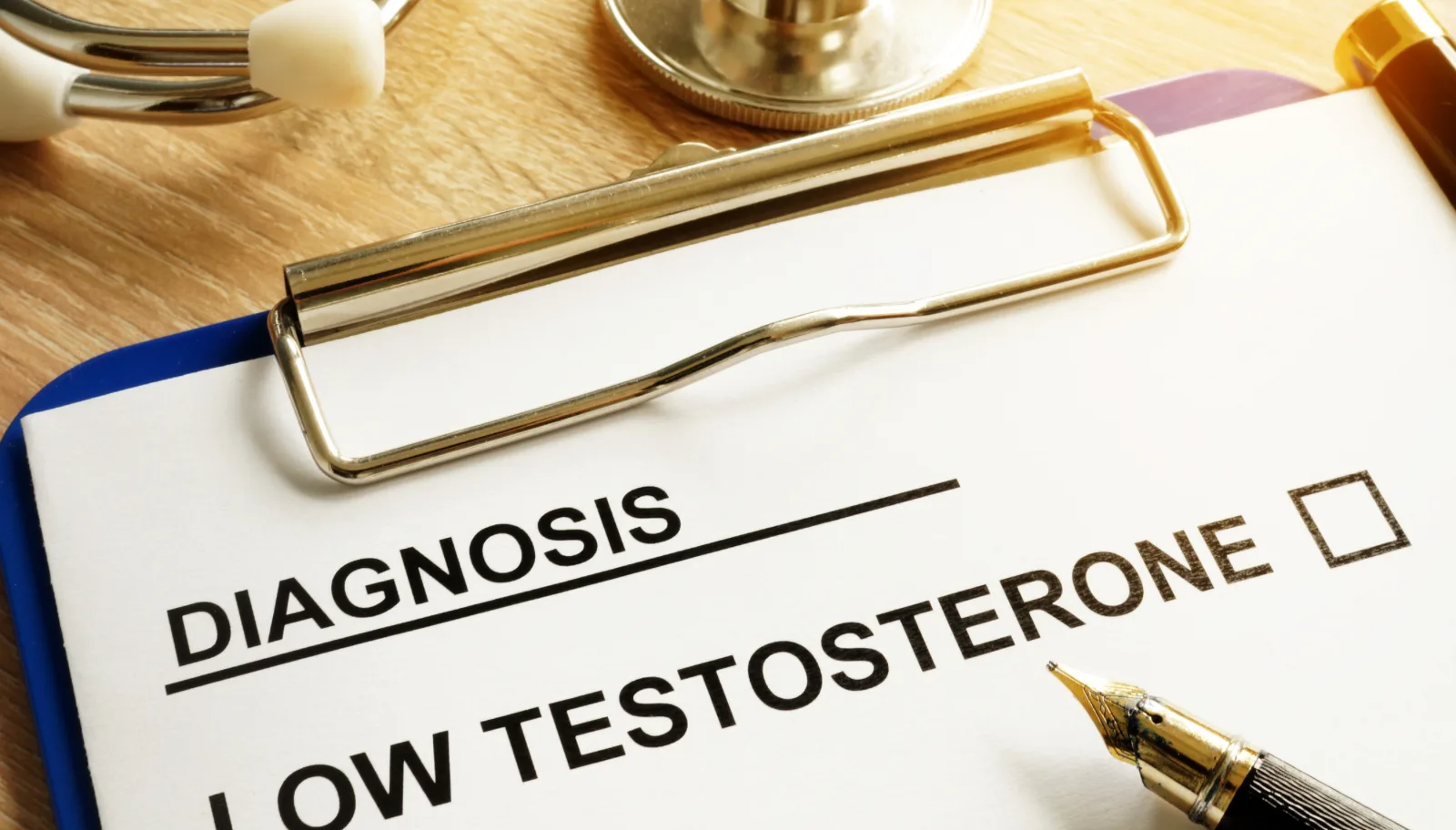
Low testosterone can cause persistent tiredness, reduced sex drive, low mood, and difficulty maintaining muscle and strength. It is not just a normal part of ageing and, in many men, can be identified and managed with proper medical assessment. In Spain, including the Costa del Sol, Testosterone Replacement Therapy (TRT) may be an option for men with confirmed testosterone deficiency once other causes have been carefully considered.
This guide explains common symptoms of low testosterone, how it is diagnosed, who may benefit from TRT, and how men living in Marbella, Mijas, and across Spain can access qualified medical support online.
What is testosterone and why does it matter?
Testosterone is the primary male sex hormone. Although it is often associated with sex drive and masculinity, it affects many other aspects of physical and mental health.
Healthy testosterone levels help support:
- Energy and day to day vitality
- Sex drive and sexual function
- Muscle growth and maintenance
- Fat distribution and body composition
- Bone density and bone strength
- Cognitive performance, focus, and memory
- Mood, confidence, and motivation
- Recovery from exercise and training
Testosterone levels naturally decline with age. However, when levels drop more than expected, or more quickly than expected, men may notice a combination of physical, mental, and sexual symptoms that start to affect their quality of life.
10 common symptoms of low testosterone
Low testosterone often develops gradually, so the early changes can be easy to dismiss as stress, ageing, or a busy lifestyle. Many men only realise how much has changed when several symptoms begin to appear together.
1. Reduced sex drive
A noticeable decrease in libido is one of the most common symptoms. Men may find they think less about sex, feel less interested in sexual activity, or feel their sexual desire is out of step with their partner.
2. Erectile difficulties
Erectile dysfunction can have many causes, including cardiovascular disease, diabetes, stress, and relationship factors. Low testosterone can be one contributing factor, leading to difficulty achieving or maintaining erections or a reduction in morning erections.
3. Persistent fatigue
Ongoing tiredness, even after what seems like enough sleep, is frequently reported. Men often describe feeling “drained” during the day or needing more rest than before to manage the same workload or training routine.
4. Brain fog
Low testosterone can be associated with difficulty concentrating, forgetfulness, reduced mental sharpness, and a general feeling of mental sluggishness, especially later in the day.
5. Low motivation
Tasks that once felt straightforward may become harder to start or finish. Men may notice reduced drive at work, less enthusiasm for hobbies, or a tendency to procrastinate more than before.
6. Loss of muscle mass and strength
Testosterone plays a key role in building and maintaining muscle. When levels are low, it can become harder to gain muscle, and existing muscle bulk and strength may gradually decline, even with regular exercise.
7. Increased body fat
Many men with low testosterone notice weight gain, particularly around the abdomen. This can happen despite no major change in diet or activity, and can be frustrating for those who are otherwise health conscious.
8. Poor exercise recovery
Longer recovery times after training, more pronounced muscle soreness, and a feeling of “hitting a wall” with performance can all be linked to hormonal changes, including testosterone deficiency.
9. Mood changes
Irritability, lower mood, reduced resilience to stress, and loss of confidence are sometimes associated with low testosterone. These symptoms can overlap with anxiety and depression, which is why a thorough medical assessment is important.
10. Reduced overall wellbeing
Many men simply describe feeling “not themselves”. They may struggle to pinpoint one specific issue, but notice a gradual decline in zest for life, social engagement, or enjoyment of usual activities.
Quick Tip: If you recognise several of these symptoms persisting for more than a few months, keep a simple symptom diary. This can help your doctor see patterns and decide what testing is most appropriate.
What causes low testosterone?
Low testosterone, often referred to medically as hypogonadism, can have several underlying causes. Sometimes there is a clear medical reason, while in other cases it relates to a combination of age, lifestyle, and health conditions.
Common contributing factors include:
- Age related hormonal decline
- Obesity and excess body fat
- Type 2 diabetes and insulin resistance
- Chronic stress, including work or financial pressures
- Poor sleep quality or insufficient sleep
- Sleep apnoea, where breathing repeatedly stops during sleep
- Certain prescribed medications
- Pituitary gland disorders that affect hormone control
- Testicular injury, infection, or disease
- Excessive alcohol consumption
Some of these factors are potentially reversible through lifestyle change, weight management, or treating an underlying condition, while others may require longer term medical treatment.
Seek urgent medical help if: You develop sudden chest pain, shortness of breath, severe headaches, weakness on one side of the body, sudden changes in vision, or intense testicular pain or swelling. These symptoms are not typical of low testosterone and may indicate a more serious problem that needs immediate emergency assessment.
How is low testosterone diagnosed?
Diagnosing testosterone deficiency involves more than a single blood test. A qualified doctor will usually consider your symptoms, medical history, and at least one confirmed low testosterone reading, sometimes more than one, before suggesting treatment.
Medical history and symptom review
Your doctor will ask about your symptoms, general health, sleep, stress levels, medication use, alcohol intake, and any relevant past medical conditions or injuries.
Blood testing
Testosterone is usually highest in the morning, so blood tests are often taken early in the day. In many cases, more than one test is needed to confirm a consistently low level rather than a one off fluctuation.
Additional hormone assessment
Depending on your age, symptoms, and test results, other hormones may also be checked, such as luteinising hormone (LH), follicle-stimulating hormone (FSH), and prolactin. This helps identify whether the problem lies mainly in the testes or in the pituitary gland in the brain, which controls hormone production.
Clinical symptoms and overall picture
A diagnosis is usually based on a combination of typical symptoms and laboratory findings, not blood results alone. This more complete approach helps ensure any treatment is suitable and medically justified.
Who may benefit from Testosterone Replacement Therapy?
Testosterone Replacement Therapy is not appropriate for every man with tiredness or low mood. It is usually considered for men who meet all of the following criteria:
- Symptoms consistent with testosterone deficiency
- Confirmed low testosterone levels on blood testing
- A thorough medical evaluation to look for underlying causes
- No medical reasons that would make TRT unsuitable or unsafe
Some men with mild symptoms and borderline results may be advised to focus first on lifestyle changes, weight management, sleep, and treating any other health conditions. Others with more significant deficiency may be offered TRT as one part of a wider treatment plan.
Quick Tip: Before your consultation, make a list of all medications and supplements you are taking, including over the counter products. Some can affect hormone levels or interact with treatment, so it is helpful for your doctor to have a full picture.
Potential benefits of Testosterone Replacement Therapy
For suitable candidates, TRT aims to restore testosterone to a healthier range, not to “boost” levels beyond normal. When used appropriately and monitored carefully, men may notice improvements in:
Energy and fatigue
Many patients report improved day time energy and less persistent tiredness once their hormone levels stabilise.
Libido and sexual function
Sexual desire often improves when testosterone deficiency is corrected. Some men also notice better quality erections, although other treatments may still be needed if erectile dysfunction has several causes.
Muscle mass and strength
When combined with regular resistance exercise and appropriate nutrition, TRT can support the maintenance and development of lean muscle in men with confirmed deficiency.
Body composition
Some men experience gradual reductions in body fat, particularly around the abdomen, and an overall improvement in physique. This usually goes hand in hand with changes in diet and activity.
Mental clarity and mood
Improved concentration, sharper thinking, better stress tolerance, and a more stable mood are commonly reported benefits, although responses vary between individuals.
Sense of wellbeing
Many men describe feeling more like themselves again, with better motivation, confidence, and enjoyment of day to day life.
Responses to TRT are individual, and improvements are usually gradual over weeks to months. Regular follow up with your prescribing doctor is important to monitor progress and adjust treatment if needed.
Is Testosterone Replacement Therapy safe?
When prescribed for the right reasons and supervised by an experienced clinician, TRT can be a safe and effective treatment option for men with confirmed testosterone deficiency. However, as with any medical treatment, there are potential risks and side effects that need to be discussed and monitored.
Ongoing monitoring typically includes:
- Regular blood tests to check testosterone levels
- Monitoring of red blood cell counts and other relevant markers
- Review of symptoms, side effects, and overall wellbeing
- Routine medical follow up to ensure the treatment plan remains appropriate
TRT is not suitable for everyone. For example, men with certain types of prostate or breast cancer, uncontrolled sleep apnoea, or significantly raised red blood cell counts may be advised against treatment. These decisions are made on an individual basis after a detailed medical review.
Accessing Testosterone Replacement Therapy online in Spain
For English-speaking residents and expats in Spain, arranging appointments in a second language or travelling long distances to see a specialist can be challenging. Online medical consultations provide a practical alternative in many cases.
Through secure online appointments, patients can:
- Speak with qualified doctors from home, work, or while travelling within Spain
- Discuss sensitive symptoms confidentially in English
- Arrange appropriate blood testing through local laboratories or clinics
- Receive personalised treatment recommendations based on test results
- Access ongoing monitoring and follow up without repeated clinic visits
This approach is particularly convenient for busy professionals, frequent travellers, and those living in smaller towns or rural areas away from major hospitals or specialist centres.
TRT for men in Marbella, Mijas and across the Costa del Sol
Men living in Marbella, Mijas, Fuengirola, Málaga, and other parts of the Costa del Sol are increasingly seeking clear information and accessible hormone health services. Rather than waiting weeks for face to face appointments or travelling to larger cities, online consultations allow men to begin the assessment process more quickly and with greater convenience.
If you are experiencing low energy, reduced libido, brain fog, weight gain, or other symptoms that might suggest low testosterone, an initial medical consultation can help clarify whether hormone testing is appropriate and what your next steps should be.
When should you speak to a doctor about low testosterone?
You should consider seeking medical advice if you notice several of the following issues persisting for more than a few months:
- Persistent fatigue that does not improve with rest
- Low libido or changes in sexual desire
- Erectile difficulties
- Loss of muscle mass or strength
- Unexplained weight gain, particularly around the abdomen
- Brain fog, poor concentration, or reduced mental sharpness
- Reduced motivation and loss of drive
- Mood changes, irritability, or lower mood
These symptoms can have several possible causes, including thyroid problems, sleep disorders, depression, or side effects of medication. A doctor can help work out whether low testosterone, another medical condition, or a combination of factors is contributing to how you feel.
Next steps: arranging an online consultation
If you are concerned about symptoms that might be related to low testosterone, you do not have to work it out on your own. A structured medical assessment, starting with a detailed conversation about your health, is the safest way to decide whether hormone testing and possible TRT should be considered.
Through our online platform, men across Marbella, Mijas, the wider Costa del Sol, and the rest of Spain can connect with qualified doctors who can:
- Review your symptoms and medical history in detail
- Arrange appropriate blood tests where indicated
- Explain your results clearly and answer your questions
- Discuss suitable treatment options, including lifestyle changes and, where appropriate, TRT
- Provide ongoing monitoring and follow up if treatment is started
Taking the first step towards better health begins with understanding what may be causing your symptoms and getting evidence based advice. If you recognise yourself in several of the symptoms described above, consider booking an online consultation for tailored medical guidance from the comfort of your home.
Frequently Asked Questions
Can low testosterone be treated without TRT?
In some men, lifestyle changes such as weight loss, improving sleep, reducing alcohol, managing stress, and treating conditions like sleep apnoea or diabetes can improve testosterone levels without the need for Testosterone Replacement Therapy. Your doctor will usually look at these areas first, especially if your levels are only slightly reduced, before deciding whether TRT is appropriate.
How long does it take to notice benefits from TRT?
Many men begin to notice some improvements, such as better energy or libido, within a few weeks, but changes in muscle mass, body composition, and mood often take several months. Treatment is usually reviewed regularly so that your doctor can track progress and adjust the dose or approach if needed.
Is TRT the same as taking anabolic steroids?
No. Medical Testosterone Replacement Therapy aims to restore testosterone to a healthy physiological range in men with confirmed deficiency. Anabolic steroid misuse typically involves much higher, non-physiological doses for performance or cosmetic reasons and carries significant health risks. Prescribed TRT is carefully monitored to keep levels within a safe range.
Can I have TRT if I have prostate problems?
This depends on the type of prostate problem and your individual health. Men with certain prostate cancers are usually advised not to have TRT. If you have a history of prostate issues or are worried about urinary symptoms, your doctor will arrange appropriate checks and may refer you to a specialist before considering treatment.
Do I need to stop TRT once I start?
TRT is often a longer term treatment, because it is addressing an ongoing hormone deficiency rather than a short term illness. Some men may continue for many years, while others may stop if their circumstances change or if the risks begin to outweigh the benefits. Any decision to start, adjust, or stop TRT should always be made in consultation with your prescribing doctor.