
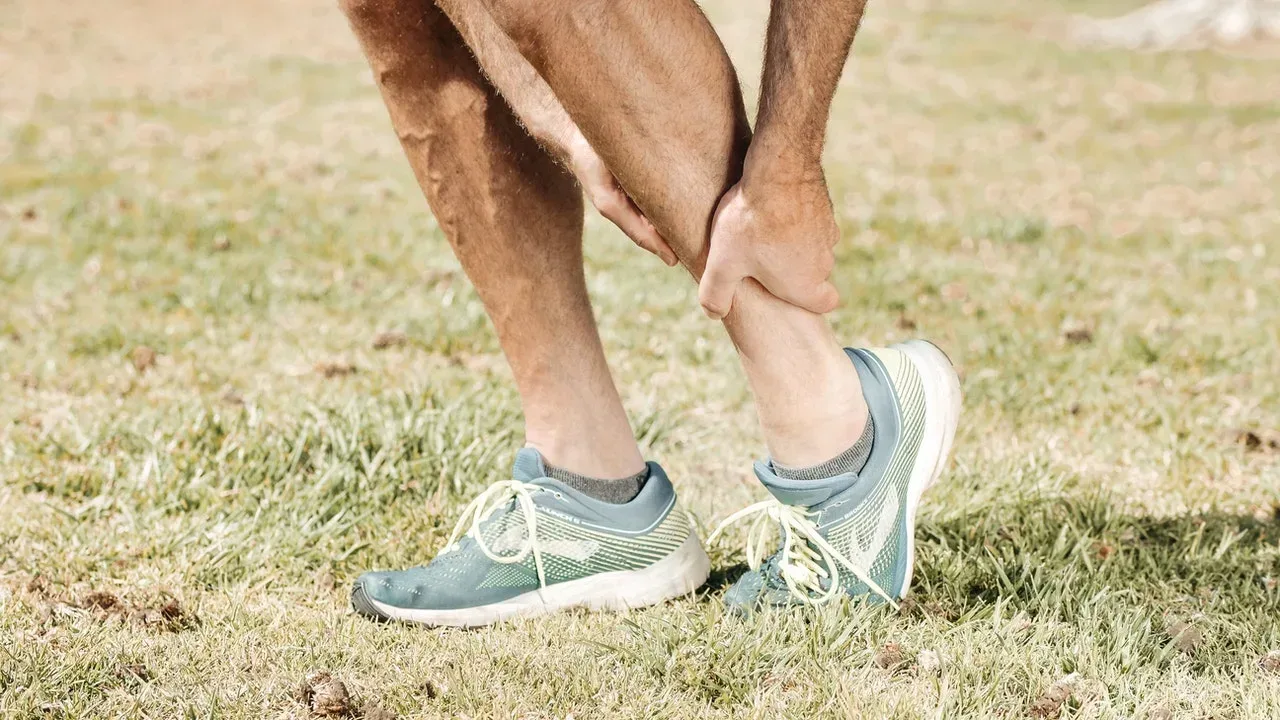

What’s behind your foot pain?
Foot pain affects roughly one in four adults at any given time, yet most people tolerate it far longer than they should before seeking treatment. The foot contains 26 bones, 33 joints, and over 100 muscles, tendons, and ligaments. When any part of that structure is dysfunctional, the effects ripple upward through the ankle, knee, hip, and lower back.
Plantar fasciitis is the most common cause of heel pain. It typically presents as sharp pain under the heel with the first steps in the morning, easing somewhat with movement before worsening again after prolonged standing. Despite the name suggesting inflammation, research published in the British Journal of Sports Medicine has shown that chronic plantar fasciitis is actually a degenerative condition, a failed healing response in the fascia rather than active inflammation. This distinction matters because it changes the treatment approach entirely.
Metatarsalgia, Morton’s neuroma, stress fractures, posterior tibial tendon dysfunction, and hallux rigidus are among the other common causes. Each has a distinct presentation and requires targeted treatment. Getting the right diagnosis early avoids months of misguided self-treatment.
Why is plantar fasciitis so stubborn?
Plantar fasciitis earns its reputation for persistence because most patients treat it incorrectly. Ice, stretching, and anti-inflammatory medication address symptoms but miss the underlying problem. The plantar fascia isn’t simply inflamed. It has undergone degenerative changes at the cellular level, similar to tendinopathy elsewhere in the body.
Progressive loading is the treatment that works. A 2014 study by Rathleff et al. in the Scandinavian Journal of Medicine and Science in Sports demonstrated that high-load strength training of the plantar fascia, specifically heel raises performed slowly off a step with a rolled towel under the toes, produced superior outcomes to stretching alone. At three months, the loading group reported significantly less pain and better function.
Common misconception: orthotics cure plantar fasciitis. Off-the-shelf or custom insoles can reduce pain during the rehabilitation period by redistributing load, and they’re useful as part of a treatment plan. But they don’t address the tissue’s capacity to handle load. Without progressive strengthening, the pain returns the moment the insoles come out. Sarah Monaghan, chiropractor at Costa Health with over 20 years of clinical experience, sees this pattern repeatedly in patients who’ve spent hundreds of euros on orthotics without ever being prescribed a loading programme.
How does lifestyle on the Costa del Sol affect foot health?
Living in southern Spain creates foot challenges that northern European feet aren’t accustomed to. The transition from supportive winter boots and trainers to flat sandals, flip-flops, and barefoot walking on hard tile floors puts sudden demand on structures that have been cushioned and supported for months.
Flip-flops are a particular problem. The toes grip to keep the shoe on, altering normal gait mechanics and overloading the plantar fascia. Walking on marble and tile floors barefoot, common in Spanish homes and poolside areas, provides zero shock absorption. The cumulative effect over a summer season can trigger or worsen foot conditions that were dormant during cooler months.
Beach walking presents a paradox. Soft sand is excellent for foot strengthening, working the intrinsic muscles that rarely activate on flat surfaces. But walking long distances on uneven sand with unconditioned feet causes strain. The key is gradual exposure, building foot strength progressively rather than going from zero to a five-kilometre beach walk.
Heat itself affects the feet. Increased swelling in warm weather makes shoes tighter and alters biomechanics. Patients with Morton’s neuroma notice their symptoms worsen in summer as the metatarsal heads compress the inflamed nerve more tightly in swollen feet.
What does a biomechanical foot assessment involve?
Assessment at Costa Health starts with observation of standing posture, arch height, and foot alignment. Gait analysis, watching the patient walk and, where relevant, run, reveals dynamic problems that static examination misses. Excessive pronation, supination, and compensatory movement patterns all become visible during gait.
Chiropractic assessment includes joint-by-joint testing through the foot and ankle. Restricted midfoot joints, particularly the cuneiforms and cuboid, are a frequently overlooked cause of persistent foot pain. Manual adjustment of these small joints often produces immediate improvement in symptoms that have resisted other treatment. Osteopathy examines the broader kinetic chain, assessing how hip and pelvic alignment influence foot loading patterns.
Physiotherapy contributes targeted rehabilitation. Intrinsic foot muscle strengthening, arch retraining exercises, and calf flexibility work form the core of most foot pain programmes. Flora Muijzer, physiotherapist at Costa Health (BSc Physiotherapy, Colfisio 13635), uses a progressive loading approach for plantar fasciitis and Achilles-related foot pain that follows current best evidence.
Sports massage addresses the myofascial component. Tight calf muscles, particularly the soleus, increase load on the plantar fascia by limiting ankle dorsiflexion during walking and running. Releasing the calf complex is often the single most effective short-term intervention for heel pain.
When should foot pain be investigated urgently?
Stress fractures present as localised pain that worsens with weight-bearing activity and improves with rest. The second and third metatarsals are the most commonly affected bones. Pain that intensifies over days rather than improving warrants assessment, particularly in runners, walkers, and women with low bone density. Plain X-rays often miss stress fractures in the first two weeks; MRI is the gold standard for early detection.
Sudden onset of a hot, red, swollen joint, especially the big toe, suggests gout rather than a mechanical injury. Gout is a medical condition requiring blood tests and medication management, not manual therapy. Similarly, foot pain accompanied by tingling, numbness, or colour changes in the toes may indicate vascular or neurological involvement requiring medical referral.
Any foot wound in a patient with diabetes needs prompt medical attention regardless of size. Reduced sensation in diabetic feet means injuries go unnoticed, and impaired healing can turn a small problem into a serious one quickly.
How does Costa Health treat foot pain differently?
The multidisciplinary model means foot pain isn’t treated in isolation. A patient presenting with heel pain will have their calf, Achilles, ankle mobility, knee tracking, hip strength, and lumbar spine assessed in the same session. Weakness in the hip abductors, for instance, allows excessive knee valgus during walking, which increases pronation and overloads the plantar fascia. Treating the fascia without addressing the hip is treating a symptom, not a cause.
Treatment plans are specific to each patient’s footwear habits, activity level, and goals. A retiree who walks daily through Marbella old town has different needs from a padel player training four times a week. Costa Health builds rehabilitation around each patient’s actual life, not a generic exercise sheet. For patients whose foot pain relates to Achilles tendinopathy or overlaps with ankle pain, treatment addresses the full lower limb chain from the outset.