
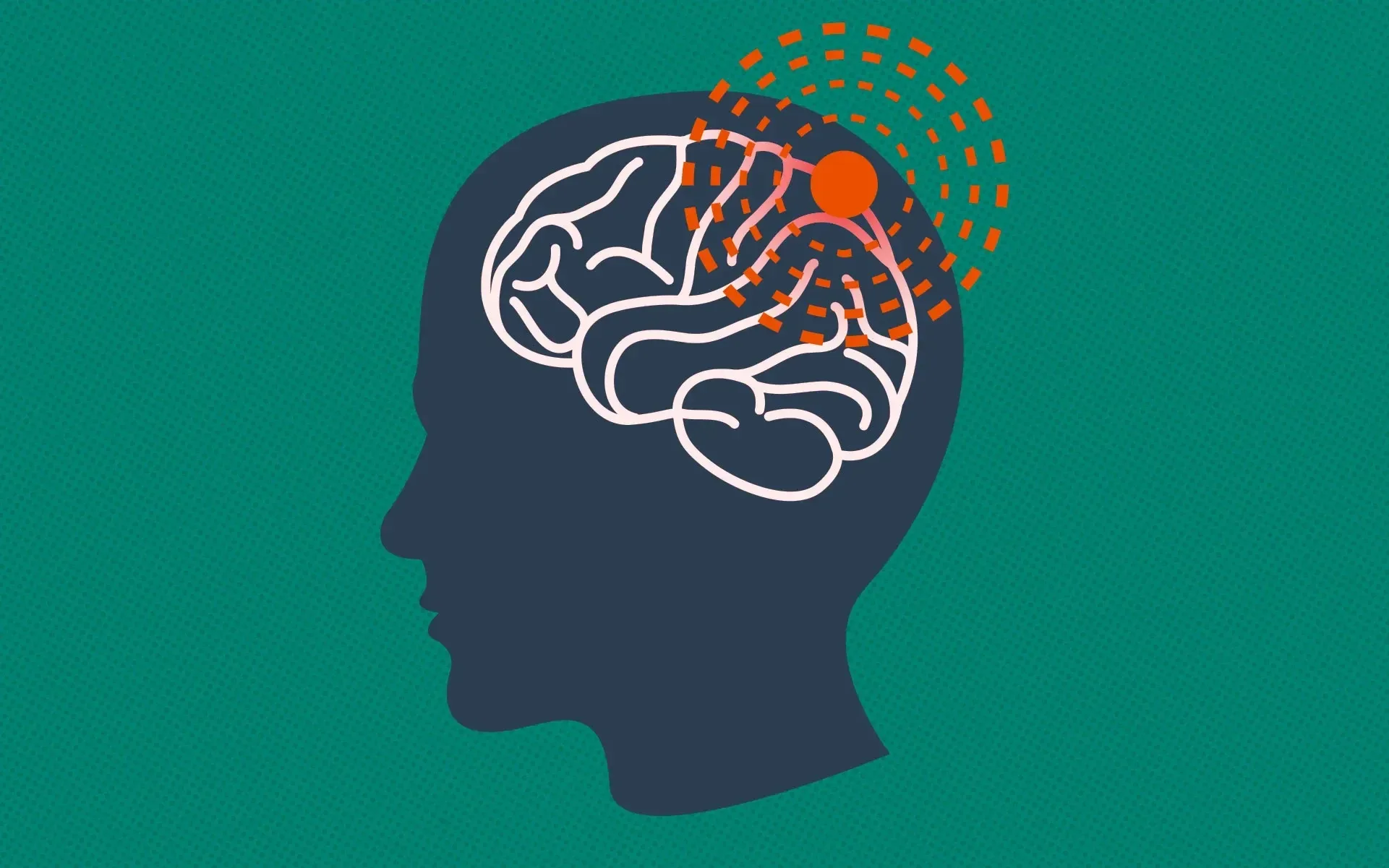
Migraines are a neurological condition characterised by intense, often one-sided headaches accompanied by nausea, light sensitivity, and sometimes visual disturbances. While there’s no outright cure, manual therapy targeting the cervical spine and upper back can significantly reduce migraine frequency and intensity.
That’s not the message most migraine sufferers expect. Many have been told it’s purely neurological, purely genetic, or something they simply have to manage with medication. The reality is more nuanced, and more hopeful.
What makes a migraine different from other headaches?
A migraine isn’t just a bad headache. The World Health Organisation ranks it as the sixth most disabling condition globally, and that ranking is based on the total burden across the population, not the severity of individual attacks.
The pain is typically pulsating or throbbing, moderate to severe, and worsened by routine physical activity. Nausea affects around 80% of sufferers. Light sensitivity and sound sensitivity are almost universal during an attack. Some people experience aura, a warning phase lasting 20 to 60 minutes that can involve visual disturbances (zigzag lines, blind spots), tingling in the face or hands, or difficulty speaking.
An attack can last anywhere from 4 to 72 hours. During that time, normal life stops. The postdrome phase that follows, sometimes called a “migraine hangover,” can leave people feeling washed out for another day or two.
Approximately 15% of the UK population experiences migraines (Steiner et al., Journal of Headache and Pain, 2018). Women are three times more likely to be affected than men, largely due to hormonal fluctuations. If you’re an expat on the Costa del Sol dealing with migraines, you’re far from alone.
What triggers a migraine attack?
Triggers vary enormously between individuals, which is part of what makes migraines so frustrating to manage. Common triggers include hormonal changes (particularly around menstruation), stress and the let-down period after stress, sleep disruption, dehydration, alcohol (especially red wine), strong smells, and bright or flickering lights.
Here’s a misconception worth correcting: trigger avoidance alone rarely controls migraines. A 2010 study in Cephalalgia (Martin & MacLeod) found that strict avoidance strategies can actually increase sensitivity to triggers over time. A more effective approach combines threshold management, keeping your overall trigger load low, with treatment that raises the threshold at which an attack fires.
The cervical spine plays a larger role than many people realise. The trigeminocervical nucleus, a relay station in the brainstem, receives input from both the trigeminal nerve (face and head sensation) and the upper three cervical nerve roots. Neck dysfunction can lower the migraine threshold, meaning attacks fire more easily. This is why people who sit at desks all day or have had whiplash injuries often find their migraines become more frequent.
Can manual therapy really help migraines?
Yes, and the evidence is growing. A randomised controlled trial published in the European Journal of Neurology (Chaibi et al., 2017) found that chiropractic spinal manipulation produced within-group reductions in migraine days, though between-group differences did not reach statistical significance. The improvements observed were clinically meaningful and persisted beyond the treatment period. NICE guidelines (CG150) recommend acupuncture as a prophylactic treatment for migraines when medications are unsuitable or ineffective.
The mechanism isn’t mysterious. Treating cervicogenic dysfunction reduces afferent input to the trigeminocervical nucleus, effectively raising the threshold for migraine activation. Manual therapy also reduces muscle tension in the cervical and suboccipital regions, improves blood flow, and modulates pain processing pathways.
Physiotherapy addresses the musculoskeletal contributors to migraines. Flora Muijzer at Costa Health assesses the cervical spine, thoracic posture, and deep neck flexor function. Targeted exercise programmes improve cervical stability and reduce the neck dysfunction that feeds into the migraine cycle. McKenzie MDT assessment can identify specific directional preferences that calm cervical irritability.
Chiropractic adjustments to the upper cervical spine have particular relevance for migraines. Restricted C1-C2 segments are common findings in migraine patients, and restoring mobility here can reduce both the frequency and severity of attacks.
Osteopathy brings a whole-body perspective. Thoracic spine restriction, rib cage tension, and cranial techniques may all contribute to reducing the overall load on the nervous system. For patients whose migraines have a strong stress or tension component, this broader approach is valuable.
Medical acupuncture (dry needling) has specific evidence for migraine prophylaxis. NICE recommends a course of up to 10 sessions for chronic migraine, and the effects can persist for months after treatment ends.
When is medication the right choice?
Manual therapy doesn’t replace medication entirely for everyone. Acute rescue medication (triptans, prescribed by a GP) remains important for managing individual attacks. For people experiencing more than four migraine days per month, preventive medication may be appropriate alongside manual treatment.
Costa Health takes a practical view: medication manages the crisis, manual therapy addresses the underlying contributors, and lifestyle modification supports long-term improvement. These approaches work together, not in competition.
What lifestyle changes actually matter?
Sleep regularity outranks sleep quantity for migraines. Going to bed and waking at consistent times, even on weekends, stabilises the hypothalamic circuits involved in migraine generation. Irregular sleep is one of the most potent triggers.
Regular aerobic exercise, 30 to 40 minutes three times per week, has been shown to reduce migraine frequency comparably to topiramate, a commonly prescribed preventive drug (Varkey et al., Cephalalgia, 2011). The exercise needs to be moderate, not intense. Overexertion can itself trigger attacks.
Hydration matters, particularly on the Costa del Sol where heat and sun exposure increase fluid losses. Keeping a headache diary for two to three months helps identify personal trigger patterns that generic advice misses.
When should you seek urgent medical attention?
Most migraines, however unpleasant, aren’t dangerous. But certain presentations require immediate medical assessment. A thunderclap headache, reaching maximum intensity within seconds, could indicate subarachnoid haemorrhage. Migraine with prolonged aura lasting more than 60 minutes, migraine with motor weakness, or a first-ever migraine with aura after age 40 all warrant medical review.
If your migraine pattern changes significantly, if attacks become more frequent, more severe, or different in character, see a doctor. New symptoms such as double vision, balance problems, or confusion during a migraine are red flags.
Costa Health’s team in Marbella and Riviera del Sol works with migraine patients across physiotherapy, chiropractic, osteopathy, and sports massage to reduce attack frequency and severity. Book an appointment to discuss your migraines and find out what’s contributing to them.