Hydration and Hormonal Health: Why It Matters More During Perimenopause and Menopause

In This Article
As women move through perimenopause and menopause, changes in energy, skin, sleep, and general wellbeing are common. Hormones rightly take centre stage in these conversations, but one fundamental factor is frequently overlooked: hydration. In this edition of Ask the Doctor, Dr Raquel Delgado explains why staying well hydrated matters more during this stage of life, and how small, consistent habits can make a real difference to how you feel.
Why Hydration Becomes More Important During Hormonal Changes
Hormonal fluctuations, particularly the decline in oestrogen, affect how the body regulates fluids. This can increase susceptibility to dehydration, even when your habits have not changed.
At the same time, the body’s thirst signals become less reliable. Many women do not feel thirsty until they are already mildly dehydrated, which can contribute to a range of symptoms that are often attributed solely to hormonal changes. Understanding this overlap matters, especially if you are trying to identify whether your symptoms are hormone-related or driven by other factors.
Common Symptoms That May Be Worsened by Dehydration
Several symptoms common during perimenopause and menopause can be exacerbated by insufficient fluid intake:
Fatigue and Low Energy
Even mild dehydration can reduce both physical and mental performance, leaving you feeling more tired than usual. If persistent tiredness is a concern, fluid intake is worth reviewing alongside other potential causes.
Headaches and Brain Fog
Hydration plays a key role in cognitive function. Insufficient fluid intake can contribute to difficulty concentrating and a higher frequency of headaches.
Dry Skin and Mucous Membranes
Oestrogen supports skin hydration and elasticity. As levels decline, dryness becomes more common and is made worse by inadequate fluid intake.
Joint Stiffness and Discomfort
Water supports joint lubrication. Dehydration can make stiffness and aches feel more pronounced, particularly for women who are already managing musculoskeletal changes during this transition.
Digestive Changes
Hydration is essential for healthy digestion and bowel regularity, both of which can be affected during hormonal transitions.
Need structured menopause support? Learn more about English-speaking menopause GP for symptom review, HRT questions and safe next steps with an experienced GP.
Hydration and Temperature Regulation
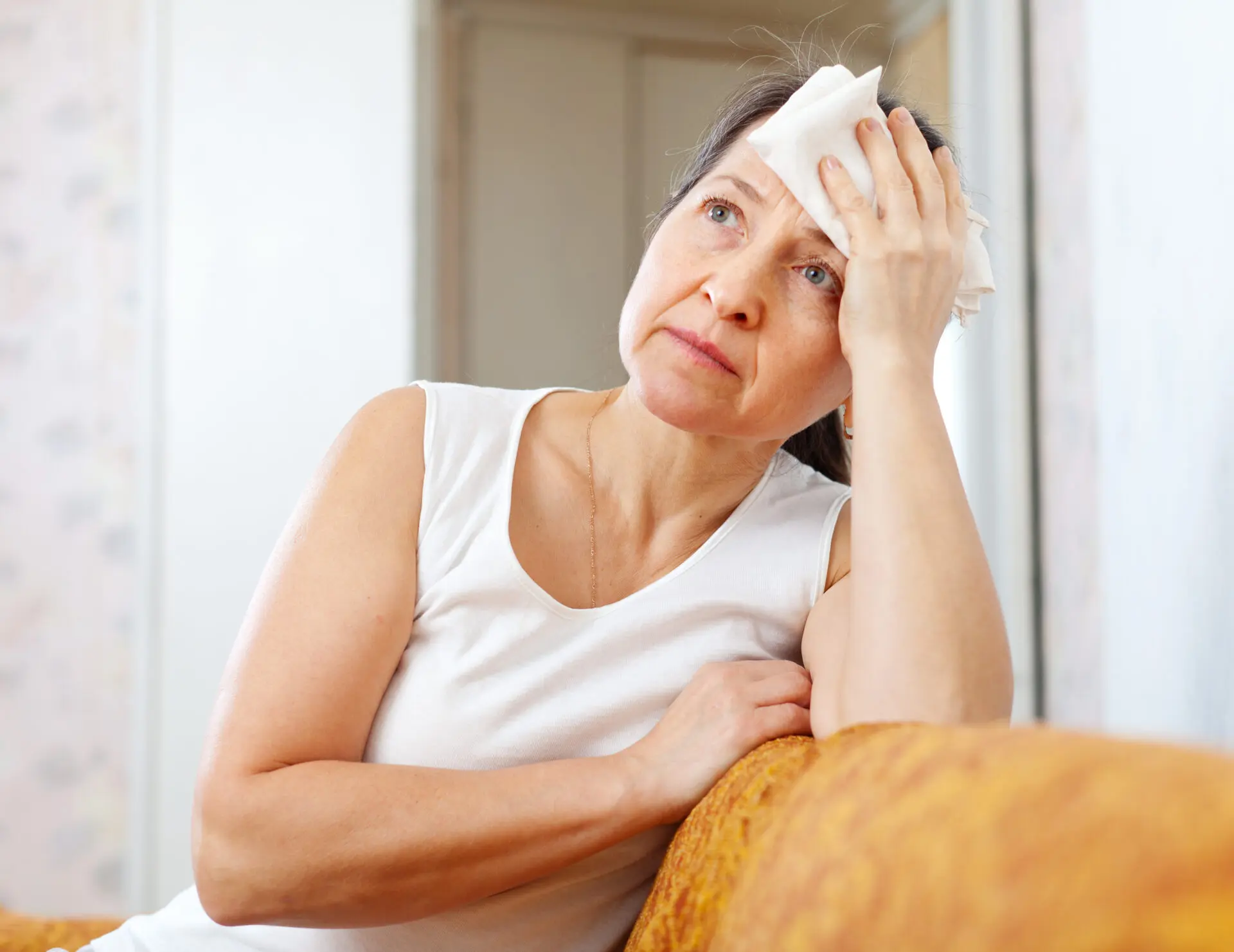
Hot flushes and night sweats are among the most recognised symptoms of menopause. While hydration does not eliminate these episodes, being well hydrated supports the body’s ability to regulate temperature more efficiently.
Dehydration can make hot flushes feel more intense and recovery slower, adding to overall discomfort. For women managing menopause symptoms in a warm climate like the Costa del Sol, this is particularly worth bearing in mind.
Quick Tip: Keep a glass of cold water within reach throughout the day. Sipping regularly, rather than drinking large amounts at once, helps your body maintain fluid balance more steadily and may take the edge off the intensity of hot flushes.
How Much Should You Be Drinking?
There is no single figure that suits everyone. Fluid needs vary depending on body size, activity levels, and climate. A practical starting point is to aim for around 1.5 to 2 litres of fluid per day as a baseline, adjusting upwards if you are active, spending time outdoors, or living somewhere warm.
Consistent intake throughout the day is more effective than drinking large quantities at once. A simple way to monitor your hydration is to observe your urine colour, which should be pale and straw-coloured rather than dark yellow.
It is also worth remembering that hydration is not just about plain water. Herbal teas, water-rich foods such as fruits and vegetables, and a balanced electrolyte intake all contribute to your overall fluid balance.
Practical Tips to Improve Your Hydration Habits
- Start your day with water. Rehydrating after sleep sets a strong foundation for the day ahead.
- Keep fluids visible and accessible. Having a water bottle nearby makes regular sipping far more likely.
- Pair drinking with routine habits. Drinking water with meals or after using the bathroom helps build a consistent pattern without extra effort.
- Be mindful of caffeine and alcohol. Both can contribute to fluid loss if consumed in excess.
- Do not rely solely on thirst. Build hydration into your daily routine rather than waiting until you feel thirsty.
Quick Tip: If plain water feels unappealing, try adding slices of lemon, cucumber, or fresh mint. Herbal teas such as chamomile or peppermint count fully towards your daily intake and may also support sleep and digestion.
A Simple Habit With a Meaningful Impact
Hydration is often underestimated, yet it plays a vital role in how you feel from day to day. During perimenopause and menopause, when the body is already adapting to significant hormonal changes, maintaining good fluid intake can support energy levels, cognitive function, and overall comfort.
If you are experiencing symptoms such as fatigue, dryness, or brain fog, it is worth considering whether your fluid intake could be part of the picture. Small, consistent changes in hydration habits can make a meaningful difference to your quality of life.
If you would like to discuss your symptoms or receive personalised guidance, our team at Costa Health is here to help.
Related reading
- Should You Be Taking Supplements?
- Struggling With Menopause in Spain?
- Menopause Case Study: I Thought I Was Just Burning Out
Frequently Asked Questions
How much water should I drink during perimenopause or menopause?
There is no one-size-fits-all answer, but most women benefit from around 1.5 to 2 litres of fluid per day as a baseline. This should be adjusted upwards depending on activity levels, individual needs, and climate. Living somewhere warm such as the Costa del Sol may mean your requirements are higher than standard guidance suggests.
Can dehydration make menopause symptoms worse?
Yes. Dehydration can exacerbate fatigue, headaches, brain fog, and dryness. It may also make hot flushes feel more intense and slow recovery between episodes.
Does coffee or tea count towards hydration?
Yes, moderate amounts of tea and coffee do contribute to your overall fluid intake. However, excessive caffeine can have a mild diuretic effect, so balance is important. Herbal teas are a particularly good option as they count fully towards hydration without the caffeine.
Why do I feel less thirsty than before?
Hormonal changes can affect thirst signals, meaning you may not feel thirsty even when your body needs fluids. This is why building consistent hydration habits into your daily routine is important, rather than relying on thirst as a prompt.
Are electrolytes necessary?
For most people, a balanced diet provides sufficient electrolytes. However, if you sweat heavily, exercise regularly, or live in a hot climate, additional electrolytes may be beneficial. If you are unsure, it is worth discussing this with your doctor.
What are the signs I am not drinking enough?
Common signs include dark urine, fatigue, headaches, dry skin, dizziness, and reduced concentration. Monitoring urine colour is one of the simplest ways to assess your hydration status. These symptoms can often improve noticeably with better fluid intake.
Should you be struggling with women’s health, perimenopause or menopause and need some advice you can book an appointment with Dr Delgado for a comprehensive women’s health consultation.