
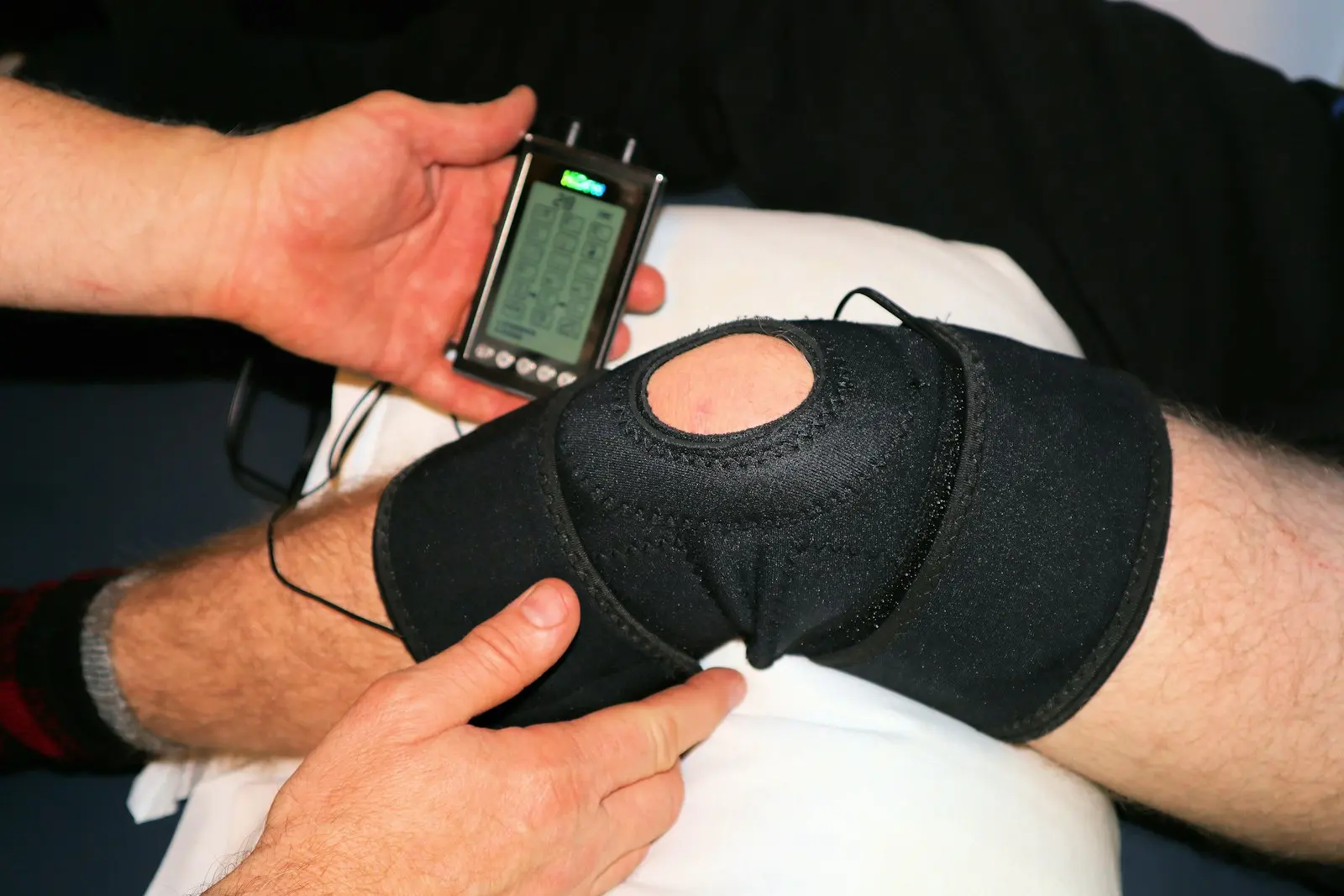
Knee pain during running or exercise is one of the most common issues Daniele Delicati sees at Costa Health. Many runners, gym-goers and active adults assume that knee pain means something is structurally wrong – but in the majority of cases, the knee is reacting to load, not damage.
As a physiotherapist specialising in knee conditions, Daniele sees this pattern daily. The good news is that almost all exercise-related knee pain can be resolved with the right rehabilitation and load management.
In this Ask the Expert article, Daniele explains why knee pain develops during running and exercise, the most common conditions he treats, how assessment works, and the evidence-based treatment approach used at Costa Health.
Why Does Knee Pain Develop During Exercise?
Most knee pain in active adults stems from a combination of factors rather than a single cause:
- Increased training load
- Reduced muscle strength
- Poor movement patterns
- Fatigue
- Limited mobility
- Sudden changes in training volume or intensity
The knee is designed to tolerate impact and high forces, but it relies heavily on the strength and control of the hips, quadriceps, hamstrings and calves. When those structures are not working optimally, the knee often bears the consequences.
Common Causes of Knee Pain When Running or Exercising
1. Patellofemoral Pain Syndrome (PFPS)
One of the most frequent causes of pain during running. It occurs when the kneecap does not glide smoothly due to muscle imbalance, overuse or poor movement control. Pain is typically felt at the front of the knee. You can read more about patellofemoral pain syndrome and runner’s knee on the Costa Health website.
2. Patellar Tendinopathy
Common in runners, football players and gym users. This is irritation of the patellar tendon caused by repetitive loading, poor landing control or sudden increases in activity.
3. Iliotibial Band (ITB) Syndrome
Pain on the outer side of the knee caused by tension in the ITB or weakness in the hip muscles. This is more common in long-distance runners.
4. Meniscus Irritation
Not necessarily a tear. Meniscus irritation often results from poor load management, stiffness in the hip or ankle, or reduced control during twisting movements.
5. Early Joint Irritation
Not arthritis in the traditional sense, but mild cartilage irritation caused by overload or poor movement mechanics. This is often very responsive to rehabilitation.
6. Weakness and Poor Movement Control
One of the biggest contributors to knee pain. Weak glutes, quadriceps or hamstrings force the knee to absorb more load than it should – and over time, this takes its toll.
Why Running Often Triggers Knee Symptoms
Running demands strength, stability, impact tolerance, good alignment, adequate mobility and efficient technique. When any one of these is reduced, pain tends to follow.
Most people develop symptoms because they:
- Increase distance too quickly
- Run too frequently without adequate recovery
- Lack strength in the supporting muscles
- Have restricted ankle or hip mobility
- Have poor control when landing or pushing off
Sudden changes – switching footwear, adding hills or joining a running group – can also trigger symptoms even in otherwise fit individuals.
Quick Tip: When building your running distance, a useful guideline is not to increase your weekly mileage by more than 10% at a time. This gives your tendons and joints adequate time to adapt to the new load.
How We Assess Exercise-Related Knee Pain at Costa Health
As a physiotherapist specialising in knee conditions, Daniele’s assessment always includes:
- Strength testing of the quadriceps, glutes and hamstrings
- Functional movement testing (squat, step, lunge)
- Running gait observation where required
- Hip and ankle mobility testing
- Tendon loading tests
- Balance and control testing
- Joint mobility assessment
Because the clinicians at Costa Health are trained in both manipulation techniques and physiotherapy-based rehabilitation, the assessment identifies both the mechanical and muscular contributors to pain – giving you a complete picture of what is driving your symptoms.
Why Strengthening Works So Well for Knee Pain
Almost all running-related knee pain is linked to reduced muscle capacity. Targeted strengthening works because it:
- Reduces load on irritated structures
- Improves control and alignment
- Builds tendon resilience
- Improves impact absorption
- Makes movement patterns more efficient
Runners and active adults make the biggest improvements when they commit to strength work, particularly in the hips and quadriceps.
Costa Health’s Treatment Approach for Knee Pain
1. Load Management
The first step is identifying what irritated the knee and adjusting your training temporarily. The goal is always to modify activity, not to stop it altogether.
2. Targeted Strengthening
Progressive strengthening of the quadriceps, glutes, hamstrings and calves is central to recovery. Progressive overload principles are used to build resilience safely over time.
3. Manual Therapy
Manipulation, mobilisation and soft-tissue therapy improve joint mechanics and help reduce overload on painful structures.
4. Mobility Work
Tight calves, stiff ankles and restricted hips are extremely common contributors to knee pain. Restoring mobility in these areas reduces the strain placed on the knee during activity.
5. Technique Coaching
Running technique, landing control and knee alignment during squats and lunges are all reviewed. Small adjustments can make a significant difference to both pain levels and long-term resilience.
Quick Tip: If your knee turns inward when you squat or land from a jump, this is a common sign of hip weakness. Strengthening the glutes can reduce this pattern and lower the stress placed on your knee joint considerably.
6. Shockwave Therapy
For stubborn tendinopathy that is slow to respond to exercise rehabilitation alone, shockwave therapy can be a highly effective addition to the treatment plan.
7. Progressive Return to Running
Daniele builds a structured return-to-run plan tailored to your goals, ensuring you return to activity with confidence and with the strength to reduce the risk of recurrence.
How Long Does Recovery Take?
Most patients see meaningful improvement within two to four weeks. Full recovery typically takes six to ten weeks, depending on the severity of the condition and consistency with rehabilitation exercises.
Early assessment leads to faster recovery. The longer a knee problem is left unaddressed, the more ingrained the compensatory patterns tend to become.
When to Book an Assessment
Do not wait to seek help if:
- Pain worsens during or after running
- Symptoms return every time you exercise
- The knee swells repeatedly
- You feel giving way or instability in the joint
- Pain lasts longer than one week
- You feel anxious about running or returning to training
Early assessment prevents acute irritation from becoming a chronic problem.
A Note from Daniele
Exercise-related knee pain can feel discouraging, especially when running or working out is a core part of your routine. But the vast majority of these issues are highly treatable. With the right strength plan, load management and movement retraining, almost all active adults can return to running – often stronger than before.
At Costa Health, our integrated team – trained in both manipulation and physiotherapy rehabilitation – ensures you receive a complete recovery plan tailored to your goals. Knee pain does not need to stop you doing what you love.
Frequently Asked Questions
Is it safe to keep running if my knee hurts?
It depends on the type and severity of the pain. In many cases, running can continue at a reduced intensity while rehabilitation is underway. A physiotherapist can advise on what level of activity is appropriate for your specific condition and help you manage load safely while you recover.
Do I need a scan or X-ray before seeing a physiotherapist?
No. In the majority of exercise-related knee pain cases, a scan is not required before starting physiotherapy. A thorough clinical assessment is usually sufficient to identify the cause of pain and begin treatment. If imaging is genuinely needed, your physiotherapist will advise you accordingly.
What is the difference between runner’s knee and patellar tendinopathy?
Runner’s knee (patellofemoral pain syndrome) involves pain around or behind the kneecap, often caused by poor patellar tracking. Patellar tendinopathy is irritation of the tendon just below the kneecap, typically felt as a localised ache after loading activities such as jumping or squatting. Both conditions are common and respond well to physiotherapy.
How long does physiotherapy for knee pain take?
Most patients notice significant improvement within two to four weeks. Full recovery from exercise-related knee pain typically takes six to ten weeks, though this varies depending on the severity of the condition and how consistently rehabilitation exercises are performed between appointments.
Can knee pain come back after treatment?
It can, particularly if the underlying causes – such as muscle weakness or poor training habits – are not fully addressed. The goal of physiotherapy at Costa Health is not simply to reduce pain but to build the strength and movement quality needed to prevent recurrence in the long term.