
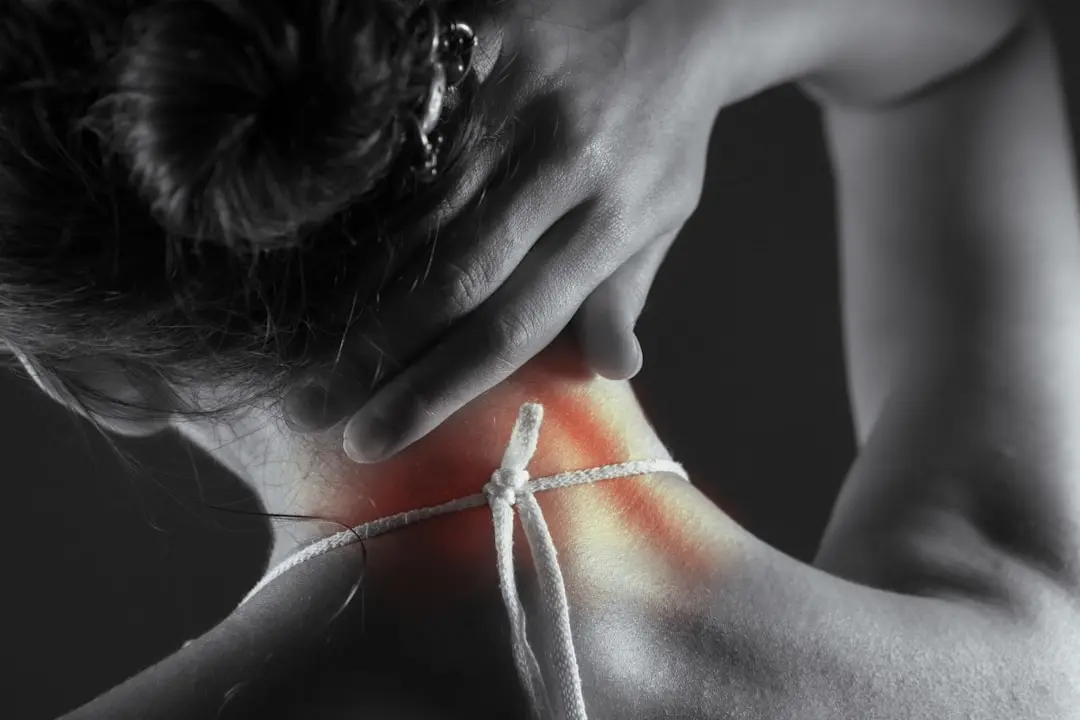
One of the most common questions we hear at Costa Health is: “How do I know if my pain is muscular, or if it’s coming from a joint?” This question comes up daily, especially when pain keeps returning despite rest, stretching, or massage.
Understanding the difference matters, because treating the wrong thing often leads to frustration and slow recovery.
Why This Distinction Matters
Muscle pain and joint-related pain behave differently. If the source is not identified correctly:
- Treatment may only provide short-term relief
- Symptoms may keep returning
- Rehabilitation can stall
Getting an accurate assessment early can save weeks of unnecessary discomfort and help you return to normal activity sooner.
Common Signs Your Pain Is Muscular
Muscle-dominant pain often:
- Feels dull, achy, or heavy
- Is sore to touch
- Improves temporarily with massage or heat
- Feels better once you warm up and start moving
- May be related to overuse, poor posture, or recent activity
Quick Tip: If your pain eases after a warm shower or gentle movement, it is more likely to be muscular in origin. However, this is not a definitive test, so seek professional advice if symptoms persist.
Common Signs Your Pain Is Coming From a Joint
Joint-related pain often:
- Feels stiff or restricted rather than tight
- Is worse after rest or first thing in the morning
- Improves with gentle movement throughout the day
- Feels sharp or localised during certain movements
- May be accompanied by clicking, catching, or a sensation of instability
What About Nerve or Disc-Related Pain?
Some pain does not fit neatly into either category and may indicate nerve involvement or a disc-related issue. Warning signs include:
- Pain that spreads or travels along a limb
- Tingling, pins and needles, or numbness
- Weakness in the arm or leg
- Pain that worsens with coughing, sneezing, or straining
These presentations require more careful assessment to rule out conditions that may need specific treatment approaches.
Why Self-Diagnosis Often Falls Short
Pain is complex. The body compensates, symptoms shift, and what feels like the problem may not be the true source. A painful lower back, for example, might actually stem from restricted hip joints or weakness in the core muscles.
Without a thorough assessment, you may end up treating symptoms rather than addressing the underlying cause.
How We Assess Pain at Costa Health
Our clinicians take a comprehensive approach, assessing:
- Movement quality and range
- Joint function and mobility
- Muscle strength, length, and control
- Pain behaviour and patterns
This allows us to identify whether pain is muscular, joint-related, or more complex, and guide you to the right care from the start.
Quick Tip: Keep a brief note of when your pain is better or worse, such as morning versus evening, after sitting versus walking. This information helps your clinician pinpoint the source more quickly.
Getting the Right Treatment
Muscle pain and joint pain may feel similar, but they need different approaches. Massage and stretching work well for many muscular issues, while joint problems often respond better to mobilisation, chiropractic adjustments, or specific rehabilitation exercises.
If pain keeps returning, it is often because the true source has not been identified yet. A proper assessment can break that cycle and set you on the path to lasting improvement.
Frequently Asked Questions
How can I tell if my pain is muscular or joint-related?
Muscle pain often feels achy and improves with warmth or massage. Joint pain is more commonly stiff, movement-specific, and worse after rest. However, the two often overlap, so a professional assessment provides the clearest answer.
Why does stretching sometimes make my pain worse?
If pain is joint or nerve-related, stretching can irritate symptoms rather than relieve them. Stretching is most effective for muscular tightness but may aggravate other conditions.
Should I rest completely if I am in pain?
Complete rest is rarely helpful long term. Gentle, appropriate movement usually aids recovery. The type of movement needed depends on the source of pain, which is why assessment matters.
Why does my pain move around?
Pain often shifts as the body compensates for restricted joints or weak muscles. Treating the original source usually helps resolve these secondary symptoms.
Do I need imaging like an MRI?
Most musculoskeletal pain does not require imaging. Clinical assessment and response to treatment are often more informative than scan results, which can show changes unrelated to your symptoms.
Can massage fix joint pain?
Massage can help relieve surrounding muscle tension but may not resolve joint-related issues on its own. Joint problems often require mobilisation, manipulation, or targeted exercises.
Who should I see if I am unsure?
You do not need to decide before booking. At Costa Health, we assess your condition and guide you to the most appropriate clinician, whether that is a chiropractor, physiotherapist, or sports massage therapist.